
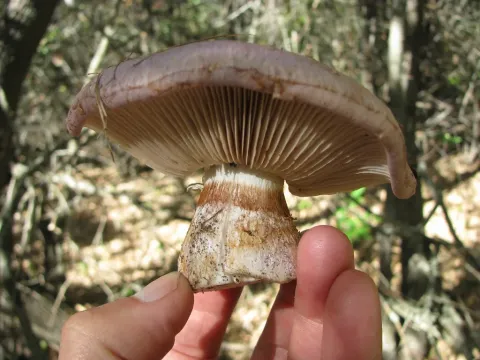
Cortinarius balteatus
Cortinarius balteatus
Cortinarius balteatus is a species of mushroom in the family Cortinariaceae. Biologically, it functions as an ectomycorrhizal fungus, forming symbiotic relationships with the root systems of various tree species.
What the section contains
Cortinarius balteatus
It is not a plant pathogen; rather, it is a beneficial component of forest soils. It contributes to nutrient exchange, particularly phosphorus and nitrogen, between the soil and the host trees.
The fungus produces fleshy fruit bodies with a distinct, often violet-tinged margin on the cap. The presence of a cobweb-like veil (cortina) is the primary morphological identifier for this genus.
The mycelial network expands through the topsoil, surrounding fine root tips. This association is crucial for the survival and growth of coniferous and deciduous forest species.
In agricultural settings, particularly in nurseries, understanding that this organism is a symbiont rather than a pest is essential for correct soil management and plant care.
Cortinarius balteatus thrives in environments where host trees are present. It requires acidic to neutral soil conditions with a stable moisture level to maintain its mycelial network.
The development of fruit bodies is highly dependent on seasonal weather patterns, typically occurring in late summer and autumn following high precipitation events.
Temperature range is critical, with optimal growth occurring between 12°C and 18°C. Extreme temperature fluctuations can inhibit the formation of the mushroom's reproductive structures.
Soil aeration plays a significant role in the health of the fungal colony. Compacted or waterlogged soils are detrimental to the symbiotic balance between the fungus and host plants.
Spore dispersal occurs primarily via wind. Given the right environmental conditions, the fungus can colonize new areas if sufficient organic matter and host roots are available.
This species poses no direct threat to agricultural production. It does not cause root rot, vascular wilting, or tissue necrosis in non-forest crops.
Potential issues may arise in specialized nurseries if soil conditions are poorly managed, leading to excessive fungal growth that might compete with fragile seedlings for nutrients.
The main concern for growers is the potential misidentification of the mushroom as a pathogen, leading to the unnecessary use of fungicides, which can harm beneficial soil microfauna.
Alterations in soil pH caused by high densities of mycorrhizal fungi could theoretically impact the uptake of micronutrients in sensitive, non-symbiotic plant species.
Overall, Cortinarius balteatus should be considered an ecological indicator of healthy forest soil rather than a harmful agricultural weed or disease agent.
No specific eradication program is necessary for Cortinarius balteatus. Management should focus on maintaining optimal soil health for the cultivated plants.
If its presence is undesirable in a seedling tray or specific nursery plot, improving soil drainage will naturally reduce the environment's suitability for fungal proliferation.
Sanitation practices, such as removing fruit bodies before they mature, can limit spore density in the immediate area without the need for chemical intervention.
Incorporating beneficial biological control agents, such as Trichoderma species, helps promote a balanced microbial soil community and prevents the dominance of any single fungal type.
Always conduct soil testing to ensure nutrient levels are balanced, as healthy plants are more resilient and effectively manage their mycorrhizal associations under normal conditions.