
Cortinarius caerulescens
Cortinarius caerulescens
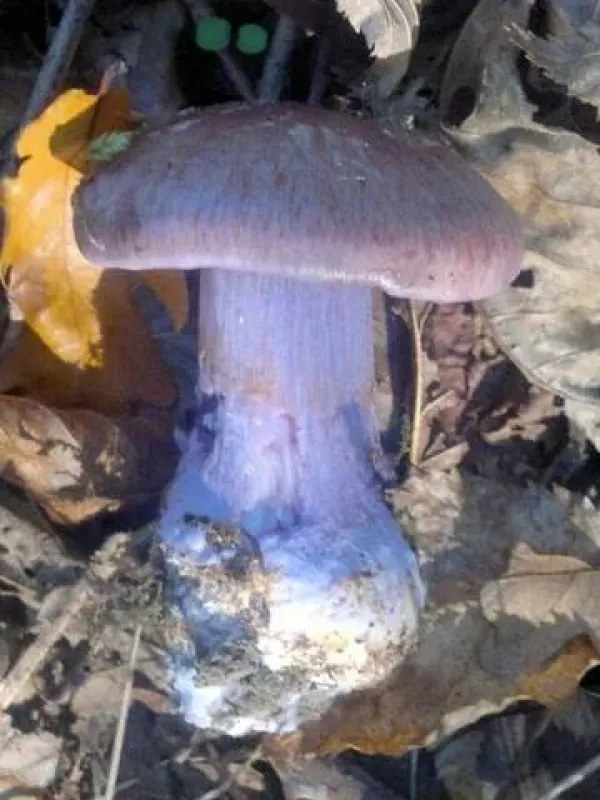
Description
Pathogen
Cortinarius caerulescens, commonly known as the resilient blue-capped webcap, is not a plant pathogen. It is a macro-fungus classified within the Cortinariaceae family and has no impact on agricultural crops.
The fungus is strictly mycorrhizal, meaning it forms a beneficial symbiotic relationship with the roots of specific tree species, particularly broad-leaved trees like beech and oak.
It does not cause plant diseases, decays, or wilting. Instead, it facilitates nutrient exchange, helping host trees absorb minerals from the soil in forest environments.
From an agronomic perspective, this fungus is completely benign. It does not possess any properties that would cause economic harm to commercial farming or cultivation.
The fungus is a vital component of the woodland ecosystem, contributing to soil health and the overall vitality of forest stands rather than acting as a disease agent.
Conditions for development
The growth of Cortinarius caerulescens is entirely dependent on its proximity to host trees and the presence of specific soil conditions, such as calcareous substrates.
The fungus develops its fruiting bodies during late summer and autumn, requiring moist, cool conditions typical of stable, mature forest floors.
It cannot survive in tilled, managed agricultural lands because it relies on established, undisturbed mycorrhizal networks connected to tree root systems.
The species is highly susceptible to chemical fertilizers and pesticides, which disrupt the delicate symbiotic relationships necessary for its survival.
No protection measures are needed. In forestry management, the presence of such fungi is often viewed as a positive sign of a healthy, biodiverse soil environment.
Discussion
No discussions yet — be the first.