
Cortinarius paleaceus
Cortinarius paleaceus
Description
Pathogen
Cortinarius paleaceus is a species of fungus in the Cortinariaceae family. It is not considered a plant pathogen, as it does not cause diseases in agricultural crops.
The fungus typically grows in coniferous or mixed forests, acting as a saprotroph that decomposes organic matter or as a mycorrhizal partner to various tree species.
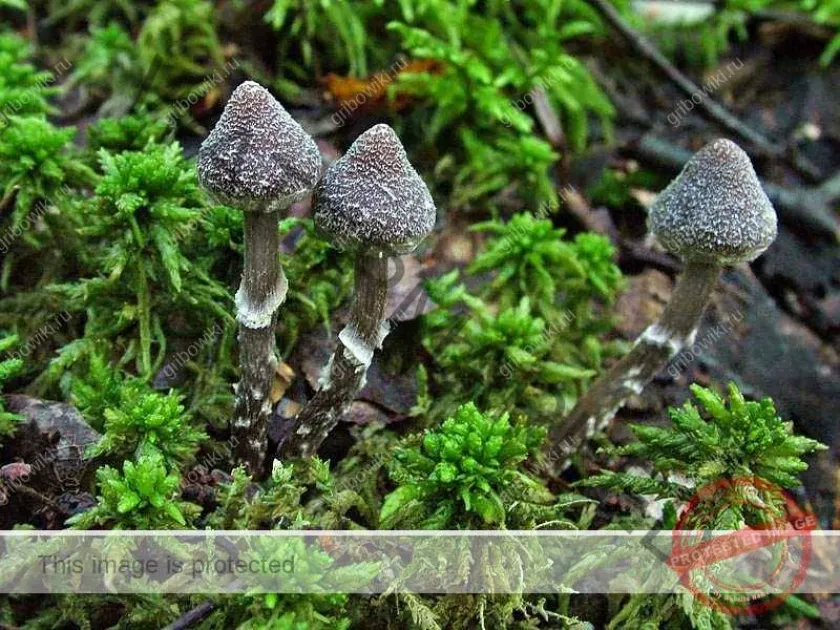
The fruiting body features a conical or bell-shaped cap, usually 2–5 cm in diameter, covered with small, fibrous scales that give it a scruffy appearance.
A distinctive feature of this species is the cortina, a web-like veil that protects the gills when the mushroom is young and later leaves rusty-brown spores on the stem.
Biologically, it is a significant decomposer in forest ecosystems, contributing to nutrient cycling by breaking down woody debris and leaf litter.
Conditions for development
Optimal development occurs in environments with high humidity and moderate temperatures, typically ranging from 12°C to 18°C during the growing season.
The fungus prefers acidic, moist soils rich in organic matter. It is most commonly found in shaded areas where soil moisture remains consistent throughout the summer and autumn.
Dissemination is achieved through airborne spores. When conditions are favorable, these spores land on moist substrates and germinate to form a new mycelial network.
Human activities that alter forest structures or soil drainage can significantly influence the presence and density of the fungal population.
The species is highly sensitive to desiccation and will typically cease the production of fruiting bodies during periods of drought.
Why it matters
There is no evidence of harm to agricultural crops caused by Cortinarius paleaceus. It does not infect living plant tissues or damage field produce.
However, its presence in large quantities can indicate soil drainage issues, as the species thrives in water-logged or excessively damp environments.
Since some species in the Cortinarius genus contain toxic compounds, they are generally avoided for human consumption and managed to prevent accidental ingestion by livestock.
In forestry, the species is generally viewed as beneficial due to its role in the decomposition of biological waste, which contributes to soil enrichment.
No economic thresholds for management have been established, as the organism poses no threat to industrial-scale farming operations.
Protection
No specific control measures are required, given that the fungus does not cause plant diseases. Good agricultural practices are sufficient to manage its presence.
Improving soil aeration and drainage is the most effective way to modify the environment to be less favorable for fungal colonization.
Regular cultivation of the soil and the removal of excess organic debris can reduce the substrate available for the mycelium to establish.
While fungicides could technically kill the mycelium, such measures are economically unjustified and environmentally unnecessary for this non-pathogenic species.
Management should focus on maintaining healthy soil structure and preventing excessive moisture buildup in the field or near forest margins.
Discussion
No discussions yet — be the first.