
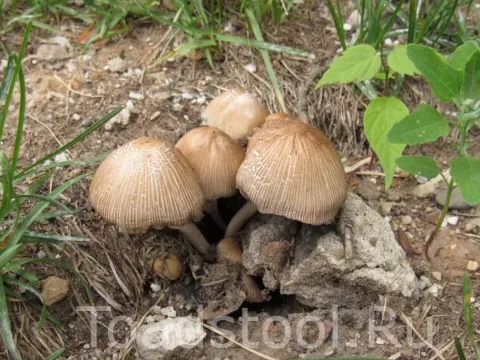
Coprinellus truncorum
Coprinellus truncorum
Coprinellus truncorum is a species of saprotrophic fungus belonging to the Psathyrellaceae family. It is strictly a decomposer of organic matter and is not considered a plant pathogen that attacks living crops.
What the section contains
Coprinellus truncorum
The fungus plays a significant role in the breakdown of lignocellulosic materials such as wood debris and decaying plant matter in the soil. It acts as an essential agent in the nutrient cycle, converting complex organic matter into bioavailable forms for plants.
Unlike parasitic fungi that invade healthy root systems or vascular tissues, this organism thrives solely in environments where dead organic material is abundant. It lacks the biological machinery to penetrate the defenses of living, healthy crops.
The confusion regarding its status as a disease often stems from its appearance on weak, dying plants. However, the fungus is not the cause of the death of the plant; it merely colonizes the organic tissue after the plant has been weakened by other factors.
In agronomy, the presence of this fungus is often interpreted as a bio-indicator of high organic content and moisture levels in the soil, rather than a symptom of an infectious agricultural disease.
The fruiting bodies of Coprinellus truncorum appear primarily under conditions of high humidity and sufficient moisture in the soil. They are commonly observed during or shortly after heavy rainfall periods.
The fungus prefers temperatures between +15 and +25 degrees Celsius. It is frequently associated with soil rich in decaying wood, fresh mulch, or poorly composted manure that has been recently incorporated into the growing area.
The growth cycle of the fruiting bodies is extremely rapid. Once they mature, the gills undergo autodigestion, turning into a characteristic black, ink-like fluid, which helps in the dispersal of spores throughout the surrounding area.
In greenhouses or nursery settings, these mushrooms may emerge due to stagnant air and excessive irrigation. Their appearance is a response to the environment rather than a sign of a pathogen infecting the crop itself.
Proper drainage and increasing soil aeration are the most effective environmental controls to discourage the growth of the fungal mycelium in commercial agricultural settings.
There is no direct harm caused to crops by Coprinellus truncorum. It does not infect or damage living plant tissues, making it harmless to the productivity and health of agricultural plantings.
Indirect harm is negligible. The presence of these fungi might indicate that the soil is overly moist, which could lead to environmental conditions that favor the development of actual root rot pathogens like Phytophthora or Pythium.
Indiscriminate use of fungicides to treat this fungus is counterproductive. It disrupts the beneficial microbial community of the soil and adds unnecessary chemical costs without providing any protection against crop diseases.
In aesthetic settings like landscaping or turf management, the presence of these fungi may be considered a nuisance, but they do not pose any functional risk to the plants or the ecosystem.
Ultimately, this fungus serves as a natural scavenger, helping to clear out plant debris, thereby contributing to the biological cleanup and long-term fertility of the soil environment.
Because Coprinellus truncorum is not a pathogen, specific control measures are unnecessary. Agronomic management should focus on good agricultural practices rather than eradication.
Cleaning up excess wood debris, tree stumps, and old plant residue from the field helps remove the primary food sources for the fungus, effectively limiting its proliferation in the area.
Ensuring that compost is fully matured before application prevents the introduction of fungal mycelium into the crop rows. Proper composting eliminates the conditions that this species finds favorable.
Regulating irrigation to prevent waterlogging is a standard best practice that inherently manages the growth of most saprotrophic fungi. Maintaining adequate soil oxygen levels prevents the anaerobic pockets that favor these species.
Manual removal of fruiting bodies is sufficient if visual presence is undesired. Farmers should prioritize monitoring for genuine pathogens that threaten crop yield rather than focusing efforts on this benign decomposer.