
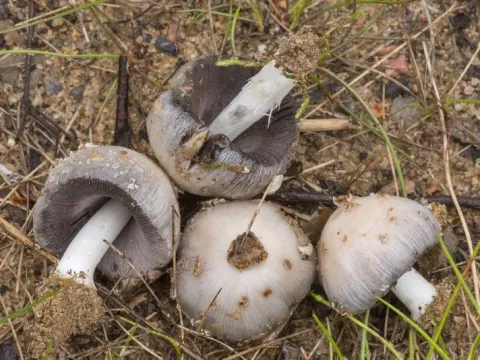
Coprinopsis episcopalis
Coprinopsis episcopalis
Coprinopsis episcopalis is a basidiomycete fungus belonging to the Psathyrellaceae family. While primarily recognized as a saprotrophic species, it can occasionally act as a facultative parasite on plants that are already weakened or stressed.
What the section contains
Coprinopsis episcopalis
The fungus is characterized by small, ephemeral fruiting bodies that typically appear in moist conditions and disintegrate shortly after releasing spores. This rapid life cycle makes early detection challenging in field settings.
Dissemination occurs primarily through spores, which are easily transported by wind, rain splashes, or contaminated agricultural tools used during field operations or harvesting.
The fungal mycelium persists within soil rich in organic matter and decaying plant debris. It acts as an opportunistic colonizer that thrives in substrates where traditional nutrient cycling has been disrupted.
Biologically, the fungus utilizes specialized enzymes to break down lignin and cellulose. When it contacts root systems or stem bases of susceptible hosts, this enzymatic activity causes tissue degradation and compromises the plant's structural integrity.
The development of Coprinopsis episcopalis is heavily reliant on high moisture levels and poor soil aeration. Stagnant water and compacted soil create an ideal environment for spore germination and mycelial expansion.
Nutrient-rich environments, particularly those containing uncomposted organic matter like fresh manure or straw, provide the necessary substrate for the fungus to establish a strong colony near the root zone of host plants.
High humidity and mild temperatures ranging from 18 to 24°C are optimal for the growth of this pathogen. Frequent rainfall or heavy dew contributes significantly to the spread of the disease within a plantation.
Lack of proper field sanitation, including leaving crop residues on the soil surface, facilitates the overwintering or survival of the fungus, leading to a high infection potential in subsequent growing seasons.
Overcrowded plantings that lack adequate sunlight and airflow suffer more from moisture accumulation, which directly correlates with higher incidences of fungal infections involving Coprinopsis species.
The primary harmful effect is the suppression of plant vigor. By damaging the root system, the fungus interferes with water and nutrient uptake, leading to visible chlorosis, stunted growth, and eventual wilting.
In addition to direct damage, the fungus facilitates the entry of secondary pathogens, such as soft-rot bacteria, which exploit the weakened plant tissues, leading to rapid necrosis and death of the plant.
Crop quality and yield are significantly reduced, as the energy that should be allocated to fruit or flower development is instead diverted to the plant's struggle to overcome the fungal infection.
In greenhouses or nurseries, where environments are controlled, this pathogen can cause localized outbreaks that result in the loss of entire batches of seedlings or cuttings due to the high density of host plants.
Economic damage is twofold: the loss of marketable yield and the increased costs associated with remedial treatments, soil decontamination, and labor required to manage the affected areas.
Preventive measures are the most effective way to manage the risk. Proper field hygiene, including the removal of debris and the use of well-composted amendments, is essential to minimize the fungal reservoir.
Improving soil structure through aeration and ensuring proper drainage helps prevent the moist conditions favored by the fungus. Avoiding excessive moisture in the root zone is a critical cultural control practice.
If infection is detected, affected plants should be carefully removed, including the surrounding soil, to limit the spread of spores. Tools must be thoroughly disinfected after contact with infected material.
Chemical control involving broad-spectrum fungicides can be effective if applied early in the infection cycle. Soil treatments with fungicides can help mitigate the fungal load in the growing medium.
- Implement strict crop rotation schedules.
- Maintain adequate spacing between plants to improve airflow.
- Use biological controls such as Trichoderma-based products to suppress fungal activity.
- Regularly monitor the root zones for symptoms of decay or fungal growth.