
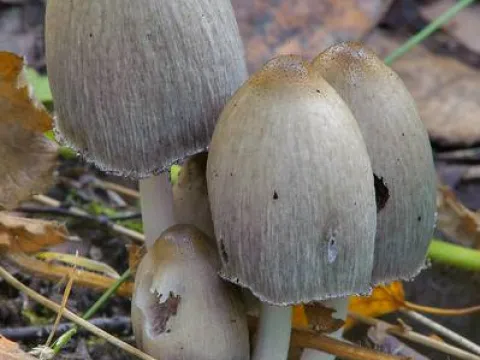
Coprinopsis acuminata
Coprinopsis acuminata
Coprinopsis acuminata is a species of mushroom in the Psathyrellaceae family. In agronomy, it is classified as a saprotrophic organism that thrives on decaying organic matter rather than a parasite affecting living agricultural crops.
What the section contains
Coprinopsis acuminata
The mycelium of this fungus develops in topsoil layers rich in organic debris or decomposing vegetable matter. Its primary ecological role is the mineralization of complex organic compounds into nutrients.
It does not attack living plant tissues directly, although its presence is a clear indicator of high humidity and the accumulation of non-decomposed organic material in the soil profile.
Spores are dispersed by wind and water droplets. Once they land on a substrate rich in nitrogen and organic matter, they begin to germinate under specific environmental conditions.
The life cycle of this fungus is intrinsically linked to cellulose degradation, making it a common sight in areas with fresh manure, straw, or poorly processed compost.
The development of Coprinopsis acuminata fruiting bodies is most prevalent during periods of high atmospheric humidity and moderate temperatures. It prefers soil with an abundance of partially decomposed organic content.
Poor soil aeration and constant moisture retention are the primary environmental drivers. This makes greenhouses with inadequate ventilation a prime location for its appearance.
Optimal temperatures for the fungus range from +15 to +22 degrees Celsius. It responds quickly to fluctuations in water content within the substrate.
The use of non-sterilized or poorly prepared potting mixes often serves as the entry point for the fungus in commercial or home gardening setups.
Absence of proper soil tillage and cultivation allows the fungal mat to stabilize and persist in the surface layers of the soil.
There is no direct damage to crops caused by Coprinopsis acuminata, as it is not a phytopathogen. However, its massive growth can create competition for essential nutrients with young, sensitive seedlings.
The primary concern is the physical obstruction of soil surfaces, which can impede water penetration and root development for seedlings in greenhouses or nurseries.
Indirect harm is associated with the nitrogen-locking process, where the fungus consumes soil nitrogen for its rapid growth, potentially causing temporary nutrient deficiencies in nearby plants.
The presence of this fungus is a diagnostic sign of an imbalanced microclimate. High humidity, while fostering the fungus, also encourages the development of other, more dangerous plant pathogens.
Furthermore, dense patches of mycelium can alter the local soil structure, leading to compaction and reduced oxygen availability at the rhizosphere level.
Effective management focuses on optimizing the microclimate: improving air circulation in greenhouses and establishing consistent watering schedules to avoid prolonged saturation.
The use of fully decomposed compost is essential to deprive the fungus of its primary food source. Avoid adding raw organic materials directly to the root zone of crops.
Recommended prevention and control measures include:
- Regular loosening of the topsoil to enhance aeration.
- Proper drainage implementation to prevent standing water.
- Use of pasteurized or sterile soil substrates for seedlings.
- Crop rotation to maintain a balanced soil microbial community.
Applying beneficial microbial inoculants can help outcompete saprophytic fungi and restore soil balance. Physical removal of mushrooms is only a temporary solution.
Maintaining a clean growing area and promptly removing unnecessary plant waste will significantly lower the chances of Coprinopsis acuminata establishment.