
Coprinellus
Coprinellus
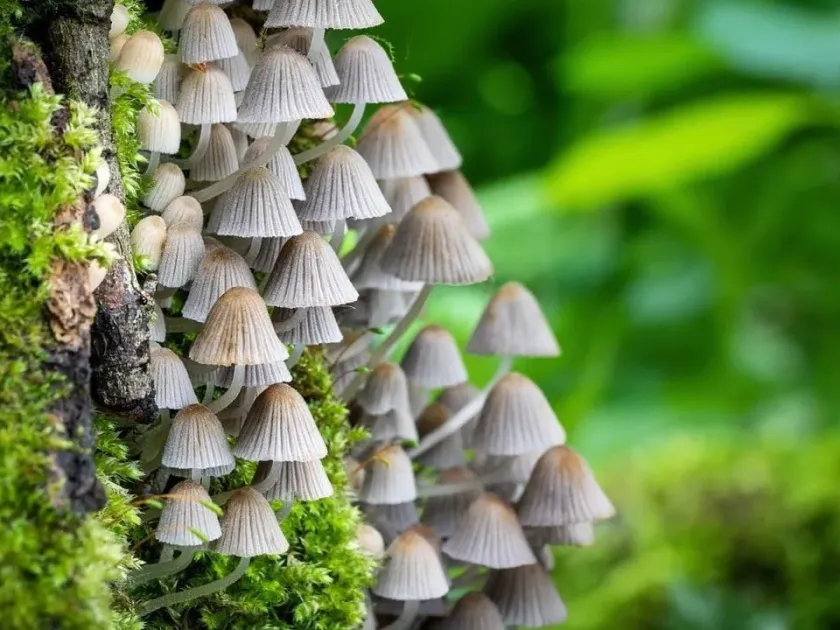
Description
Pathogen
The genus Coprinellus belongs to the Psathyrellaceae family and represents a group of saprophytic fungi. Although they primarily act as organic decomposers, their presence in greenhouse or mushroom cultivation environments is often seen as a sign of microbial imbalance.
These fungi propagate via spores, which are spread by air currents or contaminated substrates. They are not obligate parasites, but their appearance indicates excessive moisture and the presence of rotting wood or plant debris.
Their life cycle includes the rapid formation of fruiting bodies, known for their ability to undergo autolysis. In enclosed agricultural environments, the mycelium can compete with crops for essential nutrients.
In industrial mushroom cultivation, Coprinellus is classified as a competitor fungus. Its development usually points to poor substrate pasteurization or errors in the fermentation process.
The biological activity of these fungi is often accompanied by the release of specific metabolites that can inhibit the growth of crop mycelium or the development of vegetable root systems.
Conditions for development
The primary factor for their development is high substrate or soil moisture, exceeding 70-80 percent. These fungi thrive at moderate temperatures ranging from +18 to +25 degrees Celsius.
The presence of undecomposed or insufficiently treated organic matter, such as straw, wood chips, or sawdust, provides an ideal nutritional base. Lack of proper ventilation in greenhouses facilitates spore accumulation.
An improper pH balance in the substrate is another critical condition. Acidic environments combined with an excess of nitrogenous compounds often trigger Coprinellus population spikes.
Lack of sterility during soil preparation in greenhouses is a frequent cause of infestation. Spores can remain viable in unfavorable conditions for a prolonged period.
Insufficient lighting combined with stagnant humid air creates a microclimate that encourages mycelial growth and the subsequent formation of fruiting bodies.
Why it matters
The main damage is caused by the competitive consumption of nutrients within the substrate. In mushroom farming, this can reduce the yield of the target crop by 30-50 percent.
During mass development, Coprinellus mycelium mechanically compacts the substrate, which impairs the aeration of the root system of agricultural crops.
During their life cycle, these fungi secrete enzymes that can cause localized rot spots upon contact with roots or weakened plant tissues.
The aesthetic and sanitary damage manifests in the spoilage of the marketable quality of greenhouse-grown products due to contamination by unwanted microflora.
Products of autolysis from the fruiting bodies can contaminate the soil surface, creating favorable conditions for secondary infection by bacterial rots.
Protection
Prevention begins with effective thermal treatment of the substrate or soil. It is recommended to perform pasteurization at temperatures no lower than +65 degrees for several hours.
Establishing an efficient ventilation system is necessary to reduce air humidity levels. Regular loosening of the substrate surface helps prevent moisture stagnation and spore growth.
It is important to control the acidity of the substrate, maintaining optimal levels through the application of soil amendments like dolomite flour or lime.
Upon detection of the first fruiting bodies, they should be immediately removed along with the surrounding layer of substrate to prevent further spore distribution.
- Application of broad-spectrum fungicides if necessary.
- Adherence to crop rotation rules and soil sanitation practices.
- Removal of all plant debris after the growing season.
Discussion
No discussions yet — be the first.