
Chlorosplenium
Chlorosplenium
The primary symptom of Chlorosplenium infection is an intense and distinctive blue-green coloration of the wood fibers. This discoloration often penetrates deep into the grain of the infected timber.
What the section contains
Chlorosplenium
Unlike surface molds, the pigment produced by this fungus is permanent and embedded within the cellulose structure. It creates a vibrant emerald or turquoise appearance that is highly characteristic of the infection.
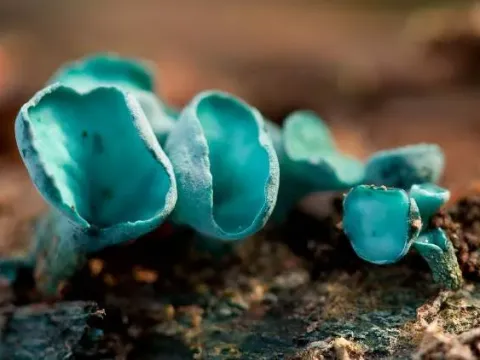
The fungal fruit bodies appear as tiny, disc-shaped or cup-shaped structures of bright green color. They emerge from the surface of heavily decayed or damp wood, typically in humid forest environments.
At early stages, the wood may appear healthy from the outside, but cross-cutting reveals the internal green stain. This makes early detection difficult without direct inspection of the inner timber layers.
In advanced cases, the wood structure becomes noticeably soft and fragile. The mechanical properties are severely compromised, leading to a loss of structural integrity as the fungus decomposes the woody tissues.
The disease is caused by fungi of the genus Chlorosplenium, with the most well-known species being Chlorosplenium aeruginosum, commonly referred to as the green elfcup.
This pathogen acts as a wood-decay saprotroph that targets deciduous species, such as oak, beech, and birch. It is classified as an ascomycete fungus that thrives in damp, cool environments.
The fungus produces a specific secondary metabolite called xylindein. This chemical pigment is responsible for the intense green color of the wood and acts as a potent antimicrobial agent against other competing fungi.
The life cycle involves the production of spores that are disseminated via wind or insects. Upon landing on moist organic matter, the spores germinate, and the mycelium begins to colonize the xylem vessels and medullary rays.
While the fungus is a vital part of the natural forest ecosystem, assisting in the recycling of deadwood, it is considered a problematic organism in the timber industry due to its staining properties.
The development of Chlorosplenium is strictly dependent on high moisture levels. A wood moisture content exceeding 40% is ideal for the rapid colonization and spread of the fungal mycelium.
The fungus prefers temperate climates with consistent humidity. It does not thrive in dry or extremely cold conditions, making proper storage in well-ventilated areas the primary defense against infection.
Wood that is in direct contact with the ground or stored in unventilated stacks is at the highest risk. Stagnant air and poor drainage allow moisture to accumulate, creating perfect conditions for spore germination.
Mechanical damage, such as cracks in the timber or bark removal, provides easy entry points for fungal spores. These openings allow the hyphae to bypass natural barriers and penetrate deep into the sapwood.
Prolonged wet weather conditions during the logging and seasoning process can lead to significant outbreaks, especially if the logs are not processed or dried immediately after felling.
The most significant harm is the aesthetic devaluation of the timber. Wood stained with green pigment is often rejected by high-end furniture manufacturers and for structural applications where a uniform finish is required.
Beyond the discoloration, the fungal activity results in the enzymatic degradation of the wood structure. This leads to reduced density, making the material weaker and unsuitable for load-bearing construction.
The infected wood poses significant challenges for finishing. Paints, stains, and varnishes often fail to adhere properly to the surface, and the residual moisture can lead to peeling and blistering of protective layers.
Carpentry and woodworking are hampered by the weakened structure of the wood, which fails to hold fasteners securely. This increases the risk of mechanical failure in finished joints and structures.
Economic losses are substantial for logging companies and sawmills, as large quantities of timber can be rendered low-grade or classified as waste due to the presence of green staining.
Effective control starts with rapid seasoning. Drying timber to a moisture content below 20% effectively halts the growth of Chlorosplenium and prevents the formation of the green pigment.
Proper stacking practices are essential for prevention. Using stickers to maintain spacing between layers of lumber ensures adequate airflow, which prevents the build-up of moisture and potential fungal hotspots.
Applying industrial-grade wood preservatives and fungicides can protect timber surfaces during storage and transport. These treatments are particularly useful for protecting logs exposed to the elements.
Maintaining sanitary conditions in sawmills and storage yards is crucial. Removing rotting wood and debris reduces the local spore population, significantly decreasing the risk of cross-contamination.
Regular inspection of inventory allows for early identification of localized infections. Promptly separating and drying or discarding affected timber helps to minimize the overall impact on stored stock.