
Chlorosis (chlorophyll deficiency)
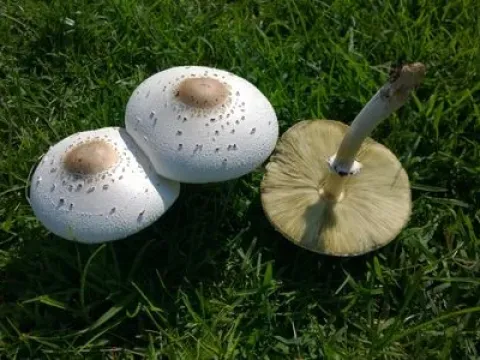
Chlorophyllum
The primary symptom of chlorosis is the loss of the natural green pigment in leaves, turning them pale green, yellow, or in severe cases, almost white.
What the section contains
Chlorosis (chlorophyll deficiency)
In most types of chlorosis, the leaf veins remain green, creating a distinct and recognizable net-like pattern across the leaf surface.
In advanced stages, leaf edges may turn brown, dry out, curl, and fall off, which indicates progressive tissue necrosis and plant stress.
Stunted shoot growth is a common outcome, with new leaves appearing smaller and deformed compared to those of healthy, well-nourished plants.
The overall vigor of the plant decreases significantly, affecting both the aesthetic appeal of ornamental species and the yield potential of crops.
Chlorosis is not caused by a specific pathogen in the traditional sense; it is a physiological disorder related to the inhibition of chlorophyll synthesis.
The most common cause is a deficiency in essential nutrients, primarily iron, magnesium, zinc, or nitrogen, which are vital for chloroplast formation.
Root damage caused by soil-borne pests, nematodes, or fungal root rots can prevent the plant from absorbing the necessary minerals from the soil.
Waterlogged soil conditions restrict oxygen availability to the roots, leading to metabolic failure that manifests as systemic chlorosis.
Viral and phytoplasma infections can interfere with the plant's internal metabolism, leading to persistent chlorotic symptoms that cannot be fixed by fertilization alone.
High soil pH (alkaline soil) is a major driver of chlorosis, as it locks up essential micronutrients, making them unavailable for uptake by the root system.
Extreme weather conditions, such as sudden temperature drops or prolonged periods of excess rain, can induce physiological stress and nutrient uptake blocks.
The use of hard water for irrigation increases soil alkalinity over time, leading to carbonate-induced chlorosis, especially in susceptible species.
An imbalance in fertilization practices, where an excess of one nutrient prevents the absorption of another, often leads to chlorotic states.
Poor lighting conditions, particularly in greenhouse environments, reduce the rate of photosynthesis and make chlorosis symptoms more prominent.
The primary harm lies in the drastic reduction of photosynthetic activity, which starves the plant of the energy required for growth and reproduction.
Chlorotic plants have a weakened immune system, making them significantly more susceptible to opportunistic fungal diseases and various insect pests.
Chronic chlorosis leads to reduced crop yield, poor fruit quality, lower sugar content, and overall loss of commercial value for agricultural produce.
In perennial crops, long-term chlorosis reduces cold hardiness, often leading to significant damage or plant loss during the winter months.
If not addressed in a timely manner, the cumulative stress leads to the total decline and death of the plant, causing economic losses for the farmer.
Conducting soil and tissue analysis is the essential first step to accurately identify which specific nutrient or condition is causing the chlorosis.
Foliar application of chelated micronutrients provides a rapid "first aid" for the plant, as these nutrients are absorbed directly into the leaf tissues.
Adjusting soil pH through amendments like sulfur or gypsum can help release bound nutrients, making them accessible to the plant roots again.
- Improving soil structure with organic matter to enhance drainage.
- Implementing drip irrigation to maintain consistent soil moisture.
- Using high-quality fertilizers tailored to the specific crop needs.
- Managing pests and diseases that compromise root system health.
Effective prevention involves regular crop scouting, balanced nutrient management, and protecting the plant from environmental and biological stressors.