
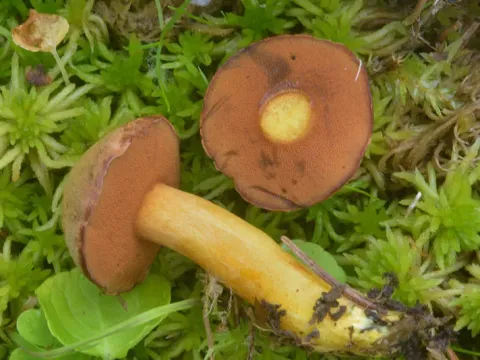
Chalciporus
Chalciporus
The genus Chalciporus belongs to the Boletaceae family and is generally considered a woodland fungus rather than an agricultural plant pathogen.
What the section contains
Chalciporus
The mycelium acts as a saprotroph or a weak parasite, often interacting with the root systems of forest trees rather than affecting cultivated crops.
Unlike true agricultural pathogens, Chalciporus species do not cause systemic diseases in vegetables, fruits, or cereals under normal growing conditions.
Its biological impact is primarily confined to forest floor dynamics, where it competes for carbon resources with other soil-dwelling fungi.
In terms of agricultural pathology, this object is considered harmless to industrial crops and does not require active disease management strategies.
Chalciporus species thrive in acidic forest soils, typically enriched with decomposing organic matter and leaf litter.
Optimal development occurs during periods of high humidity and moderate temperatures, often peaking in the autumn season.
The presence of symbiotic tree roots and specific soil moisture levels are critical factors for the emergence of fruiting bodies.
Soil structure, specifically the presence of loose, well-aerated organic material, favors the expansion of its mycelial network.
Changes in soil chemistry, such as high levels of nitrogen fertilization or liming, are known to suppress the growth of these forest fungi.
There is no recorded significant harm caused by Chalciporus to agricultural production or commercial crop health.
The genus does not produce toxins that inhibit plant growth or cause necrotic lesions in crops commonly found in fields or orchards.
Its presence is not associated with economic losses in farming, as it does not target human-cultivated plant species.
The impact is limited to ecological interactions within wild forest habitats, which does not constitute a disease outbreak in agricultural terms.
Consequently, the economic threat level of this object is categorized as negligible for the agricultural sector.
No chemical or biological control measures are necessary for Chalciporus as it does not pose a threat to crop health.
In specialized forest nurseries, maintenance of optimal soil drainage and pH levels can naturally limit the development of undesired fungal activity.
Preventive measures in woodland management involve maintaining the sanitary health of tree stands and clearing excess decaying debris.
Broad-spectrum fungicides should be avoided to prevent the disruption of beneficial soil microbial communities and established mycorrhizal networks.
Regular monitoring of soil conditions is sufficient to ensure the environment remains unfavorable for any unwanted fungal growth in forest-adjacent zones.