
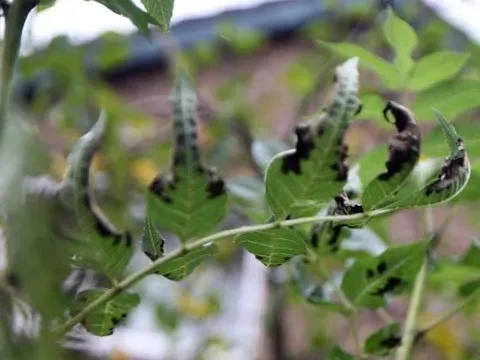
Chalara
Chalara
The disease is caused by fungi of the genus Chalara, most notably the species Chalara fraxinea. It is an aggressive pathogen responsible for severe vascular system impairment in susceptible tree species.
What the section contains
Chalara
The fungus operates by invading the host plant's tissues, where it secretes enzymes and toxins that disrupt the transport of water and nutrients throughout the stem.
It exists in an anamorphic stage, producing spores that are easily disseminated by wind currents during the humid summer months.
The pathogen is highly persistent, capable of surviving for long periods in leaf litter and decaying bark, which ensures its survival throughout the winter.
Scientific evidence indicates that the fungus has a complex life cycle involving sexual and asexual stages, contributing to its rapid adaptation to new environments.
Early symptoms include wilting and necrosis of the leaves, which often appear prematurely in the growing season, typically starting from the tips of branches.
Dark, diamond-shaped lesions form on the bark of stems and branches, which can girdle the tissue and lead to the death of the distal parts of the tree.
The crown of an infected tree often shows signs of dieback, where foliage thins out and the top of the tree begins to look sparse and sickly.
When the bark of an affected branch is removed, brown, discolored wood is usually visible underneath, indicating the presence of fungal colonization.
The tree may attempt to produce epicormic shoots as a survival response to crown dieback, though these are often also quickly infected by the fungus.
High humidity levels and moderate temperatures are the most critical environmental drivers for the development and spread of the disease.
Dense forest stands or crowded nurseries provide a perfect environment for the fungus, as poor air circulation maintains the moisture required for spore germination.
Drought-stressed trees or those growing in suboptimal soil conditions are significantly more susceptible to infection by the pathogen.
The period of peak infection typically coincides with late spring and summer, when the fungus produces spores from the previous year’s fallen leaves.
Warm and rainy weather facilitates the rapid movement of spores, significantly increasing the infection rate in healthy nearby trees.
Chalara is a major threat to global biodiversity, specifically causing widespread mortality in ash populations across many continents.
The disease causes significant economic loss in the timber industry, as mature trees are often killed before they reach harvestable age.
Beyond economic impact, it leads to the loss of ecological services provided by mature trees, including carbon sequestration and habitat support for wildlife.
The rapid progression of the disease often leaves land managers with no choice but to fell large areas of infected forest, causing permanent landscape changes.
In urban settings, the disease poses a significant safety risk, as infected branches become brittle and may fall, potentially damaging property or injuring people.
Strict quarantine regulations are essential to prevent the movement of infected plant material between nurseries and across international borders.
Sanitation practices, such as the removal and destruction of leaf litter and infected woody debris, can help reduce the localized spore load.
In cases of early detection, aggressive pruning of infected branches followed by tool disinfection is recommended to slow the spread.
Chemical control measures, including the application of fungicides, are primarily used in high-value ornamental trees or within commercial nursery environments.
Long-term management strategies focus on identifying and propagating tree genotypes that demonstrate natural resistance to the pathogen.