
Chalaropsis root rot
Chalaropsis thielavioides
Description
Symptoms
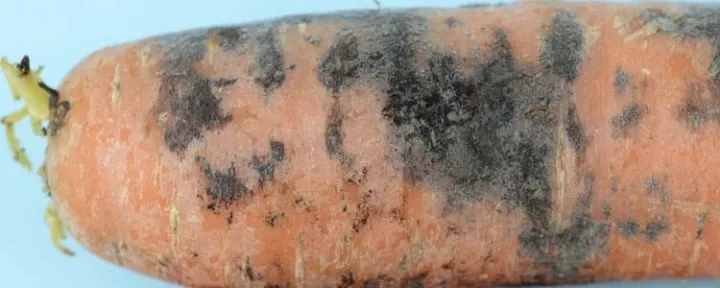
The characteristic signs of the disease include the appearance of dark, sunken lesions on the surface of roots, tubers, or the base of stems in various crops.
As the infection progresses, these lesions often darken to a deep brown or black color, and a characteristic grayish fungal bloom may appear on the surface of the rot.
In seedlings, the infection typically manifests as root decay, leading to stunting, chlorosis, and eventual wilting of the above-ground portions of the plant.
Storage rot often starts as localized necrotic patches that expand rapidly, turning the interior of the root or tuber into a soft, mushy, or corky mass.
Early identification is crucial, as the symptoms can easily be mistaken for other common soil-borne fungal diseases, requiring laboratory diagnosis for confirmation.
Pathogen
The disease is caused by the fungus Chalaropsis thielavioides, which is a common soil-borne pathogen known for its persistence in diverse environments.
The fungus produces thick-walled resting spores that allow it to survive for extended periods in the soil, even in the absence of a suitable host plant.
It propagates through conidia, which are efficiently disseminated by water splashes, soil movement, and contaminated agricultural tools used during harvesting.
Biologically, the pathogen is highly opportunistic, often colonizing tissues that have been weakened by stress factors or physical injury during the harvesting process.
The fungal mycelium spreads rapidly within the host tissue, eventually causing extensive tissue necrosis and rendering the plant material unsuitable for commerce.
Conditions for development
Development of the disease is highly favored by environments with high humidity and temperatures ranging from 20°C to 25°C, conditions common in storage facilities.
Poor soil drainage and waterlogging significantly increase the risk of infection, as the fungus thrives in the oxygen-deprived conditions of saturated soil.
Mechanical injuries sustained during harvesting provide primary entry points for the pathogen, making careful handling a vital aspect of disease management.
In greenhouses, over-irrigation and poor ventilation are the primary drivers of rapid spread, creating microclimates that sustain fungal spore germination.
The pathogen remains highly active in soil that has high organic matter content, which can serve as a reservoir for the fungus between crop seasons.
Why it matters
Chalaropsis root rot causes significant losses in vegetable production, particularly for carrots and parsnips, leading to total crop spoilage during storage.
It poses a major threat to nursery production, where it can wipe out entire batches of ornamental plants, resulting in substantial financial setbacks for growers.
The disease forces producers to increase spending on sanitation and chemical interventions, which reduces the overall profitability of the horticultural enterprise.
Affected produce is often rejected by consumers and retailers due to the unappealing visual appearance and rapid deterioration caused by the fungal rot.
Long-term soil contamination prevents the continuous use of land for susceptible crops, necessitating a rigorous and prolonged rotation schedule for affected fields.
Protection
Effective management begins with strict crop rotation, ensuring a gap of several years between growing susceptible crops to break the pathogen's life cycle.
Rigorous sanitation protocols for tools, machinery, and storage crates are essential to prevent the cross-contamination of healthy produce during harvest and storage.
Providing optimal growing conditions, such as well-drained soil and proper irrigation management, helps bolster plant resistance against fungal invasion.
Post-harvest treatment with authorized fungicides can provide a layer of protection for produce, though it is not a substitute for proper hygiene and handling.
During storage, maintaining a low temperature and adequate air circulation is critical to inhibit the growth and spread of the pathogen within the crop batch.
Discussion
No discussions yet — be the first.