
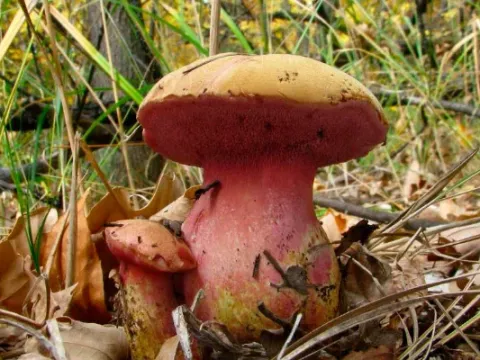
Chalciporus rubinellus
Chalciporus rubinellus
Chalciporus rubinellus is a species of bolete fungus in the family Boletaceae. While primarily recognized as a mycorrhizal associate in forest ecosystems, it can occasionally exhibit opportunistic behavior that affects tree vigor under specific environmental conditions.
What the section contains
Chalciporus rubinellus
The pathogen is characterized by distinct small, reddish-brown to brick-colored fruit bodies. Its mycelium colonizes the soil and establishes complex interactions with the root systems of various host trees, particularly in coniferous environments.
The biology of this fungus involves the colonization of root surfaces. While mycorrhizal associations are typically mutualistic, in this species, a shift toward parasitic feeding can occur when the host tree is suffering from environmental stress, such as drought or mechanical root injury.
Spore dispersal occurs primarily via wind, with spores settling in forest litter and soil. The fungus requires specific moisture levels to germinate and initiate the development of its vegetative mycelium.
Chalciporus rubinellus demonstrates significant resilience, capable of surviving in the soil as dormant mycelia for extended periods. This persistence ensures the fungus can re-emerge quickly once environmental conditions become favorable for growth.
Development is heavily dependent on moisture levels. High humidity in the soil and forest floor, coupled with temperatures between 15°C and 22°C, creates the ideal environment for sporocarp formation and mycelial spread.
Soil acidity is a critical factor for its dominance. The fungus flourishes in the acidic soils of coniferous forests, where the absence of competitive microflora allows it to expand its range without significant biological interference.
Physical injuries to the roots, often caused by soil pests, serve as primary infection points. Once the root cortex is breached, the mycelium can colonize the vascular tissues, leading to a disruption in the tree's internal nutrient transport.
Dense forest stands with poor airflow and low light levels promote high humidity near the ground, which further exacerbates the risk of fungal proliferation among neighboring trees.
Seasonality is marked by late summer and autumn rainfall. During these months, the fungal activity reaches its peak, leading to the emergence of fruit bodies and the maximum concentration of spores in the atmosphere.
The primary damage caused by this fungus is the impairment of tree nutrition. By colonizing the roots, the mycelium competes for water and essential minerals, effectively starving the tree and stunting its annual growth rate.
Affected trees often show symptoms of premature foliage yellowing, reduced shoot elongation, and overall canopy thinning. Such weakened trees become highly susceptible to secondary attacks from bark beetles and wood-boring insects.
In forestry, the presence of this fungus is linked to the long-term degradation of timber quality. Trees that are chronically infected suffer from structural weakness, making them prone to windthrow during severe weather events.
The displacement of beneficial mycorrhizal fungi by Chalciporus rubinellus removes the tree's natural support system, reducing its ability to withstand nutrient deficiencies and pathogen stress.
Economic damage manifests as a decrease in forest yield and the requirement for increased investment in sanitary measures and forest management practices to prevent the further spread of the fungus within the stand.
Effective management begins with maintaining appropriate planting density to ensure adequate airflow and prevent the buildup of excess humidity on the forest floor, which limits fungal development.
Sanitary forest management, including the prompt removal of weakened and diseased trees, is essential for reducing the concentration of fungal spores and limiting the primary sources of infection.
Soil management, such as the application of lime, can alter the soil pH to levels that are less favorable for this species, thereby encouraging a more diverse and healthier soil microbial community.
The use of biological control agents, specifically beneficial bacteria and fungi that act as natural antagonists, can suppress the growth of the pathogen without disrupting the wider forest ecosystem.
- Regular inspection of root collar health in young stands;
- Improving soil drainage in nursery areas;
- Application of fungicides only in specific, high-risk scenarios;
- Maintaining healthy forest litter cycles to support beneficial fungi.