
Chamaemyces fracidus
Chamaemyces fracidus
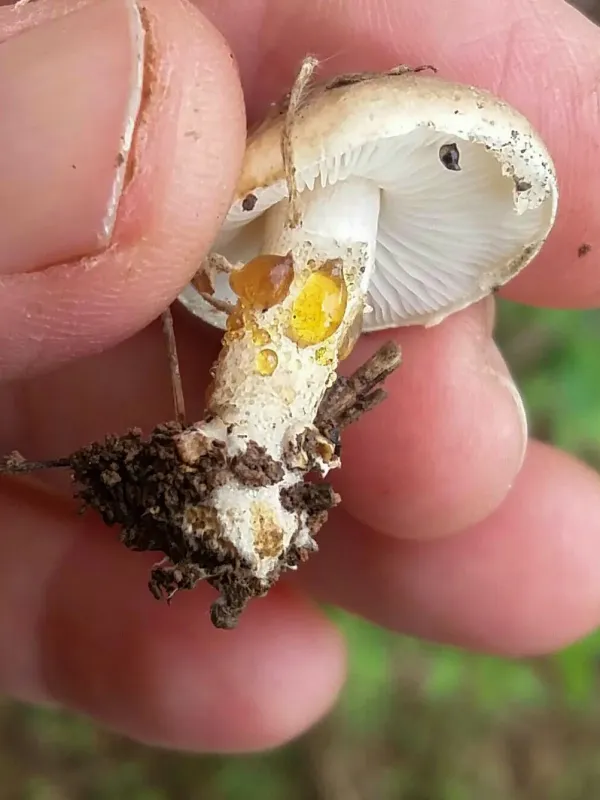
Description
Pathogen
The disease is caused by the fungus Chamaemyces fracidus, a member of the Agaricaceae family. While typically considered a saprotrophic organism that breaks down organic matter in soil, it can behave as a pathogen when attacking weak or damaged plant tissues.
The fungus spreads via spores produced in its fruiting bodies. These spores are dispersed by wind, splashing rain, or physical contact, allowing the fungus to colonize new plant hosts effectively within a short period.
The mycelium of Chamaemyces fracidus penetrates host tissues by secreting enzymes that degrade cell walls. This digestive action allows the fungus to extract nutrients from the plant, leading to structural damage and physiological stress.
Microscopic analysis is essential to confirm the presence of this fungus, as its initial stages often mimic other decay-related pathogens. Understanding its biological cycle helps in determining the right timing for intervention.
Under specific environmental conditions, the fungus can form sclerotia or persistent mycelial mats in the soil. These dormant structures allow the pathogen to survive harsh winters and re-infect plants during the next growing season.
Conditions for development
High humidity is the primary catalyst for the growth and dissemination of Chamaemyces fracidus. Prolonged periods of rainfall or excessive irrigation create the moist microclimate required for rapid spore germination and mycelial spread.
Moderate temperatures ranging from 15°C to 22°C are ideal for the development of this fungus. In such environments, the organism reaches its peak metabolic activity, leading to aggressive colonization of the host plant's internal systems.
Physical injuries to plants, such as those caused by pruning, animal activity, or pests, significantly increase the likelihood of infection. These wounds provide a direct pathway for the fungus to bypass the plant's natural surface defenses.
The accumulation of plant debris on the field surface serves as a persistent reservoir for the pathogen. Without proper sanitation, these remnants provide a consistent source of inoculum that can infect healthy crops year after year.
Poor airflow, often caused by overly dense planting or lack of pruning, contributes to moisture accumulation. Ensuring adequate spacing between plants is a fundamental step in preventing the establishment of the disease in agricultural settings.
Why it matters
The primary damage caused by Chamaemyces fracidus involves the degradation of the vascular system. This obstruction of water and nutrient transport leads to wilting, stunted growth, and the eventual death of branches or entire plants.
Affected plants often show chlorotic foliage and poor vigor. The reduction in photosynthetic efficiency translates into lower yields and poor fruit quality, which has significant economic implications for commercial growers.
For ornamental trees, the fungus destroys the cambium layer, leading to bark necrosis and structural weakening. This makes the affected plants more prone to breaking during high winds or heavy snow, posing a risk to the surrounding landscape.
The metabolic byproducts of the fungus may exert a phytotoxic effect on the host. This internal toxicity weakens the plant's overall immune response, leaving it highly susceptible to secondary attacks by bacteria and other aggressive fungi.
Economic losses are cumulative, involving not only the reduction in crop output but also the increased costs associated with chemical control and the potential need for full replacement of infected plant populations.
Protection
Integrated pest management (IPM) is the most effective approach for controlling Chamaemyces fracidus. This begins with rigorous sanitation: removing infected plant material and ensuring the field is kept free of debris to deny the pathogen a food source.
Systemic fungicides are recommended when environmental conditions are conducive to disease development. It is vital to use these products in accordance with professional guidelines, rotating active ingredients to prevent the fungus from developing resistance.
Improving cultural practices, such as optimizing soil drainage and managing irrigation carefully, is essential. Strong, healthy plants possess a higher innate resistance and are less likely to be overwhelmed by fungal infections.
- Conduct regular monitoring to detect symptoms in the early stages.
- Disinfect pruning tools with a 70% alcohol solution after each cut.
- Maintain balanced soil fertility to boost plant defense mechanisms.
- Improve air circulation through correct pruning and spatial management.
In cases of severe infection, removing and destroying the most damaged parts of the plant is necessary. This reduction in inoculum pressure helps protect the remaining healthy population and prevents the disease from spreading throughout the entire farm or garden.
Discussion
No discussions yet — be the first.