
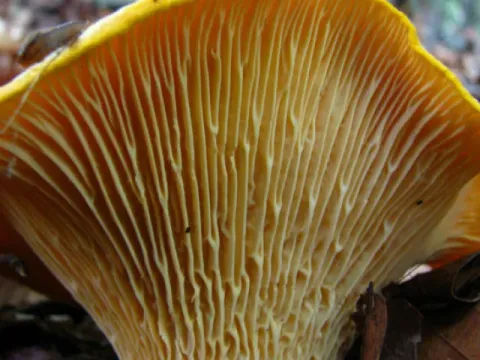
Chanterelle
Cantharellus
The genus Cantharellus, commonly known as chanterelles, are not plant pathogens. They are essential ectomycorrhizal fungi that form mutually beneficial relationships with the roots of trees.
What the section contains
Chanterelle
These fungi do not attack or destroy plant tissues. Instead, they facilitate the exchange of essential nutrients and water, which enhances the overall health and growth rate of the host plant.
Unlike parasitic fungi that cause diseases such as rot or blight, Cantharellus species depend entirely on the tree for carbohydrates and, in return, provide mineral uptake support.
The lifecycle of this organism involves a deep-seated mycelium that exists in harmony with the tree's root system, acting as a natural extension of the plant's absorption system.
Classifying chanterelles as a plant disease is biologically incorrect, as they play a critical ecological role in sustaining the vitality of forest trees and shrubs.
The most visible sign of Cantharellus presence is the emergence of yellow or orange funnel-shaped fruiting bodies during periods of high soil moisture.
Examination of the soil around the tree roots reveals the presence of a fungal sheath or network of hyphae, which is a characteristic feature of healthy mycorrhizal colonization.
Plants associated with these fungi do not show symptoms of illness, such as wilting, yellowing, or abnormal growth patterns that are typical of pathogenic infections.
The presence of these mushrooms is often correlated with dense, lush plant growth in forest understories, indicating a robust symbiotic soil environment.
Soil quality markers, such as high organic matter content and specific acidity levels, are visible signs that conditions are suitable for the development of chanterelle mycelium.
The development of Cantharellus species requires the presence of specific host trees, including oaks, pines, spruces, or beeches, to establish a long-term symbiotic link.
A stable soil moisture regime and adequate drainage are essential for the survival of the mycelium throughout the year.
Cooler soil temperatures, typically ranging from 15°C to 20°C, combined with moderate light levels, promote the formation of surface fruiting bodies.
The fungi thrive in slightly acidic soils that are rich in leaf litter and decaying organic matter, providing the necessary nutrients for the fungal growth.
Human activity, such as chemical fertilizer application, can disrupt the fragile mycorrhizal balance, causing the fungal population to decline significantly.
Chanterelles cause no harm to plants. They are considered beneficial indicators of a healthy and balanced forest ecosystem.
Misidentifying these fungi as pests leads to unnecessary chemical interventions that can destroy beneficial soil life and degrade the overall structure of the ecosystem.
There is no evidence of phytotoxic effects or tissue destruction caused by Cantharellus, as their lifestyle is strictly oriented towards symbiosis rather than exploitation.
Economic impact on agriculture or forestry is entirely absent, and in some cases, the presence of such mycorrhizal networks is encouraged for better tree vigor.
The perceived 'harm' is purely a result of miscommunication and lack of knowledge regarding the symbiotic nature of these woodland fungi.
No control measures are necessary, as chanterelles are not pests or pathogens. Efforts should focus on preserving these mushrooms to maintain soil biodiversity.
It is recommended to avoid heavy application of systemic fungicides in areas where mycorrhizal networks are vital for tree health and development.
Maintaining a natural soil pH and minimizing soil compaction are the best strategies to ensure the long-term sustainability of the fungal population.
Agronomic management should include educating staff on the distinction between pathogenic fungi and beneficial symbionts to prevent improper chemical treatments.
Conservation of the local forest habitat, including the protection of host trees, is the only required 'management' strategy for these fungi.