
Chaetothyriales fungi
Chaetothyriales
Description
Symptoms
The primary sign of infestation by Chaetothyriales fungi is the appearance of a characteristic dark coating on the plant surface. Visually, this appears as a black or brown film, resembling a layer of soot or grime.
This fungal growth typically affects fruit, leaves, and young shoots. The coating can range from easily removable to firmly attached to the plant cuticle, which impedes photosynthesis.
In some cases, the fungi produce small, dark fruiting bodies. This gives the affected areas a rough, textured appearance and irregular pigmentation.
Infestation often develops in patches, particularly in the lower parts of the canopy or areas with poor air circulation. On fruit, these patches can merge, significantly reducing the market value.
Prolonged exposure to the fungus causes premature leaf yellowing and shedding. In severe cases, fruit skin may crack, making the plant susceptible to secondary opportunistic infections.
Pathogen
The causative agents are fungi within the order Chaetothyriales, belonging to the class Eurotiomycetes. These are specialized fungi that often live as epiphytes on plant surfaces.
The biology of these microorganisms is closely linked to the presence of plant exudates, such as honeydew secreted by sap-sucking insects. The fungi thrive by consuming these sugary substrates.
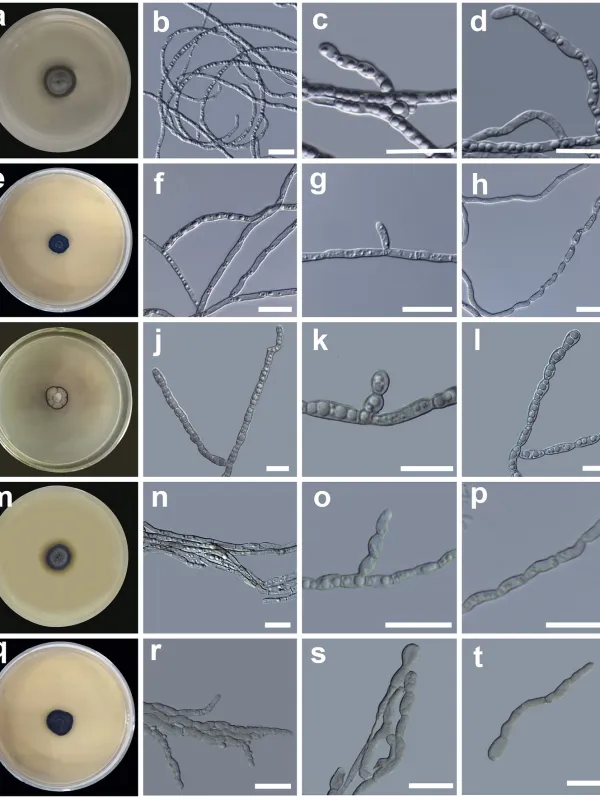
The mycelium of Chaetothyriales is characterized by high density and dark pigmentation of the hyphal walls. This provides them with significant resistance to UV radiation and temperature fluctuations.
Reproduction occurs primarily through conidia, which are dispersed by wind, raindrops, and insects. Under favorable conditions, the fungi rapidly colonize the epidermis of the host plant.
Despite their superficial nature, some species can penetrate the cuticular layer, causing micro-lesions in plant tissues. This categorizes them as persistent pathogens rather than mere surface contaminants.
Conditions for development
The development of the disease is highly dependent on high humidity. Prolonged rainfall, fog, and heavy dew create the ideal microclimate for fungal spore germination and growth.
A critical factor for the spread of these fungi is the presence of honeydew-secreting pests such as aphids, scale insects, or whiteflies. Their excretions serve as the primary food source.
Dense planting and poor canopy ventilation promote stagnant, humid air. In these conditions, fungal spores have sufficient time to anchor and develop across the leaf surface.
Optimal temperatures for Chaetothyriales activity fall within a moderate range. During the summer, combined with high humidity, the fungal growth becomes particularly aggressive.
Lack of proper orchard maintenance, including neglected pruning, facilitates an environment conducive to high infection pressure. Regular pest management is essential to minimize risks.
Why it matters
The primary damage is a severe reduction in the commercial quality of the crop. Affected fruit lose their visual appeal and cannot be sold at premium market prices.
The fungal coating blocks stomata on the leaves, disrupting essential gas exchange processes. This leads to weakened plant metabolism and a significant reduction in photosynthetic efficiency.
Heavy infestations result in premature leaf drop, which weakens the overall immune system and winter hardiness of the plant, which is critical for perennial fruit trees.
The disruption of the epidermal integrity by the fungal mycelium leaves fruit vulnerable to other diseases, such as fruit rot, causing additional post-harvest losses.
Economic losses are cumulative, arising from the cost of intensive fungicide applications and the loss of marketable harvest volume. Without pest control, the disease becomes chronic.
Protection
The foundation of control is the effective management of honeydew-secreting insects. Eradicating aphids, scales, and whiteflies is the first step in preventing fungal spread.
Cultural practices should focus on thinning the canopy to improve light penetration and air circulation. This prevents the accumulation of excess humidity on leaf surfaces.
Application of copper-based fungicides is effective for cleaning the bark and leaves of fungal mycelium. Treatments are best applied before flowering or after harvesting.
Regular sanitation, including the removal and destruction of fallen leaves and infected plant debris, reduces the inoculum level. This interrupts the fungal life cycle.
The use of systemic fungicides registered for sooty mold control provides reliable protection for fruit during the ripening period. Always follow label instructions and waiting periods.
Discussion
No discussions yet — be the first.