
Byssonectria
Byssonectria
The disease is caused by fungi of the genus Byssonectria, which belong to the Ascomycota division. In agronomy, these fungi are often considered facultative parasites or opportunistic pathogens that thrive in weakened plant tissues or specific soil environments.
What the section contains
Byssonectria
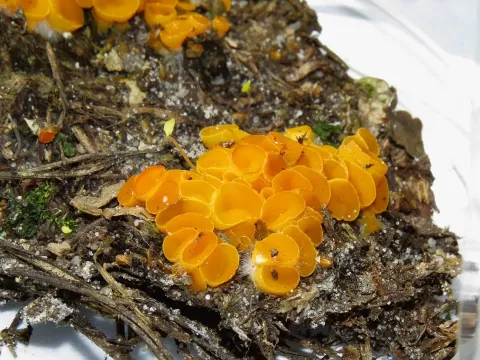
These fungi are identified by the formation of small, brightly colored fruiting bodies known as perithecia. These structures typically appear on the surface of substrates, particularly near roots or moss, and serve as the primary indicator for presence in the field.
The pathogen is capable of surviving for long periods in the soil as mycelium or resistant spores. It is well-adapted to organic-rich environments and can transition between saprotrophic feeding on debris and parasitic infection of crops.
The biological cycle of Byssonectria involves the production of enzymes that decompose plant material. This makes the fungus efficient at breaking down organic matter, which can inadvertently lead to the colonization of living plant roots under favorable conditions.
Identification of the species requires laboratory confirmation via microscopic examination of spores and asci, as visual identification in the field can be complex due to the morphological similarity with other Hypocreales fungi.
The development of Byssonectria is primarily driven by excessive soil moisture. Prolonged rainfall, inadequate drainage, or over-irrigation create the wet environment essential for spore germination and mycelial spread.
High levels of undecomposed plant debris in the field serve as a primary energy source for the pathogen. A build-up of organic residue provides the fungus with the initial biomass needed to sustain and spread the infection.
Poor soil aeration and high crop density limit airflow, creating a stagnant microclimate at the soil surface. This lack of ventilation is a critical factor in the rapid proliferation of the fungal pathogen among susceptible plants.
The optimal temperature range for mycelial growth is between 18 and 22 degrees Celsius. While the fungus is less active at higher temperatures, the spores remain viable and dormant in the soil, ready to activate when conditions return to their optimum.
Soil pH levels also influence the fungus, with slightly acidic to neutral soils often favoring its colonization. Understanding the specific soil profile of a field is essential for predicting the risk of an outbreak.
The harmful impact of Byssonectria includes the suppression of root development, which stunts overall plant growth. This is particularly devastating to seedlings and young transplants, leading to reduced vigor and lower stands.
Infection results in the degradation of root tissues, limiting the plant's ability to absorb water and essential nutrients. Affected crops often show signs of chlorosis, wilting, and overall poor performance, even under optimal care.
Significant infestations can lead to substantial yield losses due to plant death or reduced productivity. In ornamental and nursery settings, the presence of the fungus renders the planting material unmarketable.
Plants weakened by Byssonectria are prone to secondary infections from other soil-borne pathogens. This complex interaction makes the primary management of the fungal population even more critical for sustainable farming.
Economic damage is twofold: the direct loss of plant yield and the increased expenditure on corrective fungicide treatments and soil remediation efforts to mitigate the spread.
Effective prevention starts with rigorous crop rotation and field sanitation. Removing plant residue prior to planting significantly reduces the inoculum potential of the soil.
Improving field drainage is a primary structural solution. By preventing waterlogging, growers remove the most critical environmental trigger for fungal growth, naturally limiting the spread of Byssonectria.
Biological control agents, such as Trichoderma species, have shown potential in promoting a healthy soil biome. These beneficial fungi can outcompete the pathogen for resources, effectively suppressing its growth.
Chemical control involving fungicides should be targeted based on risk assessment. Applications are most effective when used preventively or at the earliest signs of symptomatic development to protect the root zone.
- Maintain optimal soil pH levels to favor healthy crop growth.
- Ensure adequate plant spacing to facilitate airflow and surface drying.
- Use certified, pathogen-free seeds and nursery stock.
- Implement regular monitoring of soil health and plant root development.