
Byssomerulius corium
Byssomerulius corium
Description
Symptoms
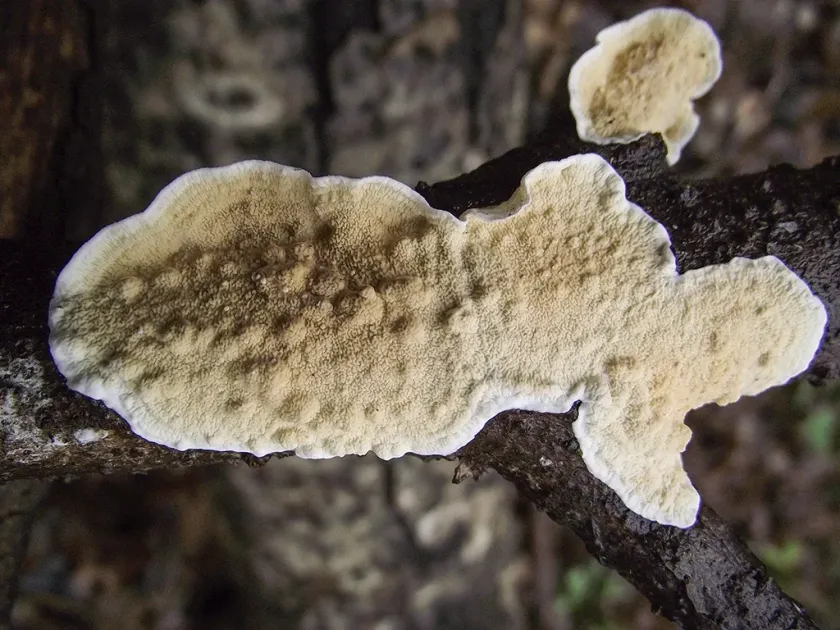
The primary symptom of infection is the presence of pale, cream, or yellowish leathery patches on the bark or exposed wood. These growths often have a characteristic reticulate or wrinkled surface.
Infected wood undergoes a structural transformation, becoming soft, brittle, and fibrous. This texture change is a classic indicator of the white rot process induced by the fungus.
Localized discoloration of the bark is often visible where the fungal mycelium has colonized the underlying tissue. In advanced stages, the bark may crack and detach from the trunk.
Unlike many polypore fungi, Byssomerulius corium does not form distinct caps or stems. Its growth is primarily resupinate, meaning it spreads like a crust across the surface of the wood.
A faint, earthy, or musty fungal odor often accompanies the presence of these crust-like formations, especially in humid or sheltered environments.
Pathogen
Byssomerulius corium is a saprotrophic basidiomycete fungus from the family Phanerochaetaceae. It is a common cause of white rot in the wood of various deciduous trees.
This pathogen forms widespread, leathery fruiting bodies that adhere tightly to the bark. The fungus utilizes its mycelium to penetrate the wood structure, systematically breaking down lignin and cellulose, which leads to significant tissue degradation.
The fungus is highly resilient and can persist in woody debris for long periods, acting as a constant source of infection in forest and garden ecosystems. Spores are dispersed primarily by wind during favorable moist conditions.
While typically categorized as a secondary decomposer of dead or weakened wood, it can opportunistically invade living trees through open wounds. This makes it a serious concern for neglected or damaged orchards.
The biological development cycle is synchronized with seasonal humidity levels. Fruiting bodies generally emerge during the wet spring or autumn months when environmental moisture is optimal for sporulation.
Conditions for development
The development of the fungus is strictly dependent on wood moisture levels. Shaded, damp locations where air circulation is restricted provide the ideal microclimate for the pathogen.
A temperate climate is highly favorable, with growth rates peaking at temperatures between 15 and 25 degrees Celsius. These conditions allow the mycelium to spread rapidly across the surface of the host.
Mechanical damage, such as improper pruning cuts, frost cracks, or broken branches, provides direct entry points for the fungal spores to colonize the tree's interior.
Poor orchard hygiene, including high planting density, inhibits ventilation and creates a stagnant environment that promotes the settling of spores on tree trunks.
Over-irrigation or poor drainage around the base of trees can exacerbate the risk, as the resulting humidity levels support the sustained growth of the fungal colony.
Why it matters
The main danger posed by Byssomerulius corium is the progressive destruction of structural wood fibers. This weakening process significantly shortens the lifespan of ornamental and fruit-bearing trees.
Structural compromise makes branches increasingly brittle, posing a safety risk as they are prone to snapping during strong winds or heavy snow loads.
The fungus depletes the tree's metabolic resources, leading to reduced yield, stunted growth, and decreased overall vigor, which renders the tree more susceptible to other stressors.
It acts as a contagious pathogen in poorly managed environments, spreading from infected debris or weakened trees to neighboring healthy specimens.
In forestry and timber production, the presence of this fungus degrades the quality of the wood, making it commercially unviable for construction or carpentry purposes.
Protection
The most effective strategy involves strict adherence to proper horticultural practices. Regular monitoring and sanitation are crucial for keeping the garden free from the fungus.
All pruning cuts and physical injuries to the bark must be immediately sealed with pruning paint, wound dressings, or copper-based fungicides to prevent spore entry.
- Performing regular sanitary pruning to remove dead or infected branches.
- Cleaning trunks of loose bark and debris where fungi might hide.
- Proper disposal of infected wood by burning or removal from the site.
- Promoting good air circulation through thinning and crown management.
- Applying copper-based fungicidal sprays during dormant periods.
Maintaining the overall health and immunity of the trees through balanced fertilization and correct watering practices is essential for rapid wound healing.
When localized infections are spotted, one should scrape the affected area down to healthy tissue and sanitize the exposed surface to stop the expansion of the mycelium.
Discussion
No discussions yet — be the first.