
Byssonectria fusispora
Byssonectria fusispora
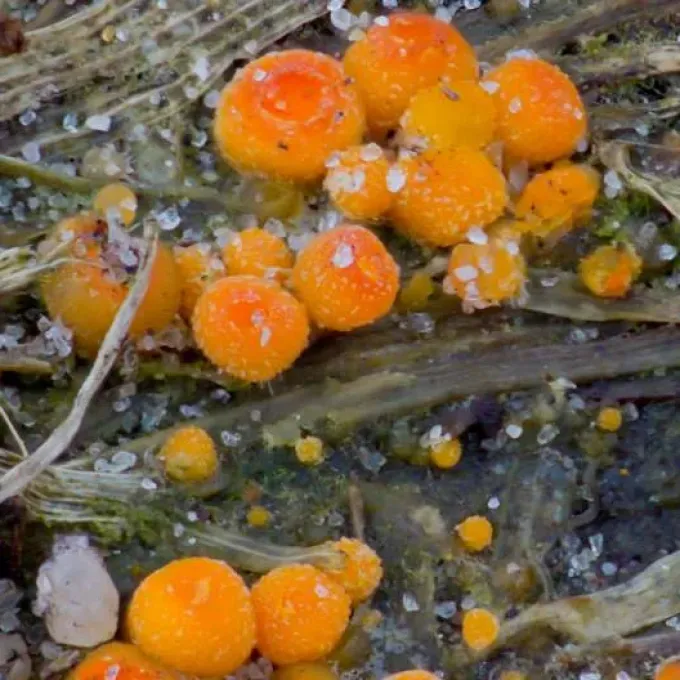
Description
Pathogen
The disease is caused by the ascomycete fungus Byssonectria fusispora. This pathogen belongs to a group of fungi that can thrive in various substrates, often utilizing organic matter in the soil as a base for initial growth.
The biology of this fungus is defined by its ability to produce distinct spindle-shaped spores, which serve as the primary inoculum for the infection of surrounding plant tissues.
As a facultative pathogen, it can survive as a saprotroph, waiting for the right environmental cues to transition into a parasitic lifestyle on susceptible plant hosts.
The fungal mycelium infiltrates the plant cells using enzymatic degradation, which allows it to extract nutrients and weaken the structural integrity of the host organism.
Due to its ecological flexibility, this fungus can persist in various soil types, making it a persistent concern for farmers in regions with recurring environmental stressors.
Conditions for development
High moisture levels in the soil and the plant canopy are the primary drivers for Byssonectria fusispora development. Stagnant water creates the perfect conditions for spore germination.
The fungus thrives in moderate temperature ranges, which are common during the active growing season. Fluctuating humidity levels further promote rapid sporulation and dispersal.
Poor soil aeration and dense crop spacing inhibit airflow, creating a humid microclimate that traps moisture and facilitates the infection process within the field.
Accumulated crop debris on the field surface acts as a reservoir for the pathogen, providing a continuous supply of inoculum during the early stages of the crop life cycle.
Environmental conditions that stress the plant, such as poor soil nutrient balance, can reduce the natural resistance of the crop, leaving it susceptible to colonization.
Why it matters
The pathogen causes significant harm by suppressing normal plant development, leading to stunted growth and reduced overall vitality of the crop stand.
Infection results in the disruption of water and nutrient transport pathways, which causes wilting, chlorosis, and the necrosis of infected plant tissues.
Economic damage is substantial due to yield losses and decreased quality of the harvest, which may lead to downgraded market value for the produce.
If left unmanaged, the pathogen can accumulate in the soil, creating long-term difficulties for subsequent crop rotations and forcing farmers to adopt intensive management practices.
Indirect losses include the cost of fungicides and the management labor required to mitigate the spread of the fungus during peak infection periods.
Protection
Effective management begins with strict adherence to agrotechnical practices that improve field drainage and ensure proper soil aeration, discouraging fungal development.
Thorough incorporation of crop residues into the soil is essential to accelerate decomposition and reduce the amount of inoculum available for new infections.
Crop rotation remains a primary cultural control method, as alternating between non-host species disrupts the fungal life cycle and lowers disease pressure.
Chemical control measures, specifically the application of targeted fungicides, should be initiated early upon the detection of symptoms to effectively limit the spread of the fungus.
- Regular field scouting to detect early infection signs.
- Use of high-quality, treated seed lots to prevent initial contamination.
- Balanced fertilization to support robust plant growth and immunity.
Discussion
No discussions yet — be the first.