
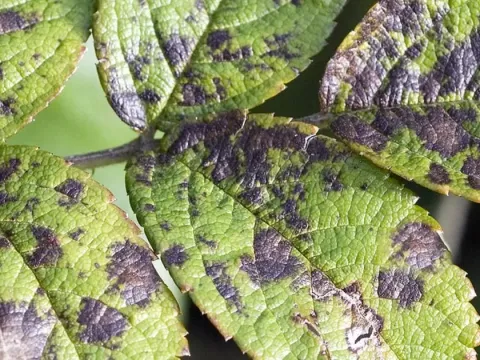
Brown spot of corn
Koltin
The disease is caused by the fungus Physoderma maydis, which is classified within the chytrid group. This pathogen has a unique biological life cycle that includes the production of zoospores, which require free water to move and infect new tissues.
What the section contains
Brown spot of corn
The fungus survives the winter in the form of resting spores (sporangia) found in soil and on infested plant debris. These structures are highly resistant to environmental stress, allowing the pathogen to persist in fields for several consecutive seasons.
Infection begins when these sporangia germinate to release motile zoospores. When moisture collects in the leaf whorl, these zoospores swim to the young, developing tissues and penetrate the plant epidermis to initiate colonization.
As the mycelium grows, it colonizes the intercellular spaces of the host, leading to cellular dysfunction. The pathogen is specifically adapted to the growth stages of corn, targeting younger, developing tissues before they fully mature.
The biology of Physoderma maydis makes it a persistent threat in corn-growing regions with high humidity, requiring farmers to manage crop debris and soil health proactively.
Symptoms typically appear on leaves, leaf sheaths, and stalks. The early signs consist of small, yellowish-brown spots that are often clustered in bands across the leaf blade, a pattern resulting from the fungus infecting the whorl while the leaf was still folded.
As the infection progresses, these spots darken to a deep brown or purplish-black color. These lesions are filled with masses of spores, which may rupture the leaf surface, giving it a rough, dusty appearance when touched.
Infection of the stalk nodes is a particularly damaging symptom. The fungal activity weakens the nodal tissues, making the stalk susceptible to lodging (breaking) under wind or mechanical stress during the late stages of growth.
If the infection is severe, the affected leaves may yellow, wither, and eventually die. This premature senescence of the foliage reduces the overall photosynthetic capacity of the plant.
Diagnostic identification of Brown Spot relies on observing the distinct banding pattern of lesions, which helps distinguish it from other common fungal or bacterial blights affecting maize.
High moisture is the primary environmental driver for the disease. Prolonged periods of rainy or overcast weather that keep the leaf whorls wet allow zoospores to successfully reach and penetrate the corn plant.
The pathogen thrives in warm temperatures, with optimal infection occurring between 23 and 30 degrees Celsius. In such environments, the latent period of the disease is short, leading to rapid spread within a field.
Continuous corn cropping systems are highly conducive to the buildup of inoculum. Since the spores persist in the soil for years, planting corn in the same field repeatedly increases the likelihood of severe outbreaks.
Inadequate management of crop residue provides an ideal environment for the pathogen to survive and infect subsequent crops. Residues left on the soil surface act as a reservoir for spores that are splashed onto new plants by rain.
Dense plant populations and high-humidity microclimates significantly improve the success rate of infection, as these conditions favor both spore germination and the movement of zoospores across plant surfaces.
The economic impact of Brown Spot is primarily due to yield reduction caused by the loss of functional leaf area. Reduced photosynthesis limits the plant's ability to fill grain effectively, resulting in lower total yield.
Stalk rot and weakening caused by infection at the nodes significantly increase the risk of lodging. This leads to substantial harvest losses, as fallen stalks are difficult for mechanical combines to pick up.
Overall grain quality may also be compromised. Plants that suffer from significant foliar damage often produce smaller, lighter ears with inferior kernel development compared to healthy counterparts.
Because the resting spores remain in the soil, an initial outbreak can lead to recurrent losses in future seasons. This creates long-term management challenges and necessitates ongoing vigilance from farmers.
Management of the disease involves significant costs related to field scouting, potential fungicide application, and the implementation of cultural practices to reduce soil-borne inoculum levels.
Crop rotation is the most effective cultural practice for controlling this disease. By switching to non-host crops, growers can naturally decrease the population of spores in the soil over time.
Deep tillage or proper management of crop debris helps accelerate the decomposition of plant tissues, which in turn reduces the survival and release of the pathogen's resting spores.
Selecting and planting genetically resistant or tolerant corn hybrids is a critical management strategy. This provides a baseline level of protection that helps reduce the severity of the disease regardless of weather conditions.
Ensuring optimal plant population and proper drainage can help modify the field microclimate, making it less conducive to the moisture-dependent infection process of the fungus.
While fungicides can be used to manage Brown Spot, their effectiveness depends on proper timing and application. Scouting for early signs and adhering to integrated pest management practices is essential for success.