
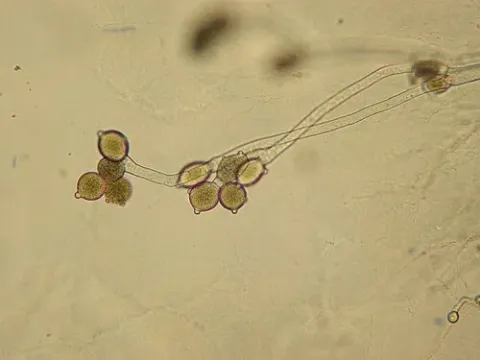
Blastocladiomycota
Blastocladiomycota
Blastocladiomycota are a division of fungi-like organisms that include specialized pathogens affecting various aquatic and terrestrial plants.
What the section contains
Blastocladiomycota
A notable representative is Physoderma maydis, which is responsible for brown spot disease in maize, severely impacting agricultural production.
These pathogens are characterized by motile zoospores with a single flagellum, enabling them to navigate through surface water to reach host tissues.
They reproduce both asexually and sexually, producing resilient resting sporangia that can persist in the soil for years, waiting for favorable conditions.
Their biological complexity places them between simple protists and true fungi, which dictates their unique parasitic lifestyle and infection mechanisms.
The primary symptom of infection involves the emergence of small yellowish or light-brown lesions on leaves, leaf sheaths, and stalks.
Over time, these lesions develop into pustules that rupture the plant epidermis, releasing masses of reddish or dark-brown sporangia.
Affected plants often show signs of premature wilting, as the pathogen impairs the plant's ability to maintain hydration and perform photosynthesis.
Severe infestations can lead to stalk brittleness, increasing the risk of lodging, which makes harvesting difficult and results in yield loss.
Visual identification is typically confirmed by the presence of dusty spore masses covering the infected parts of the plant during humid weather.
The development and spread of Blastocladiomycota are heavily dependent on high moisture levels, as zoospores require water to swim and infect the host.
Extended periods of rainfall, high humidity, and improper irrigation techniques create an ideal environment for the activation of resting spores.
The optimal temperature range for the germination and infection cycle is usually between 20°C and 25°C, coinciding with the peak growing season.
Crop debris left on the soil surface serves as a primary reservoir for the pathogen, allowing it to survive between growing seasons.
Poor field ventilation and overcrowding of plants further exacerbate the disease spread by maintaining a microclimate favorable for fungal growth.
The main danger posed by these pathogens is a significant reduction in overall yield and a decrease in the quality of the harvested crops.
By disrupting plant physiology, the infection stunts growth, prevents proper grain filling, and weakens the plant's structural integrity.
Weakened tissues become susceptible to secondary infections by bacteria or other fungi, which can accelerate the decay of the plant material.
In cases of widespread infection, economic losses can be severe, potentially impacting a large percentage of the harvest in specific plots.
Beyond direct yield loss, the infection increases operational costs due to the need for extra fungicides and mechanical difficulties during harvesting.
Effective control relies primarily on long-term crop rotation to prevent the accumulation of resting spores in the soil environment.
Deep plowing and the thorough burial of plant residues help reduce the primary inoculum load, making it harder for spores to reach the surface.
Utilizing resistant crop varieties remains the most sustainable and efficient strategy for mitigating damage from Blastocladiomycota.
Strategic application of systemic fungicides during the early stages of the disease can curb the spread if weather conditions are conducive to infection.
- Regular monitoring of soil moisture levels.
- Optimizing plant spacing for better airflow and drying.
- Prompt sanitation of infected plant material in the field.