
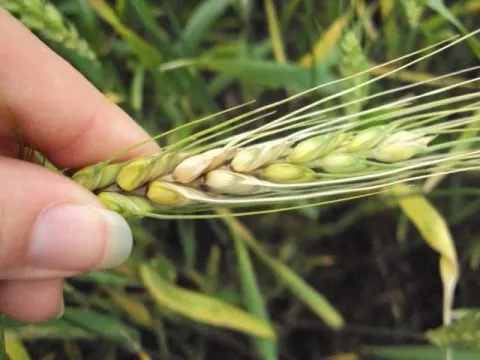
Bisifusarium infection
Bisifusarium
Bisifusarium is a genus of fungi belonging to the order Hypocreales, which includes several species previously grouped under the genus Fusarium. These pathogens are significant threats to global agricultural productivity.
What the section contains
Bisifusarium infection
The fungus is a soil-borne pathogen that produces chlamydospores, allowing it to survive for several years in the soil even in the absence of a host plant.
Pathogenesis involves the colonization of the vascular system (xylem), where the fungus produces mycelia that physically block the upward flow of water and nutrients.
The pathogen is known for its ability to secrete secondary metabolites, including mycotoxins, which are harmful to the host plant and contaminate the final harvest.
Dissemination occurs via contaminated seed, agricultural machinery, windborne spores, and the movement of infested soil across farming fields.
The most characteristic symptom of Bisifusarium infection is chronic wilting, often occurring in sections of the field regardless of soil moisture levels.
Affected plants often show chlorosis and necrosis of the lower leaves, eventually progressing upward, followed by premature desiccation of the entire plant.
A cross-section of the stem or crown typically reveals a dark-brown discoloration of the vascular tissues, which is a diagnostic indicator of vascular wilt diseases.
In humid conditions, a whitish or salmon-colored fungal growth (sporodochia) can be observed at the base of the stems or on decaying plant residues.
Root systems frequently exhibit decay, rot, and a reduction in fine root density, which compromises the anchorage and water-uptake efficiency of the plant.
Optimal development of the pathogen occurs under warm, humid conditions, which favor the rapid germination of conidia and the colonization of plant tissues.
Poor soil drainage and acidic conditions often exacerbate the disease, as they create a conducive environment for fungal growth while weakening the plant’s natural defenses.
High nitrogen levels combined with a lack of potassium or phosphorus can leave plants more vulnerable to infection during critical developmental stages.
Mechanical damage to root systems caused by tillage or soil-dwelling pests provides entry points for the fungus to invade the plant’s vascular system.
Reduced crop rotation practices allow the fungal inoculum to build up in the soil, leading to increased disease pressure in successive planting seasons.
Bisifusarium infections lead to severe crop yield losses, ranging from stunted plant growth to complete crop failure in highly susceptible cultivars.
Quality reduction is a major concern, as the presence of mycotoxins in harvested grains can make them unsafe for human consumption or animal feed consumption.
The pathogen causes significant financial hardship for farmers due to the costs associated with fungicide applications and the potential rejection of harvest due to safety standards.
Infected seeds have reduced germination rates and vigor, which impacts the successful establishment of stands in subsequent crop cycles.
Loss of storage shelf-life in infected products is also a common issue, as the fungi can continue to spread within silos under suboptimal moisture conditions.
Integrated pest management strategies starting with the use of certified, disease-free, and treated seeds are the first line of defense.
Implementing a strict crop rotation program with non-host species is essential to break the survival cycle of the fungus in the soil.
Balanced soil fertility management, particularly ensuring adequate potassium levels, helps to strengthen plant cell walls and improve resistance to pathogen invasion.
The application of systemic fungicides at specific growth stages, as indicated by regional disease monitoring, can effectively protect crops from infection.
Sanitation practices, including the removal or deep incorporation of crop residues, significantly reduce the primary source of fungal inoculum in the field.