
Bitter bolete
Tylopilus felleus
Description
Symptoms
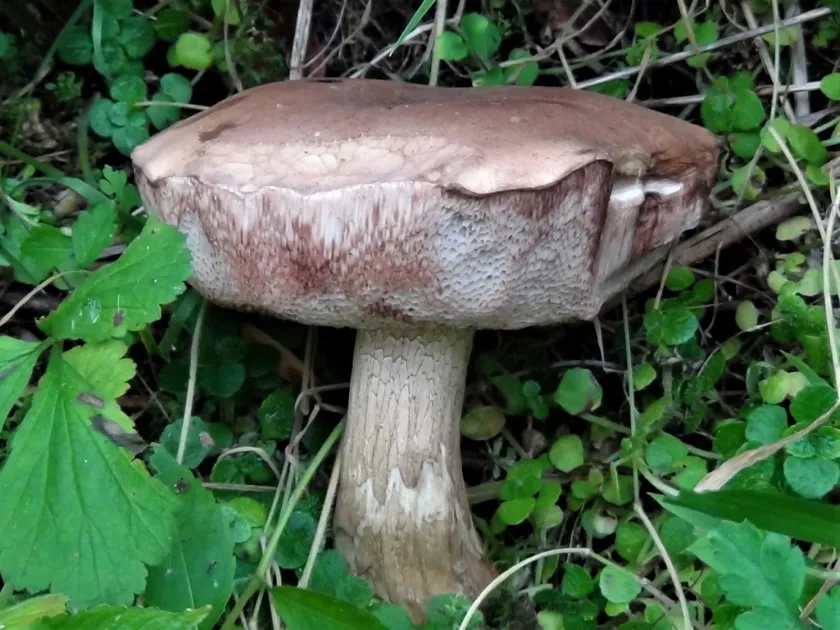
The primary identification feature is the fruiting body, which resembles a classic porcini mushroom but possesses a dirty pinkish hue on the pores of mature specimens.
The cap is typically brownish, convex, and smooth, often blending into the leaf litter, making it difficult to detect in shady areas.
A distinctive characteristic of Tylopilus felleus is the dark, prominent reticulation on the stem, which is easily visible against the paler surface.
The flesh is firm and white, often showing little to no color change when cut, but it is notoriously bitter and inedible.
Soil in affected areas may show reduced grass growth and altered chemical properties due to the concentrated activity of the fungal mycelium.
Pathogen
The Bitter bolete, scientifically known as Tylopilus felleus, belongs to the Boletaceae family and is commonly found in woodland areas and garden landscapes.
In agronomic terms, it is considered a saprotrophic fungus that can interact with the root systems of trees and woody plants, often acting as a competitor for soil nutrients.
The fungus develops an extensive mycelial network in the upper soil layers, thriving in acidic environments rich in decaying organic matter.
While not a primary pathogen like rust or blight, it can disrupt the natural balance of beneficial soil microorganisms and mycorrhizal associations.
The lifecycle includes the production of large fruiting bodies that release countless spores, allowing the fungus to colonize new areas under favorable weather conditions.
Conditions for development
The Bitter bolete thrives in acidic, moist soils with poor drainage, which creates a perfect medium for its underground mycelial growth.
High accumulation of pine needles, wood chips, and decomposing organic debris in tree bases provides the essential nutrients the fungus requires.
Warm, rainy summer months trigger rapid maturation of the fruiting bodies, leading to widespread spore distribution through wind and insects.
Shaded, low-light environments are preferred by the fungus, as they prevent soil desiccation and maintain the consistent moisture levels needed for its survival.
Soil compaction and lack of oxygen can disadvantage the host plant while providing a competitive edge to this opportunistic fungal species.
Why it matters
The primary damage caused by this fungus is the depletion of soil nutrients and potential competition with beneficial mycorrhizal networks essential for plant health.
By occupying the rhizosphere, the fungal network can restrict water and mineral absorption for garden trees and shrubs, leading to reduced vigor.
The continuous accumulation of fungal waste products can shift the soil pH, creating a less hospitable environment for sensitive garden crops.
Large colonies can make the gardening site look untidy and may require intensive labor to remove, especially in highly maintained landscape areas.
Plants weakened by the presence of competing fungal networks become more susceptible to environmental stressors, pests, and secondary disease attacks.
Protection
The most effective strategy is to adjust soil pH through liming, as this fungus strongly prefers acidic soil and cannot survive well in neutral or slightly alkaline conditions.
Regular sanitation of the garden is crucial; removing decaying wood, needles, and excessive organic mulch deprives the fungus of its food source.
Improving soil drainage and aeration through regular cultivation and tilling helps to suppress mycelial development in the upper root zones.
Early manual removal of fruiting bodies before they release spores can significantly slow down the spread of the fungus across the garden plot.
Incorporating beneficial microbial inoculants or biological fungicides can help restore soil health and establish competitive pressure against the Bitter bolete.
Discussion
No discussions yet — be the first.