
Bisporella
Bisporella
Description
Symptoms
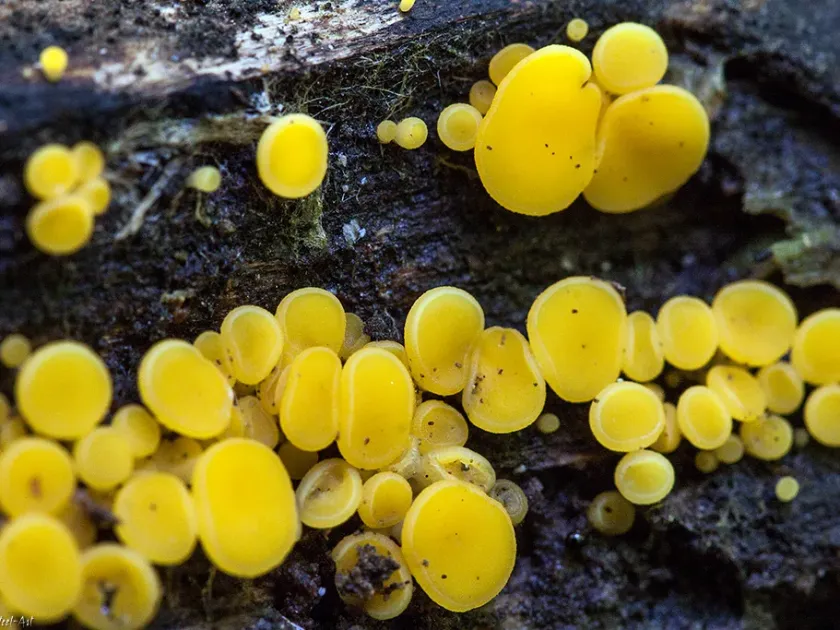
The primary identification feature is the presence of bright yellow to lemon-yellow disc-shaped fruiting bodies, known as apothecia, which measure 1 to 5 millimeters in diameter.
These fungi typically emerge in dense clusters, sometimes covering large surfaces of damp, rotting logs, stumps, or fallen branches in dense carpets of yellow.
The affected wood often shows visible signs of decay, appearing softer, spongy, and significantly more porous than healthy wood tissue in the vicinity.
The surface texture of the decaying wood may become discolored or damp. Over time, as the environment becomes drier, the fruiting bodies may fade or shrivel, losing their initial vibrancy.
Observing these fungi is a reliable indicator that the substrate they inhabit is already dead or severely compromised, signifying the presence of long-standing decay.
Pathogen
The genus Bisporella belongs to the class Ascomycota. Its most well-known species, Bisporella citrina, is frequently referred to as the "yellow fairy cup" or "lemon drops" fungus due to its striking appearance.
This organism is a saprotroph, meaning it feeds on dead or decaying organic matter. It does not act as a pathogen to healthy, living plant tissues, as it lacks the capacity to bypass active immune defenses.
Bisporella specializes in decomposing complex plant structures. It releases enzymes that break down lignin and cellulose, which are the fundamental components of wood cell walls.
In biological terms, it is a primary decomposer. It plays a significant role in nutrient cycling within forests and gardens by turning dead biomass back into soil-enriching substances.
Its life cycle depends heavily on moisture. The production of the characteristic fruiting bodies typically occurs during periods of high humidity, particularly in autumn and spring.
Conditions for development
Moisture is the primary driver of development. Bisporella requires a consistently damp environment to maintain its mycelial network and produce visible fruiting bodies.
It favors shaded and protected locations, such as forests or garden areas with limited sunlight, where moisture evaporates slowly from the wood surface.
The temperature range for optimal growth is generally cool to moderate. The fungi are most active following prolonged rainfall or during humid, overcast seasons.
The presence of physical damage, such as cracks, mechanical wounds, or insect galleries, provides easy access for fungal spores to colonize the interior of the wood.
Poor garden maintenance, such as leaving piles of decaying wood or debris in contact with soil, facilitates the buildup of fungal spores in the local microclimate.
Why it matters
Bisporella poses no direct harm to healthy, vigorous plants. Since it cannot infect living tissue, it is not considered a threat to healthy trees or shrubs.
The potential harm is limited to the structural degradation of wooden garden structures, such as fences, raised beds, or wooden stakes, especially when they are constantly exposed to moisture.
In a horticultural context, its presence on a tree indicates that the specific section of the tree is dead, which may suggest underlying health issues or a need for corrective pruning.
While ecologically beneficial, the presence of these fungi on wood products can reduce their longevity, making them brittle and prone to structural failure.
Decayed branches colonized by such fungi are more likely to snap under heavy wind or snow loads, potentially causing collateral damage to the surrounding environment.
Protection
The most effective management strategy is regular sanitary pruning. Removing dead or diseased branches prevents the accumulation of suitable substrates for the fungus.
Garden hygiene is critical; all dead wood, stumps, and fallen debris should be promptly cleared away to minimize the availability of host material for saprotrophic fungi.
Applying protective wound sealants or antiseptics to fresh pruning cuts can prevent the entry of moisture and fungal spores, thereby protecting the wood from colonization.
Maintaining strong tree vigor through proper irrigation, fertilization, and pest management is the best way to ensure the plant remains resistant to environmental stresses.
- Conduct periodic garden inspections for dead wood.
- Ensure adequate air circulation around tree trunks.
- Dispose of wood waste away from healthy plants.
Discussion
No discussions yet — be the first.