
Aureobasidium pullulans
Aureobasidium pullulans
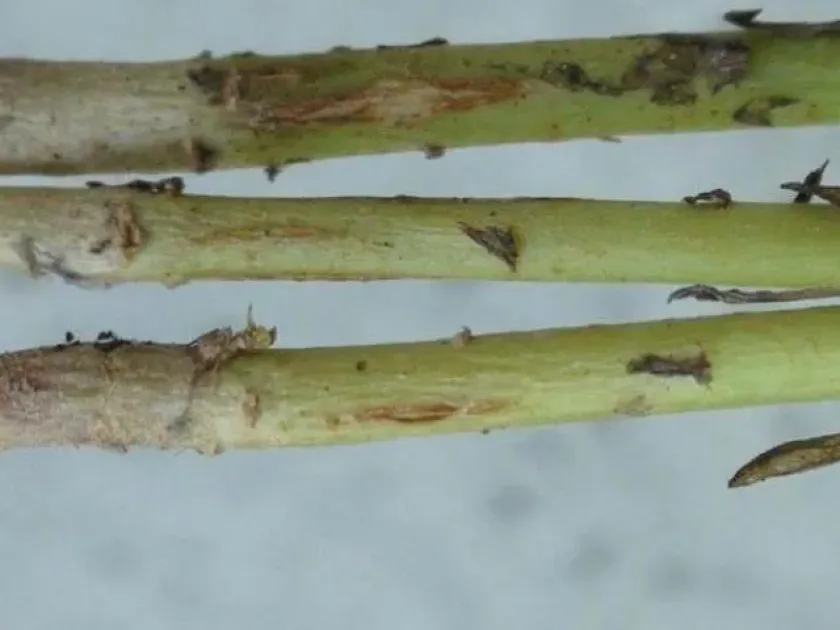
Description
Symptoms
The primary symptom of infection by Aureobasidium pullulans is the appearance of a dark, soot-like fungal growth on the surface of plant organs. This black, powdery or oily-looking layer can cover leaves, stems, and fruits, significantly altering the plant's appearance.
On fruits such as apples, grapes, or stone fruits, the fungus typically colonizes areas with microscopic cracks or skin damage. The dark deposits are persistent but can sometimes be wiped off, revealing compromised plant tissue underneath.
Plants affected by this fungus may show signs of inhibited gas exchange. As the fungal mat covers the stomata on the leaves, the plant struggles with photosynthesis, which can lead to localized chlorosis or general weakness in the affected area.
Unlike some aggressive pathogens, this fungus does not usually cause deep, destructive rot of the fruit pulp immediately. However, its presence serves as a pathway for more damaging secondary infections that can cause rapid decay in post-harvest conditions.
In many cases, the growth appears in patches rather than uniformly, often tracing patterns of rainfall runoff on leaves. Observing these patterns helps agronomists distinguish it from other types of leaf spots that are caused by systemic infections.
Pathogen
Aureobasidium pullulans is a yeast-like, polymorphic fungus belonging to the class Dothideomycetes. It is widely recognized for its ability to adapt to extremely diverse ecological niches, ranging from soil and water to the surfaces of healthy plant tissues.
A key biological characteristic of this pathogen is its ability to grow both as a yeast and as a filamentous fungus. This flexibility allows it to respond rapidly to changes in the environment, switching forms to maximize its survival and colonization efficiency.
The fungus produces melanized cell walls, which provide significant protection against UV radiation and desiccation. This adaptation allows the pathogen to remain viable on plant surfaces for extended periods, even during hot and dry conditions.
Reproduction is primarily asexual, involving the rapid production of blastospores and conidia. These spores are easily disseminated by wind, rain splashes, and insects, ensuring the fungus can spread across large fields or orchards very quickly.
Genetic studies have highlighted the extreme diversity of Aureobasidium pullulans strains. Some strains can act as epiphytes or even biocontrol agents, while others under specific conditions behave as pathogens, highlighting the complex nature of this organism in agriculture.
Conditions for development
High relative humidity is the most critical factor for the development of this fungus. Consistent moisture, such as prolonged morning dew or frequent rainfall, creates a film of water on plant surfaces that is essential for spore germination and colony expansion.
The fungus thrives in moderate temperature ranges, typically between 20°C and 25°C. While it is adaptable to cooler environments, these optimal temperatures lead to rapid population explosions that can quickly cover large surfaces of host plants.
The presence of sugar-rich substances, commonly known as honeydew, acts as a powerful stimulant for fungal growth. Insects such as aphids and whiteflies, which excrete honeydew, are therefore major contributors to the spread of Aureobasidium pullulans.
Poor aeration in dense plantings or canopies creates localized microclimates with stagnant air. These environments are prone to maintaining high humidity levels, making it difficult for the plant surface to dry out after irrigation or rainfall.
Mechanical injuries resulting from hail, pest feeding, or pruning provide nutrients and physical entry points. In these locations, the fungus finds a rich substrate of plant sap, which accelerates its colonizing activity significantly.
Why it matters
The primary economic impact is the degradation of crop quality. Products covered with black, soot-like growths are often rejected by consumers, leading to significant financial losses for producers who cannot meet strict cosmetic standards for fresh produce.
Heavy colonization interferes with the plant's metabolic processes. By reducing photosynthetic surface area, the fungus hinders the plant's ability to produce energy, which can result in lower yields and poor fruit sugar content.
The fungus significantly reduces the shelf life of harvested produce. Contaminated fruits are more prone to rapid breakdown during transportation and storage, as the fungal mat may harbor or attract other post-harvest spoilage organisms.
Economic damage also stems from the increased cost of production, including the necessity for repeated fungicide applications and increased labor costs for cleaning or sorting affected produce before it can be sent to market.
In perennial crops, chronic infection can weaken the plant over time. This depletion of energy reserves makes the plant more susceptible to environmental stressors and other diseases, potentially leading to long-term decline in orchard health.
Protection
Effective management begins with strict sanitation and horticultural practices. Pruning to maintain an open canopy ensures good airflow and light penetration, which helps reduce surface moisture and discourages fungal development.
Integrated pest management (IPM) is essential to control the insects that provide the sugary honeydew favored by the fungus. By eliminating aphids and other sucking pests, you remove the primary substrate that supports the pathogen's growth.
Fungicide applications should be used as a preventative measure, particularly during critical development stages when humidity is high. Copper-based and contact fungicides can create a protective barrier on the fruit and leaf surfaces.
- Maintaining proper orchard or field sanitation by removing debris.
- Monitoring pest populations regularly to prevent honeydew accumulation.
- Optimizing irrigation systems to minimize leaf wetness.
- Exploring the use of beneficial microorganisms that can naturally suppress fungal growth.
Regular monitoring during the fruit maturation period allows for early detection of potential outbreaks. By acting quickly, growers can minimize the spread of the fungus and reduce the need for intensive chemical interventions later in the season.
Discussion
No discussions yet — be the first.