
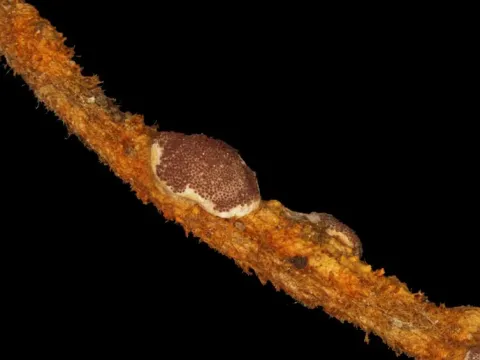
Ascopolyporus
Ascopolyporus
Ascopolyporus refers to a genus of fungi belonging to the Ascomycota class, known to cause specific plant diseases. These fungi often maintain complex ecological relationships with insects, which can act as vectors for the pathogen.
What the section contains
Ascopolyporus
The life cycle of the pathogen involves the production of stromatic tissues, which harbor fruiting bodies responsible for releasing spores. This biological mechanism allows the fungus to survive under various environmental conditions and successfully colonize new hosts.
The infection process typically begins when spores enter plant tissues through natural openings or wounds created by insect activity. Understanding the specific biology of this pathogen is crucial for accurate field identification and disease management.
This type of disease is classified as a fungal infection. The pathogen exhibits a high capacity for persistence in plant debris and soil, making it a challenging agent to manage within intensive agricultural systems.
Mycological characterization requires specialized laboratory analysis. Because the symptoms can be easily confused with other biotic or abiotic factors, accurate diagnosis is the first step in implementing an effective control strategy.
The primary symptom of Ascopolyporus infection is the development of visible stromatic growths on stems or leaves. These structures often change in color and texture as the fungus matures and spreads within the host tissue.
Affected plant tissues often display signs of deformation and chlorosis. As the fungus consumes nutrients, the infected areas turn brown or necrotic, leading to a loss of structural integrity in the affected plant parts.
Early-stage infections may be nearly invisible to the naked eye. However, close inspection might reveal thin layers of mycelium spreading beneath the plant surface, particularly in humid microclimates.
Significant infestations lead to stunted growth and general plant decline. If the infection reaches the vascular system, the plant may wilt prematurely, preventing the normal development of flowers and fruits.
A distinctive odor of decay often accompanies severe infection, indicating the breakdown of plant cells by fungal enzymes. This symptom is a strong indicator that the plant tissue is no longer viable and requires immediate removal.
Ascopolyporus thrives under conditions of high humidity and moderate temperatures. These environmental factors promote the rapid germination of spores and facilitate the subsequent colonization of the host plant.
The presence of insect vectors is a critical factor for the spread of the disease. Insects frequently transmit the fungus between plants while feeding, thereby increasing the overall infection pressure in the field.
High planting density is conducive to the disease because it reduces airflow and maintains constant moisture levels in the canopy. Such conditions provide an ideal environment for the pathogen to multiply.
Mechanical damage to plants, whether from farming equipment or environmental stressors like hail, acts as a primary entry point for the fungus. Maintaining plant vigor is essential to resist initial infection.
The lack of crop rotation leads to the accumulation of inoculum in the soil. Repeatedly growing the same host crop increases the probability of an epidemic, as the pathogen consistently finds a suitable environment to overwinter.
The harmful impact of Ascopolyporus is primarily observed in significant yield reduction. Infected crops often produce poor-quality fruit or grain, which is unfit for commercial distribution or long-term storage.
The infection disrupts essential physiological processes such as photosynthesis and transpiration. This depletion of resources leads to a shortened growth cycle and increased plant mortality across the affected area.
Economic losses arise not only from reduced productivity but also from the increased costs associated with disease management, disinfection, and potential crop disposal. Farmers may also suffer from loss of market competitiveness.
The disease poses a threat to the stability of the entire agro-ecosystem. Infected fields can serve as a reservoir for the pathogen, necessitating intensive interventions to protect neighboring plots.
Over time, recurring infections can degrade the overall health of the land, forcing producers to switch to less profitable or less vulnerable crop varieties to maintain agricultural viability.
The most effective strategy for controlling Ascopolyporus is the strict enforcement of quarantine protocols and the use of certified, disease-free planting materials. Prevention is significantly more effective than treatment.
Agricultural management should prioritize the removal and destruction of crop residues that could harbor the fungus over the winter. Deep plowing helps to reduce the inoculum density in the soil.
Integrated pest management (IPM) is essential to control insect vectors. By reducing the population of insects that transport spores, the transmission rate of the pathogen can be effectively mitigated.
Preventive fungicide applications can be utilized during high-risk periods when environmental conditions favor disease development. Always follow local phytosanitary recommendations when selecting and applying chemical treatments.
Cultivating resistant crop varieties remains the most sustainable long-term solution. Regular monitoring of crop health ensures early detection, allowing for rapid intervention before the infection can spread across the farm.