
Ascomycotina diseases
Ascomycota
Ascomycotina diseases comprise a vast group of plant pathologies caused by fungi from the Ascomycota division, often referred to as sac fungi. The defining characteristic of these pathogens is the production of spores within specialized structures called asci.
What the section contains
Ascomycotina diseases
These fungi act as parasites on a wide range of agricultural crops, including cereals, fruits, vegetables, and ornamental plants. They are remarkably resilient, capable of persisting in the soil, on plant debris, within seeds, or inside the tissues of perennial hosts.
The pathogenic strategies of Ascomycota are highly diverse, ranging from vascular wilts and leaf spots to fruit mummification and cankers. This flexibility allows them to thrive in various niches and complicates the development of universal treatment strategies.
The life cycle of these fungi often involves both sexual (ascospores) and asexual (conidia) stages, providing them with significant genetic variability. This adaptation enables them to quickly overcome plant defenses and develop resistance to traditional fungicides.
Major plant diseases such as powdery mildew, apple scab, septoria leaf blotch, and various blights are caused by ascomycetes. Their widespread presence makes them one of the primary concerns for phytopathologists worldwide.
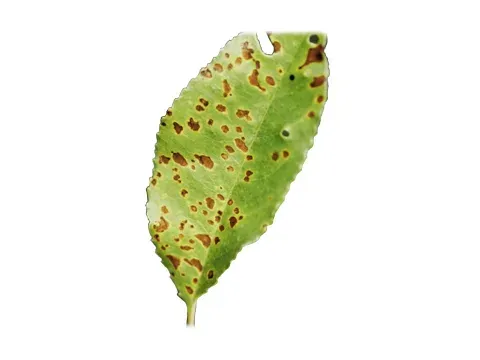
The symptoms of Ascomycotina diseases are diverse, but they frequently manifest as localized necrosis or spots on leaves and stems. These spots vary in color and size, often showing a distinct border as the tissue dies due to the fungal infection.
A key diagnostic feature is the emergence of microscopic fungal fruiting bodies, such as perithecia, pseudothecia, or pycnidia, on the surface of infected plant parts. These structures indicate the maturity of the pathogen and the upcoming release of spores.
Deformation of plant parts is also common, including leaf curling, stunted growth of internodes, or malformed fruit. In severe cases, the infected stems may crack or develop deep lesions, exposing the inner tissues to secondary infections.
Systemic infections often lead to chlorosis and premature leaf drop, which severely hinders the plant's ability to photosynthesize. Wilt-inducing ascomycetes cause rapid drooping of leaves, which is often misidentified as drought stress in the early stages.
- Fungal growth (mycelium) on plant surfaces.
- Brown or necrotic spotting on leaves.
- Mummification of infected fruits.
- Development of visible fruiting bodies (pycnidia).
- Stunted plant development and loss of vigor.
The development of most Ascomycotina diseases is highly dependent on humidity and temperature. Periods of high relative humidity, rain, or heavy dew provide the essential conditions for spore germination and successful host penetration.
Poor agricultural practices, such as excessive plant density or inadequate air circulation in greenhouses, facilitate the rapid spread of the disease. Stress factors, including nutritional imbalances or water stress, further increase the susceptibility of the crop.
Spore dissemination occurs primarily via wind (anemochory), water splashes (hydrochory), and physical contact with contaminated tools or clothing. In controlled environments, insect vectors may also play a role in spreading the infection between plants.
Fungal activity is generally highest within a moderate temperature range, though many species are adapted to thrive in a wide variety of climates. Their ability to remain dormant under harsh conditions allows them to survive until the next growing season.
Monoculture practices significantly aggravate the disease pressure by building up a large pool of fungal inoculum in the soil. Without appropriate crop rotation, the disease cycle remains unbroken, leading to severe outbreaks year after year.
The economic impact of Ascomycotina diseases is measured in significant yield reductions and diminished product quality. Infected crops often suffer from lower mass, poor nutritional value, and an overall reduction in shelf life, making them less marketable.
In cereal production, damage leads to shriveled grains and lower thousand-kernel weight, directly affecting the final harvest. In horticultural settings, infected fruits are prone to rapid rot during storage, resulting in substantial post-harvest losses.
Many ascomycetes produce mycotoxins, which pose a severe health risk to both humans and animals. These toxins are often heat-stable, meaning that even processed goods can remain contaminated and hazardous, leading to strict regulatory rejections of harvests.
Plants affected by these fungi show reduced resilience to environmental stress, including frost and pests. The energy diverted to host defense mechanisms prevents the plant from reaching its full potential, leading to lower yield consistency.
The cost of implementing management strategies—such as fungicide applications and monitoring—adds to the overall burden. In epidemic years, the cost of protection and losses can lead to severe financial strain for agricultural producers.
Effective management requires an integrated approach that prioritizes prevention and cultural practices. Crop rotation remains the most critical measure to break the life cycle of the pathogen and prevent the build-up of inoculum in the field.
The use of resistant or tolerant cultivars is a cornerstone of sustainable disease management. Breeding programs focus on creating varieties that can withstand common local strains of ascomycetes, reducing the need for chemical intervention.
Sanitation practices, including the removal and destruction of crop residues, significantly reduce the sources of primary infection. Deep plowing and weed control are essential for eliminating potential reservoirs for the fungus during the off-season.
Chemical control involves the strategic application of fungicides. It is vital to apply these treatments preventively according to local monitoring data rather than waiting for visible symptoms, and to rotate chemical classes to prevent resistance development.
Biological control, using antagonistic microorganisms like Trichoderma spp., offers a promising alternative in organic and sustainable farming systems. These beneficial agents compete with pathogens for nutrients and space, creating a healthier environment for the host plant.