
Ascotremella
Ascotremella
Ascotremella is a genus of fungi within the class Ascomycota. The most recognized species, Ascotremella faginea, is primarily identified as a wood-decaying saprotroph that plays a significant role in forest ecology.
What the section contains
Ascotremella
As a xylotrophic organism, it focuses on decomposing lignin and cellulose in dead wood. While it is rarely a primary pathogen of healthy, vigorous plants, it thrives on decaying organic matter found in forests and managed gardens.
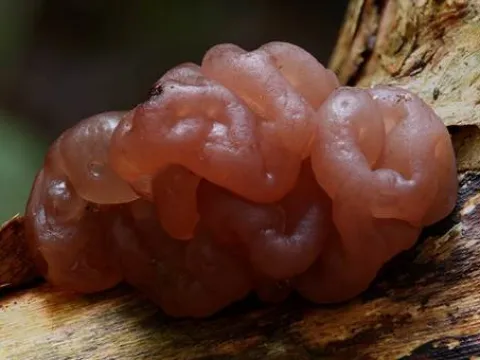
The fungus develops distinctive fruiting bodies that often cluster into gelatinous, brain-like masses. Their appearance and density change depending on the environmental moisture, ranging from soft to slightly firmer textures.
The life cycle involves the release of spores from microscopic structures called asci. These spores are wind-dispersed, allowing the fungus to colonize new substrates whenever environmental conditions, such as humidity and temperature, align.
From a biological standpoint, Ascotremella is a natural decomposer. However, in an agricultural or ornamental context, its presence on living specimens often signals a lack of sanitation or a decline in the tree's internal resilience.
The most visible sign of an Ascotremella infection is the formation of striking purple to brownish-purple gelatinous growths on the bark of deciduous trees, particularly beech and oak.
These fruiting bodies often emerge in dense clusters or convoluted ridges. During wet periods, they become quite prominent and may cover large areas of dead or dying bark, making them easily identifiable to observers.
Internal wood decay is a hallmark of this fungus. As the mycelium penetrates the wood, the tissue loses its structural integrity, becomes brittle, and may eventually hollow out, increasing the risk of structural failure.
Early-stage colonization can be subtle, manifesting as a slight discoloration or softening of the bark where moisture has accumulated in crevices or old wounds, providing the perfect starting point for the fungus.
Upon breaking or removing the fruiting bodies, one may notice the altered texture of the substrate, which appears degraded and porous compared to the surrounding healthy wood tissue.
High moisture levels are the primary trigger for the development of Ascotremella. Frequent rain, persistent fog, and high humidity in sheltered or shaded areas are essential for its proliferation.
The fungus favors substrates with a high moisture content, which is why it is most commonly found on dead branches, stumps, or areas of the trunk where water tends to collect and soak the wood.
Moderate temperatures during the spring and autumn months provide the optimal metabolic environment for the fungus to grow rapidly and produce visible reproductive fruiting bodies on the surface.
Mechanical damage to the bark acts as a major facilitator for infection. Open wounds caused by frost, pruning, or insects expose the nutrient-rich wood, allowing fungal spores to gain a foothold and begin mycelial colonization.
Poor aeration in dense plantings creates a stagnant, humid microclimate that favors the growth of wood-decaying fungi. Lack of sunlight and air circulation inhibits the drying process of the bark, further encouraging fungal activity.
The harm caused by Ascotremella relates primarily to the structural degradation of the tree. While it may not kill the tree immediately, it compromises the strength of the wood, making it susceptible to windthrow and breakage.
By retaining moisture, the fungal colonies facilitate the establishment of other, more aggressive pathogens that can attack living cambium tissue, leading to localized cankers and long-term decline of the plant.
For ornamental trees, the visual presence of these growths is highly undesirable. The progressive destruction of the bark and supporting tissues can eventually lead to the loss of entire scaffolds or branches.
Damaged tissues provide an inviting environment for various secondary pests, including bark beetles, which capitalize on the tree's declining health to establish their own galleries, further accelerating the wood destruction.
In a forest or garden management plan, the appearance of Ascotremella serves as a warning sign of poor sanitation. If left unchecked, the accumulation of fungal spores can increase the pressure on all vulnerable trees in the area.
Sanitation is the cornerstone of control. Regularly remove and dispose of dead branches, stumps, and fallen wood that could serve as a reservoir for fungal spores and mycelial growth.
Proper wound care is essential. All mechanical injuries should be cleaned to reveal healthy wood and treated with specialized fungicides or wound sealants to prevent colonizing pathogens from entering.
Pruning trees to open up the canopy improves light penetration and air circulation. This effectively lowers the humidity around the trunk and branches, making the environment less hospitable to moisture-loving fungi.
Preventive application of copper-based fungicides during the dormant season can create a protective barrier on the bark, preventing spore germination when environmental conditions are conducive to fungal activity.
Always practice good tool hygiene. Disinfect pruning saws and shears between trees, especially after working on infected specimens, to prevent cross-contamination and the spread of fungal spores across the garden.