
Ascotremella faginea
Ascotremella faginea
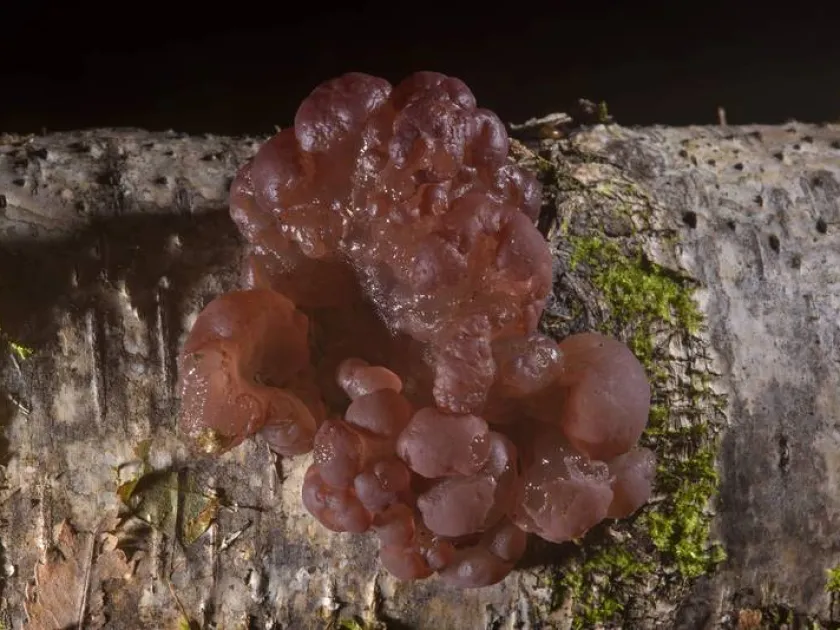
Description
Symptoms
The primary symptom of infestation is the emergence of visible fruiting bodies on the bark of the host tree. These structures appear as clusters that are purple to brownish-purple in color, often exhibiting a convoluted, brain-like shape.
When environmental humidity is high, the fruiting bodies are soft and gelatinous to the touch. During drier periods, they tend to shrivel and darken, potentially turning almost black, which can make them harder to identify.
The wood underneath the site of infection undergoes structural degradation. It often becomes soft, brittle, and may exhibit discoloration as the mycelium actively feeds on the cell wall components of the wood.
Infections are most commonly found on tree trunks where bark has been damaged by frost, mechanical impact, or insect activity. These entry points provide the fungus with easy access to the inner tissues.
- Appearance of gelatinous, brain-like purple clusters.
- Softening and discoloration of bark tissue.
- Gradual loss of wood integrity and mechanical strength.
- Presence of dark-colored withered structures in dry conditions.
Pathogen
The causal agent of this condition is the fungus Ascotremella faginea, which belongs to the class of ascomycetes. It is primarily a saprotrophic organism specialized in colonizing dead or decaying woody substrates, particularly beech trees.
Biologically, this species is known for producing distinctive, gelatinous, and brain-like fruiting bodies. The fungus employs a complex system of enzymes to break down lignin and cellulose, effectively recycling nutrients from the decaying wood.
The lifecycle of Ascotremella faginea involves the production of spores that are easily disseminated by wind, rain, and insects. Once established on a suitable surface, the mycelium penetrates the bark and begins its decay process.
While often categorized as a secondary pathogen, its presence is a clear indicator of physiological stress or decay within the tree. It thrives where the wood has been compromised by environmental factors or mechanical injury.
As an ascomycete, it plays a vital role in forest ecology by participating in the decomposition process, even though it can be problematic in managed forest stands.
Conditions for development
The growth of Ascotremella faginea is highly dependent on humidity. High moisture levels, common in shaded or dense forest environments, are essential for the formation and development of its fruiting bodies.
Moderate temperatures provide the ideal window for the fungus to metabolize and grow. While it remains dormant in freezing temperatures, the fungus is capable of surviving until conditions become favorable again.
Dense tree stands with poor air circulation are particularly prone to fungal outbreaks. High levels of moisture trapped in the air allow spores to settle and colonize new surfaces efficiently.
The health status of the tree is a significant factor. Trees already weakened by drought, disease, or physical damage provide a vulnerable substrate that the fungus can colonize far more easily than healthy wood.
Overall, the proliferation of this fungus is linked to microclimatic conditions that favor sustained moisture and the presence of decomposing woody debris.
Why it matters
The primary damage caused by Ascotremella faginea is the degradation of wood tissue, which drastically reduces the quality and commercial value of timber. The structural breakdown can render affected logs useless.
In ornamental and landscape settings, the presence of the fungus significantly degrades the aesthetic appeal of the trees. The visible growth and signs of decay indicate that the tree's health is in decline.
The decay process compromises the structural stability of the tree trunk, which can lead to branch failure or even the premature death of the tree if the infection is widespread.
As the tree weakens, it becomes a magnet for other pathogens and boring insects, creating a cycle of decline. This secondary colonization often results in more severe health issues than the fungus alone.
Management of affected stands often incurs significant costs, including the necessity for sanitation cuts and the loss of long-term productivity from the affected trees.
Protection
The most effective strategy for managing this fungus is the removal of infected wood and dead trees (sanitation felling). By removing the source of spores, the risk to nearby healthy trees is greatly reduced.
Maintaining appropriate planting density through regular thinning is essential. Improving air circulation reduces humidity levels around the trunks, creating an environment that is less hospitable to the fungus.
Minimizing mechanical injury during forestry operations is crucial. Protecting the bark from physical damage helps maintain the tree's natural defense against fungal pathogens.
Monitoring for signs of Ascotremella faginea should be integrated into standard forest management practices. Early detection allows for targeted action before the fungus spreads across the stand.
While chemical treatments are occasionally used in high-value ornamental trees, they are generally not feasible for large forest areas, making silvicultural management the primary tool for control.
Discussion
No discussions yet — be the first.