
Ascoideaceae
Ascoideaceae
Ascoideaceae belong to the class Saccharomycetes and represent a specific group of fungi. The pathogens of these diseases are microscopic organisms often associated with woody plants and wood-boring insects.
What the section contains
Ascoideaceae
The type of disease is classified as a mycosis, which mainly affects the tissues of trees weakened by external factors or damaged by pests. The pathogen enters the plant through mechanical damage to the bark.
The biological feature of these fungi lies in their ability to form asci — special sacs in which spores develop. This determines their life cycle and the modes of infection spread in orchards and forests.
The fungus is primarily parasitic or semi-saprophytic in its lifestyle. During feeding, it degrades the host plant's cell walls, using enzymatic apparatus to decompose the wood.
Classification of the pathogen requires laboratory diagnosis, as the microscopic features of Ascoideaceae often overlap with other ascomycetes developing on weakened wood.
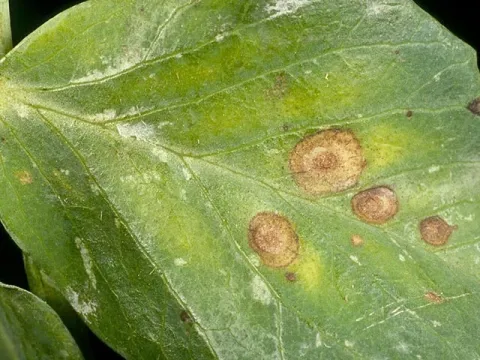
Symptoms appear as a general decline in tree health, which is externally expressed by premature yellowing or leaf fall. Characteristic spots or necrotic zones often form on the bark.
In the areas of pathogen entry, changes in wood color may be observed, which upon detailed inspection reveal specific darkening or decay foci. Moisture inside the affected areas promotes active mycelium growth.
At high infection concentrations, a coating consisting of the fungus's spore-bearing structures may appear on the bark surface or within insect galleries. This is the most evident sign of the active disease phase.
The plant begins to show signs of "dieback" or the drying of individual scaffold branches. This is due to the fungus disrupting the transport of water and nutrients through the vascular system.
- Discoloration of the bark in affected areas.
- Local necrosis of the trunk and large branches.
- Delay in spring growth processes.
- Presence of specific growth or coating in insect galleries.
The development of Ascoideaceae depends directly on temperature conditions and environmental humidity levels. Optimal conditions for spore germination are warm weather with frequent precipitation.
The presence of mechanical damage to the bark, caused by insect pests or pruning tools, is a critical factor for the onset of infection. The fungus uses these "gateways" for invasion.
Reduced plant immunity due to adverse soil and climatic conditions makes it more susceptible to infection. Stress from drought or waterlogging exacerbates the risk of infestation.
Spore dispersal occurs via air currents, raindrops, and insects that carry the inoculum from infected trees to healthy ones. Planting density also influences the rate of spread.
Overwintering of the pathogen occurs in wood debris or bark crevices, where the fungus maintains viability in the form of resting structures (spores or mycelium), activating when favorable spring temperatures arrive.
The main damage caused by Ascoideaceae involves the gradual destruction of woody tissues, leading to a significant loss of productivity in fruit crops or the ornamental value of plantings.
Prolonged infestation often becomes fatal to the plant, as deep fungal penetration destroys the structural integrity of the trunk. This makes the tree prone to snapping during strong winds.
The disease leads to a substantial decrease in yield and fruit quality. The plant diverts all its resources to fighting the infection at the expense of reproductive function and nutrient storage.
Economic damage includes the costs of treating damaged trees, the need for sanitary logging, and the loss of a portion of the harvest during the active growing season.
In nurseries, infestation can lead to the total culling of seedlings, causing serious financial losses for agricultural enterprises engaged in nursery stock production.
Prevention begins with maintaining high agricultural standards: timely fertilization, proper irrigation, and regular sanitary pruning help the tree resist infection.
Control of wood-boring insect populations is necessary, as they are primary vectors and create conditions for fungal entry. Insecticide treatments are mandatory within an integrated protection framework.
All bark damage and pruning cuts must be immediately treated with healing compounds or fungicidal pastes. This closes the path for pathogen spore entry.
When clear signs of the disease are discovered, sanitary removal of affected areas followed by tool disinfection is required. Removed wood parts must be burned away from the orchard.
The use of broad-spectrum fungicides during periods of high infection risk allows for suppressing mycelium development at early stages, preventing epiphytotics within the site.