
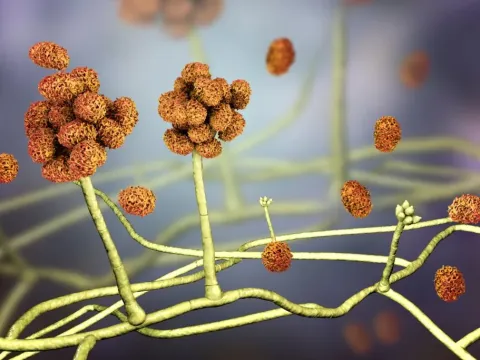
Ascotricha
Ascotricha
The disease is caused by fungi of the genus Ascotricha, which belong to the Chaetomiaceae family. These fungi are predominantly saprotrophs that thrive on decaying plant materials, though they can act as opportunistic pathogens under favorable conditions.
What the section contains
Ascotricha
Ascotricha species are characterized by the production of dark, hair-covered perithecia. The identification of these structures is essential for accurate diagnostics in phytopathological laboratory testing of seeds and soil samples.
The fungus secretes enzymes capable of decomposing cellulose, which facilitates its colonization of plant tissues. This enzymatic activity is a major factor in the biological degradation of seeds and crop debris.
Dissemination occurs primarily through the production of conidia, which are easily transported by wind, rain splashes, and human activities. This rapid dispersal mechanism allows the fungus to spread across large agricultural fields.
The mycelium can persist in the soil for extended periods, remaining dormant until the environmental conditions support germination. This persistence makes the pathogen a constant challenge in intensive farming systems.
High relative humidity (exceeding 85%) and warm temperatures (ranging from 20°C to 28°C) are the primary factors that trigger the growth and development of Ascotricha fungi.
Inappropriate storage conditions, such as high moisture levels in bulk grain, are the most frequent cause of outbreaks. Once moisture levels cross the critical threshold, the fungus can rapidly colonize stored goods.
Accumulation of crop residues on the soil surface provides an ideal substrate for the fungus to multiply. Fields with high levels of organic debris often show higher incidences of infection in subsequent growing seasons.
Mechanical injuries to seeds, caused by threshing equipment or insect activity, provide entry points for the fungal spores. Once inside the seed, the fungus can bypass natural biological barriers.
Lack of adequate ventilation in crop canopies or storage facilities creates localized humid microclimates, which significantly increase the speed of fungal colonization and development.
The primary damage caused by Ascotricha is the loss of seed viability. When seeds are heavily infected, they fail to germinate, resulting in sparse stands and significant losses for farmers.
When the pathogen infects growing plants, it affects the foliage and stems, leading to necrosis and premature senescence. This compromises the plant's ability to produce grain or fruit effectively.
In stored products, Ascotricha causes severe molding, leading to discoloration and the production of a musty odor. This renders the crop commercially unsalable and unsuitable for standard food processing.
Some strains are known to produce secondary metabolites, including mycotoxins, which can be hazardous if contaminated grain enters the food or feed supply chains.
Economic damage includes reduced yield, increased labor and chemical costs for disease management, and the potential total loss of harvest batches in storage due to spoilage.
The most effective strategy for controlling Ascotricha is the use of high-quality fungicide seed treatments. These chemicals protect the seeds and the developing seedlings from early-stage infections.
Good agricultural practices, such as deep plowing to bury infested crop residues, help reduce the amount of inoculum present in the field for the next planting cycle.
Implementing strict moisture management in warehouses is crucial for preventing outbreaks in storage. Proper aeration and the use of drying equipment keep grain moisture below the levels required for fungal growth.
Selecting varieties that show resilience to environmental stress can prevent early infections that often lead to secondary colonization by fungi like Ascotricha.
- Seed treatment with systemic fungicides
- Crop rotation to break the pathogen's life cycle
- Maintenance of low moisture levels in storage
- Effective residue management in fields
- Regular inspection of crops during the vegetative stage