
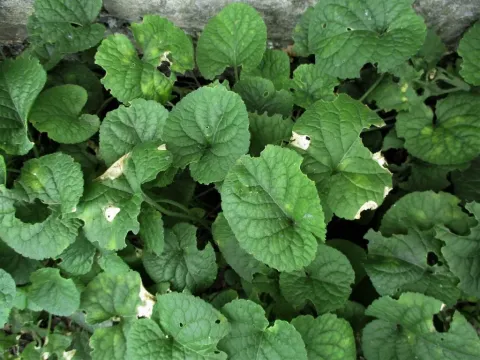
Ascochyta leaf spot of violet
Ascochyta violae
The disease is caused by the fungus Ascochyta violae, which is classified within the Sphaeropsidales order of the Coelomycetes class.
What the section contains
Ascochyta leaf spot of violet
This pathogen reproduces by forming pycnidia, which are tiny, flask-shaped fruit bodies that release spores to facilitate the spread of the infection.
The fungus is known to survive on infected plant debris, serving as a primary inoculum source for subsequent outbreaks in humid environments.
It acts as a typical leaf spot pathogen, infecting the host by penetrating leaf tissues through stomata or mechanical damage.
The biological cycle is heavily influenced by environmental moisture, which is essential for the germination of spores and the subsequent colonization of leaf tissues.
Symptoms of Ascochyta leaf spot on violets typically begin as small, round, or irregular brown lesions on the leaves.
As the infection progresses, these spots expand, often developing a pale, necrotic center with a dark, reddish-brown margin.
Characteristic small, black, pin-head-sized dots (pycnidia) appear within the dead tissue of the spots, identifying the presence of the fungus.
In advanced stages, individual spots may coalesce to cover large areas of the leaf, causing chlorosis, wilting, and eventual leaf death.
If the infection is not managed, it can spread to petioles and flower stalks, leading to the overall collapse of the affected violet foliage.
High humidity and temperatures ranging from +18°C to +25°C provide optimal conditions for the growth and spread of Ascochyta violae.
Poor ventilation in grow rooms or greenhouses significantly increases the risk of fungal outbreaks by preventing leaves from drying out.
Overhead watering, which leaves moisture on the surface of the leaves, creates the perfect environment for fungal spores to germinate and infect the plant.
Crowded planting layouts hinder airflow and promote a microclimate where moisture is trapped, facilitating the rapid transfer of spores between plants.
Plants that are stressed due to inadequate light, poor nutrition, or substrate mismanagement are significantly more susceptible to successful infection.
The primary harm caused by this disease is the severe degradation of the violet's aesthetic value, making it unattractive and unsuitable for display.
The pathogen destroys chlorophyll-containing tissue, which reduces the plant's photosynthetic capacity and slows down overall growth.
Severe infestations can lead to significant defoliation, which weakens the plant's root system and prevents healthy flowering.
Once established, the fungus can quickly spread to healthy plants in the same collection, posing a high risk of total crop loss.
Treatment and recovery are often resource-intensive, and persistent infections can lead to the loss of valuable cultivars or specimens.
Sanitation is the most critical control step; all infected leaves must be immediately removed and destroyed to reduce the spore load.
Modify watering practices to avoid overhead irrigation; use bottom-watering methods to keep the foliage dry at all times.
Application of systemic or copper-based fungicides can help manage the infection and protect healthy tissue from further colonization.
Improve air circulation by spacing plants appropriately and using fans to maintain a drier microclimate in the growing area.
- Isolate new plants before adding them to your collection.
- Disinfect all tools with alcohol or a bleach solution after touching infected plants.
- Use sterile, well-draining potting media for all repotting tasks.
- Maintain optimal light levels to boost the natural resistance of the plants.