
Ascocoryne
Ascocoryne
Ascocoryne is a genus of fungi belonging to the Ascomycota phylum. Its most recognizable member is Ascocoryne sarcoides, often known as the jelly drops fungus.
What the section contains
Ascocoryne
This organism typically functions as a saprotroph, meaning it feeds on dead organic matter, yet it often colonizes stressed or injured living hardwoods.
The life cycle is characterized by the production of gelatinous fruiting bodies, which serve as the primary stage for spore dispersal in the environment.
The fungus breaks down woody tissues through the secretion of enzymes that decompose complex plant polymers like lignin and cellulose.
Mycelial colonization often happens internally, making it difficult to detect the presence of the pathogen before external growth appears on the bark.
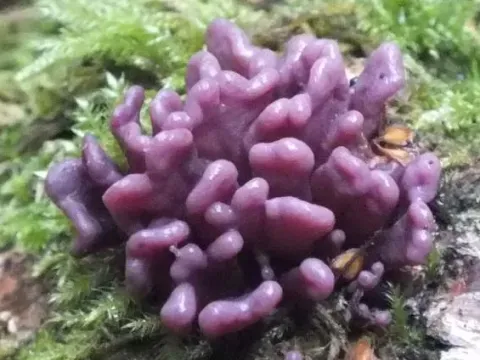
The most visible symptom is the development of bright purple or pinkish gelatinous clusters on the surface of tree bark or logs.
These fruiting bodies often appear clustered together, sometimes taking on a brain-like shape, especially after periods of high humidity.
Affected wood often exhibits visible discoloration, with internal parts of the stem potentially showing dark staining and rot.
The structural integrity of the wood decreases over time, leading to softness and brittleness in areas colonized by the fungus.
- Bright purple gelatinous blobs on bark.
- Internal wood discoloration and decay.
- Increased wood fragility and breakage in weakened branches.
Ascocoryne flourishes in environments with high moisture levels, making autumn and damp seasons primary periods for its proliferation.
It prefers colonizing deciduous hardwoods, including birch, oak, and beech, particularly where the protective bark layer has been breached.
Open wounds from pruning, storm damage, or frost cracks provide the entry points necessary for fungal spores to germinate and start internal growth.
Wind-borne spores move easily through forest landscapes, settling on damp surfaces where they can quickly establish new infection sites.
Dense canopies and poor air circulation in woodlots or gardens create the stagnant, humid conditions that favor long-term fungal survival.
The primary concern is the progressive decay of woody tissues, which leads to reduced timber quality and structural instability of affected trees.
In ornamental garden settings, the appearance of the fungus is often a sign of poor tree health and can detract from the visual aesthetic.
The decay process often invites secondary pests, such as wood-boring insects, which accelerate the destruction of the tree's internal structures.
In silviculture, widespread colonization can result in premature tree mortality and increased risks of windthrow during severe weather events.
Because the fungus targets already weakened trees, it acts as a stressor that significantly limits the recovery potential of the affected specimen.
Proper sanitation is the most effective approach, requiring the regular removal of deadwood, fallen branches, and highly infected stems from the area.
Applying protective wound dressings to pruning cuts acts as a barrier, preventing spores from landing on fresh, susceptible wood surfaces.
Maintaining overall tree vitality through consistent watering and nutrient management ensures that the plant has the resources to resist opportunistic infections.
Removing and destroying identified fruiting bodies helps minimize the local spore load and prevents the spread to adjacent healthy trees.
Since no specific fungicides are typically used for this wood-decay fungus, the focus must remain on preventative maintenance and rigorous hygiene.