
Ascochyta stem blight
Ascochyta caulicola
Description
Symptoms
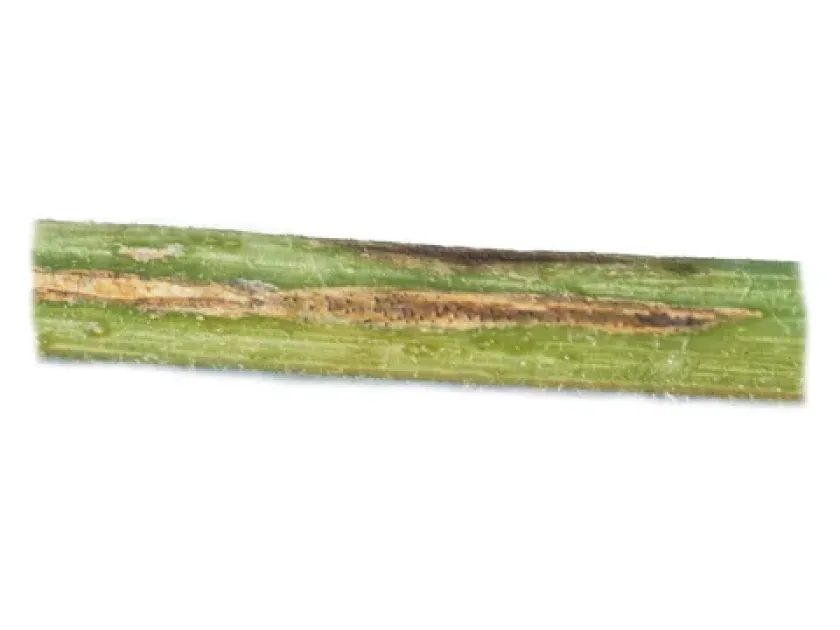
Initial symptoms include small, depressed, circular to irregular spots on the stems, which typically appear pale or grey with a dark, well-defined border.
As the infection progresses, these lesions often elongate, coalescing to form larger, discolored patches. The presence of numerous tiny black dots within these spots, representing the fungus's pycnidia, is a classic clinical sign of the disease.
Affected stems become brittle and weak, frequently leading to lodging or stem breakage, especially during periods of heavy wind or rainfall, which severely disrupts nutrient transport.
Under high humidity, the lesions may appear dark brown due to the active production of spores, sometimes covered with a faint, velvet-like fungal growth.
If the infection encircles the stem, it causes wilting and premature drying of the plant tissues located above the lesion, eventually resulting in the death of the upper plant parts.
Pathogen
The disease is caused by the fungus Ascochyta caulicola, a pathogen that primarily targets legume species. The fungus persists in crop debris and infected seeds, serving as a primary source of inoculum at the beginning of the growing season.
The pathogen produces pycnidia — small, dark, flask-shaped structures — within the lesions on the stems. Inside these structures, numerous conidia are formed, which are released during humid conditions and spread by rain splash or wind currents to neighboring plants.
Biological survival of the fungus is highly effective, as it can exist as a saprophyte on dead organic matter, allowing it to bridge the gap between harvest and the next planting season.
The fungus invades host tissues through natural openings or small wounds, rapidly colonizing the parenchyma and disrupting internal plant structures as it spreads throughout the stems.
Given its high adaptability, the pathogen can survive a wide range of temperatures, making it a persistent threat in various agricultural environments worldwide.
Conditions for development
Favorable conditions for the development of the disease are characterized by moderate temperatures ranging between 18 and 25 degrees Celsius, combined with high humidity.
Dense crop stands create a sheltered, humid microclimate that restricts airflow, facilitating the rapid spread of spores from the lower canopy to the upper parts of the plants.
Frequent rainfall and persistent leaf wetness are critical factors that promote spore germination and subsequent penetration of the fungal mycelium into the stem tissues.
Mechanical damage to stems caused by agricultural equipment or insect feeding provides entry points for the pathogen, significantly increasing the severity of the infection.
Poor drainage and low-lying areas in the field where water tends to accumulate are hotspots for the disease due to the constant moisture availability required by the fungus.
Why it matters
The primary economic impact involves the impairment of the plant's vascular system, which hinders the transport of water and nutrients, leading to a general decline in plant vigor.
Reduced photosynthetic area and stem decay lead to significant yield losses, as plants struggle to fill pods and produce high-quality seeds under heavy disease pressure.
Lodging caused by stem weakness makes mechanical harvesting difficult, leading to considerable grain loss at the header and potential contamination of the harvested batch.
In seed-production fields, the infection can directly contaminate seeds, reducing their germination capacity and vigor, thereby affecting the quality of future plantings.
Total yield reductions can be substantial, often ranging from 20 to 40 percent in severe cases, especially when weather conditions remain favorable for fungal development for extended periods.
Protection
Effective management requires an integrated approach, starting with a robust crop rotation plan that excludes susceptible hosts for at least 3 to 4 years to reduce soil-borne inoculum.
Deep plowing or incorporating crop residues into the soil is essential, as this practice accelerates decomposition and reduces the amount of pathogen available for the next season.
The selection and use of resistant or tolerant cultivars remain the most cost-effective strategy for minimizing the risk of outbreaks in high-pressure environments.
Fungicide application during the vegetative growth stages is recommended in areas with a history of the disease to suppress inoculum buildup and protect healthy tissues.
- Utilize high-quality, certified seeds treated with systemic fungicides.
- Maintain optimal seeding rates to ensure good air circulation within the canopy.
- Practice balanced fertilization to promote strong and healthy stem development.
- Implement rigorous weed control to eliminate alternative hosts for the pathogen.
Discussion
No discussions yet — be the first.