
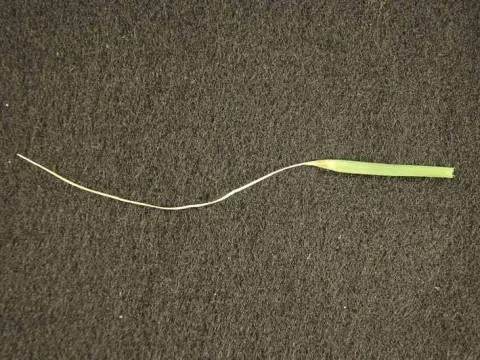
Ascochyta paspali
Ascochyta paspali
The disease typically manifests as spots on the leaf blades of the affected grass. These lesions often exhibit an oval or elongated shape, frequently surrounded by a distinct dark margin.
What the section contains
Ascochyta paspali
As the infection progresses, small, dark, pimple-like structures known as pycnidia develop within the center of the necrotic spots. These structures are essential for identifying the fungal pathogen.
In cases of severe infestation, individual lesions coalesce, covering larger surface areas of the leaves. This causes premature yellowing, withering, and overall decline of the foliage.
The appearance of the grass canopy changes significantly as the leaves dry out and turn brown, reducing the overall aesthetic and nutritional quality of the pasture or turf.
Observations in the field often reveal a patchy distribution of the disease, which tends to expand over time as the pathogen produces more spores in favorable weather conditions.
The causal agent of this disease is the fungus Ascochyta paspali, an anamorphic fungus belonging to the order Sphaeropsidales. It is specifically known to affect grasses of the Paspalum genus.
The fungus survives the winter and dry periods as dormant mycelium or pycnidia within infected plant debris left on the soil surface. This reservoir is the starting point for new infections.
The primary method of dispersal is via conidia (spores) produced within the pycnidia. These spores are spread by splashing rain, wind currents, and mechanical contact with equipment or animals.
The biological cycle of the fungus is tightly synchronized with the growth rhythm of its host plants. It rapidly colonizes new tissue when environmental conditions are conducive to fungal growth.
Genetic variability within the pathogen populations allows it to maintain its presence in diverse agricultural environments, effectively adapting to various climate conditions and host varieties.
High humidity and consistent rainfall are the primary drivers for the rapid development and spread of Ascochyta paspali. Wet foliage is essential for spore germination and infection establishment.
Optimal temperatures for mycelial growth and spore production generally fall within a temperate range. Rapid development is often seen during warm, moist weather periods during the growing season.
Poorly ventilated, dense canopy structures create a microclimate that traps moisture on the leaf surfaces for longer periods, which significantly facilitates the progression of the fungus.
Plants under physiological stress—such as those suffering from nutrient deficiencies or physical damage—are more susceptible to rapid colonization by the pathogen.
The disease frequently peaks mid-to-late season when inoculum buildup has reached significant levels and weather patterns favor repeated infection cycles.
The primary damage caused by the disease is the destruction of photosynthetic tissue, which directly impairs the plant's ability to produce energy and maintain growth.
Infected pasture grasses suffer from a reduction in biomass production, which translates to a direct loss in forage availability for grazing livestock.
The nutritional quality of the forage is diminished, as infected tissues contain fewer essential nutrients and may potentially host fungal metabolites that reduce palatability.
On seed-production fields, the infection can lead to poorly filled seeds and a significant drop in germination rates, which compromises future planting efforts.
Over time, persistent infection weakens the stand, leading to thinning of the turf and the eventual invasion of opportunistic weeds, further decreasing land efficiency.
The management of Ascochyta paspali relies on an integrated approach focusing on cultural practices and disease prevention strategies to minimize the impact of the fungus.
Sanitation is a critical component of control. Removing and destroying crop residues after harvest prevents the pathogen from over-wintering and lowers the inoculum pressure for the next season.
Balanced fertilization programs help maintain plant vigor, which naturally increases the host's resistance against infection and promotes faster recovery from disease pressure.
If necessary, the application of specialized fungicides can be used in high-value stands or during severe outbreaks, following specific regional guidelines and regulations.
- Select and plant resistant or tolerant cultivars when establishing new grass stands.
- Avoid over-watering and maintain proper plant spacing to minimize leaf wetness duration.
- Rotate crops when feasible to break the life cycle of the pathogen.
- Implement regular field scouting to identify and manage early infection hotspots before they spread.