
Anthracnose
Colletotrichum dematium
Description
Symptoms
Symptoms typically begin as small, sunken, circular or irregular spots that are brown to dark brown. These lesions often expand and feature a darker, well-defined border.
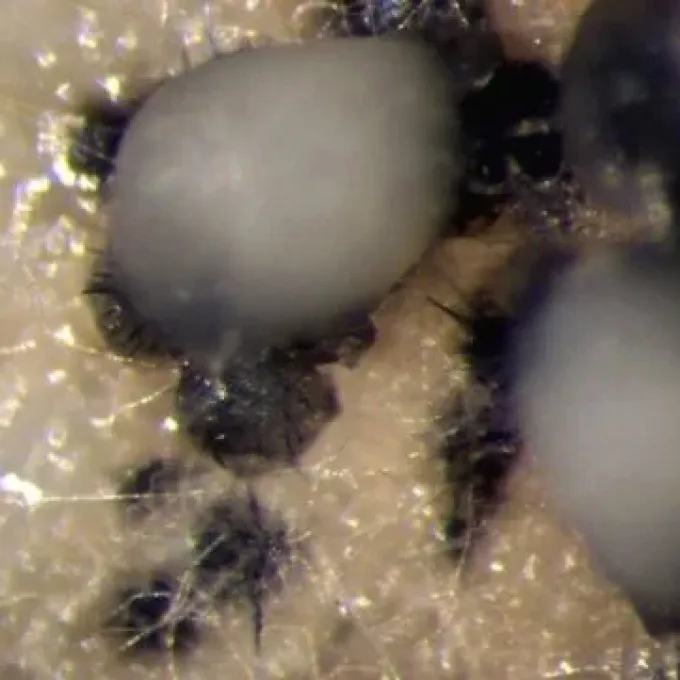
A distinctive feature is the presence of black, pimple-like structures (acervuli) within the lesions. Under humid conditions, these structures exude masses of slimy spores.
Stems often show elongated, sunken cankers that may girdle the stem, leading to wilting, stunting, or stem breakage. Leaves may become distorted, develop chlorosis, and drop prematurely.
Fruits infected with anthracnose develop soft, sunken, watery spots. These spots darken as the fungal growth increases, often resulting in complete rot or mummification of the fruit.
- Sunken necrotic lesions on foliage and stems.
- Presence of black acervuli within infection sites.
- Stem girdling and subsequent plant lodging.
- Premature leaf drop and fruit rot.
Pathogen
Anthracnose is caused by the fungal pathogen Colletotrichum dematium, a deuteromycete that survives in soil, on infected plant debris, and within contaminated seeds.
The fungus produces spores in specialized structures known as acervuli. These spores, called conidia, are the primary inoculum, spreading via water splashes, wind, and movement of insects across the field.
It is an aggressive pathogen with a broad host range, infecting various horticultural and field crops. It penetrates plant tissues either through natural openings or directly through the epidermis.
The life cycle includes active vegetative growth and a dormant phase as mycelium, allowing the pathogen to persist under unfavorable climatic conditions in the environment.
The fungus secretes enzymes that degrade the plant cell wall, causing necrosis and rapid tissue collapse, which facilitates the further colonization of the plant organ.
Conditions for development
Anthracnose development is highly favored by warm, humid weather, with optimal temperatures ranging between +20°C and +28°C and frequent periods of rainfall or high humidity.
Dense, poorly ventilated canopy conditions allow moisture to persist on the leaf surface, which is essential for the germination of fungal conidia and successful tissue infection.
Improper crop rotation, which introduces susceptible hosts to the same area repeatedly, leads to the accumulation of high levels of inoculum in the field soil.
Nutrient deficiencies, particularly low potassium and phosphorus levels, stress the plants and significantly reduce their natural ability to resist fungal invasions.
Heavy dews and foggy conditions in the morning keep the plant surfaces wet for longer durations, providing a perfect window for the fungus to establish its infection.
Why it matters
Anthracnose causes severe economic losses, often reducing crop yields by 20% to 50%. Under epidemic conditions, the entire crop can be lost if not treated promptly.
The disease impairs the plant's physiological processes, such as photosynthesis and transpiration, leading to reduced vigor and decreased accumulation of biomass and yield quality.
Infection significantly reduces the marketability of produce. Infected fruits and seeds are often rejected for consumption and have very poor storage shelf-life due to rapid decay.
Stem lesions lead to significant lodging or breakage before harvest, making mechanical harvesting difficult and causing substantial field loss during collection.
The ability of the fungus to spread rapidly within a crop means that small, isolated infection points can evolve into widespread epidemics very quickly.
Protection
The most effective strategy involves planting disease-resistant cultivars and using high-quality, certified seeds that have been treated with effective fungicides.
Good agricultural practices are critical: implement long-term crop rotation, remove and destroy infected plant debris, and keep the field clean of weeds that may host the fungus.
Preventive and curative applications of fungicides, such as those containing azoxystrobin, mancozeb, or copper compounds, should be applied when weather conditions favor disease.
Maintaining balanced plant nutrition and providing adequate airflow through proper plant spacing helps to lower the risk of infection and improves plant immune response.
Early scouting and monitoring of crops allow for rapid intervention when the first signs of anthracnose appear, saving the crop and reducing the need for extensive chemical use.
Discussion
No discussions yet — be the first.