
Anthostomiasis
Anthostoma
Anthostomiasis is a fungal disease caused by species of the Anthostoma genus, which are primarily saprophytic or weakly parasitic fungi inhabiting wood and bark.
What the section contains
Anthostomiasis
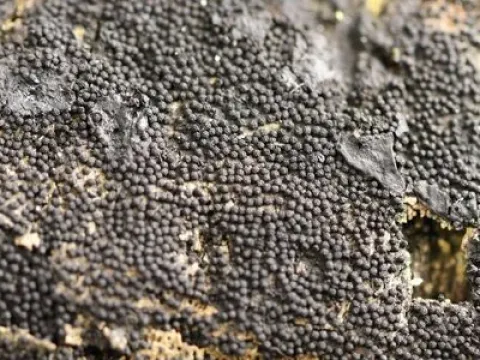
The pathogen completes its life cycle within the host tissues, where it forms small, black stromata that break through the surface of the bark to release spores.
These spores are primarily wind-dispersed and water-splashed, allowing the fungus to spread across orchard blocks during periods of high humidity.
The fungus is capable of persisting in dead wood and dormant buds, providing an inoculum source that can remain active in the garden for many years.
By invading the vascular tissues, the mycelium disrupts the movement of nutrients, ultimately causing significant damage to the structural integrity of the branches.
The first clinical sign of anthostomiasis is the localized darkening and cracking of the bark, often leading to distinct necrotic lesions on branches.
Small black fruiting bodies appear on the surface of the diseased bark, giving it a rough, bumpy texture as the disease progresses.
Branches affected by the fungus often exhibit chlorosis or wilting of the foliage, as the transport of water and nutrients is severely restricted.
In advanced stages, the bark may peel away from the wood, exposing necrotic tissues and deep longitudinal cracks that extend along the length of the branch.
The death of the cambium layer beneath the necrotic bark leads to the gradual dieback of entire twigs and smaller limbs.
High moisture and prolonged rainfall are the primary environmental drivers for the germination and penetration of the fungus into tree tissues.
Trees that are under physiological stress, such as those suffering from soil nutrient deficiencies or drought, are significantly more susceptible to infection.
Mechanical damage caused by pruning with unsterilized tools creates open wounds that serve as ideal entry points for Anthostoma spores.
Poor orchard sanitation, specifically leaving prunings and fallen diseased material on the ground, allows the fungus to thrive and reinfect trees.
Temperature extremes that cause sunscald or frost damage to the bark weaken the host's natural defenses, making it easier for the fungus to colonize.
The primary impact of anthostomiasis is the progressive dieback of branches, which leads to a reduction in the total canopy area and overall tree vigor.
Weakened trees are unable to maintain optimal fruit production, leading to decreased yields and lower quality produce over successive seasons.
The disease facilitates the entry of other secondary pests and pathogens, accelerating the decline of the orchard and reducing the economic lifespan of the trees.
In severe cases, the infection can become systemic, leading to the total death of the tree if the infection reaches the main scaffold branches or the trunk.
The management costs for affected orchards are high, often requiring labor-intensive pruning and preventative chemical applications to mitigate further damage.
Rigorous sanitation, including the prompt removal and burning of infected wood, is the most critical strategy for managing this fungal disease.
Sterilizing pruning equipment with a sanitizing agent between trees is essential to prevent the mechanical transmission of the pathogen.
Application of copper-based fungicides during the dormant season provides a protective barrier on the bark, reducing the success rate of spore germination.
Maintaining optimal tree health through proper fertilization, irrigation, and bark protection helps trees resist infection and recover from minor stressors.
- Sanitize pruning tools consistently.
- Remove all dead wood and debris from the orchard floor.
- Apply protective sealants to large pruning cuts.