
Xanthomoniasis
Xanthomonas hortorum
The causal agent of this disease is the Gram-negative bacterium Xanthomonas hortorum, a significant phytopathogen within the Xanthomonadaceae family.
What the section contains
Xanthomoniasis
This pathogen is characterized by its motility due to the presence of flagella, which allows it to thrive in surface water films and move effectively to infect host tissues.
The bacteria typically enter the plant through natural openings such as stomata and hydathodes or through wounds caused by insect feeding or agricultural activities.
Once inside, the bacteria multiply rapidly within the vascular system and intercellular spaces, disrupting the plant's metabolic pathways and nutrient transport.
The pathogen can survive in crop debris, contaminated seeds, and soil for extended periods, serving as a primary source of inoculum for subsequent seasons.
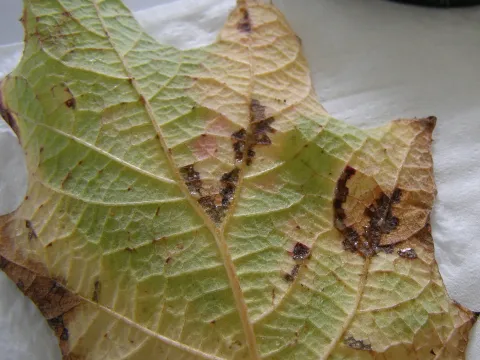
Initial symptoms include the appearance of small, water-soaked spots on leaves that gradually darken and become necrotic, often surrounded by a chlorotic halo.
Vascular infection frequently leads to systemic wilting, which typically starts from the leaf margins and progresses inward, causing the entire plant to collapse.
Under high humidity conditions, a bacterial exudate often emerges from the lesions, appearing as sticky droplets or a slimy film containing high concentrations of bacteria.
Severe infections result in the deformation of leaves, stems, and fruits, with necrotic lesions rendering the produce unmarketable and susceptible to secondary rot.
- Water-soaked leaf lesions
- Yellowing (chlorosis) around necrotic areas
- Bacterial slime/exudate formation
- Systemic wilting and plant death
High humidity and the presence of free water on plant surfaces are the primary environmental conditions required for the development and spread of Xanthomoniasis.
The pathogen thrives in warm conditions, with optimal bacterial activity occurring at temperatures between +25°C and +30°C, coinciding with peak growing seasons.
Dissemination is facilitated by rainfall splashes, wind, and irrigation techniques that move bacterial cells from diseased plants to healthy surrounding crops.
Dense crop spacing and poor air circulation within the canopy create a microclimate that accelerates bacterial multiplication and disease progression.
The introduction of contaminated seeds or the reuse of infected planting material remains the most critical factor for early-season disease outbreaks.
The damage caused by Xanthomoniasis is significant, as it reduces the photosynthetic capacity of leaves, leading to reduced yield and stunted plant growth.
Vascular damage prevents efficient water and nutrient uptake, causing rapid decline and potential death of the crop if the infection is widespread.
Commercial losses are high because the presence of lesions and bacterial rot on fruits significantly reduces their quality and market value, making them unsuitable for export.
Harvested produce infected with the pathogen has poor shelf life and is highly prone to rapid deterioration during storage and transportation.
Farmers face substantial economic burdens due to the loss of marketable yield and the increased costs of specialized plant protection treatments.
The primary prevention strategy is the use of high-quality, certified, disease-free seeds and performing pre-planting seed treatments to eliminate potential inoculum.
Strict adherence to crop rotation practices is essential, ensuring that susceptible hosts are not planted in infested fields for at least three to four years.
Agricultural management should prioritize the prompt removal and destruction of crop residues, which act as a reservoir for the bacterium during the off-season.
Copper-based bactericides are commonly used as a preventive measure to protect healthy foliage, though application must be timed before disease symptoms become severe.
Sanitation practices, such as disinfecting tools and managing insect vectors, are critical components of a comprehensive integrated pest management (IPM) program.