
Xanthomonas arboricola
Xanthomonas arboricola
Description
Symptoms
Initial symptoms typically appear on leaves as small, angular, water-soaked spots that eventually transition into dark brown or black necrotic lesions often surrounded by a yellow halo.
A hallmark sign of the disease is the "shot-hole" effect, where the dead tissue within the spots dries out and falls away, leaving numerous small holes in the leaf blades.
On woody stems and twigs, the pathogen causes cankers, which often manifest as sunken, dark lesions that may ooze a sticky bacterial exudate, especially under high humidity conditions.
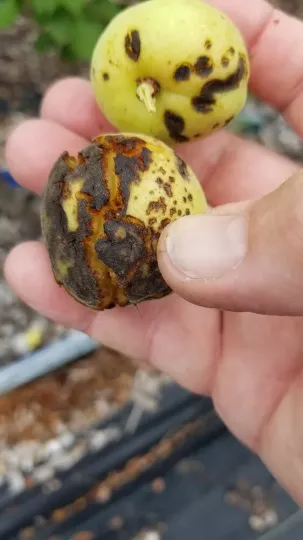
Fruit infections start as small, circular, depressed spots that enlarge over time, often resulting in cracks and deep pitting, which renders the fruit unmarketable and susceptible to rot.
Infected trees may show signs of premature leaf drop, stunted growth, and in severe cases, the death of entire branches due to the blockage of vascular tissues by bacterial growth.
Pathogen
Xanthomonas arboricola is a Gram-negative, rod-shaped bacterium that acts as a significant phytopathogen, primarily affecting stone fruit species such as peaches, apricots, plums, and cherries.
This pathogen survives during dormant seasons in infected plant tissues, such as tree bark, dormant buds, and debris left on the orchard floor, serving as a primary inoculum for the next season.
The transmission of the bacteria is facilitated by rain splashes, wind-driven water, and contaminated tools used during pruning or other maintenance activities in the orchard.
Infection entry points include natural openings like stomata and lenticels, as well as artificial wounds caused by insect feeding, hail damage, or improper pruning techniques.
Once inside the host, the bacteria proliferate within the intercellular spaces, producing extracellular enzymes and polysaccharides that degrade cell walls and cause tissue necrosis.
Conditions for development
The development of Xanthomonas arboricola is highly dependent on environmental factors, particularly high humidity and frequent rainfall, which are necessary for the bacteria to spread.
Moderate temperatures ranging from 20°C to 28°C provide an optimal environment for rapid bacterial multiplication and successful colonization of new host tissues.
Orchards located in areas with poor air circulation or improper drainage are at a much higher risk of infection, as these conditions maintain the moisture levels required by the pathogen.
Orchards with high populations of sap-sucking or tissue-damaging insects are more vulnerable, as these pests facilitate the entry of bacteria into the plant's vascular system.
Periods of spring frost followed by wet weather are particularly dangerous, as the cold-damaged tissues provide easy entry points for the bacteria to colonize weakened trees.
Why it matters
The primary damage caused by this pathogen is the loss of commercial yield, as infected fruits are blemished, misshapen, and prone to rapid post-harvest decay.
Defoliation caused by severe leaf infection reduces the photosynthetic capacity of the trees, leading to lower vigor, reduced cold tolerance, and decreased fruit production in subsequent years.
Chronic infection leads to the development of perennial cankers that can girdle branches and trunks, eventually resulting in the death of significant portions of the tree canopy.
The presence of this pathogen imposes an economic burden on growers due to the constant need for protective chemical applications and the labor involved in sanitation efforts.
Because the disease is easily spread through plant material, it is often subject to strict phytosanitary regulations, limiting the movement and sale of infected nursery stock.
Protection
The most effective strategy involves the planting of resistant or tolerant cultivars, which significantly reduces the need for intensive chemical management in the orchard.
Rigorous sanitation practices, including the disinfection of pruning tools with approved antimicrobial solutions between trees, are essential to prevent the mechanical spread of the bacteria.
Copper-based bactericides applied during the dormant season and at specific growth stages (like bud break) can help reduce the bacterial population on the surface of the trees.
Maintaining tree health through proper fertilization and irrigation practices improves the natural defenses of the trees, making them less susceptible to bacterial invasion.
Promptly removing and burning infected wood and fruit is a critical measure to reduce the total inoculum load in the orchard and prevent the epidemic from worsening.
Discussion
No discussions yet — be the first.