
Xanthomonosis (Stenotrophomonosis)
Xanthomonas maltophilia
Description
Symptoms
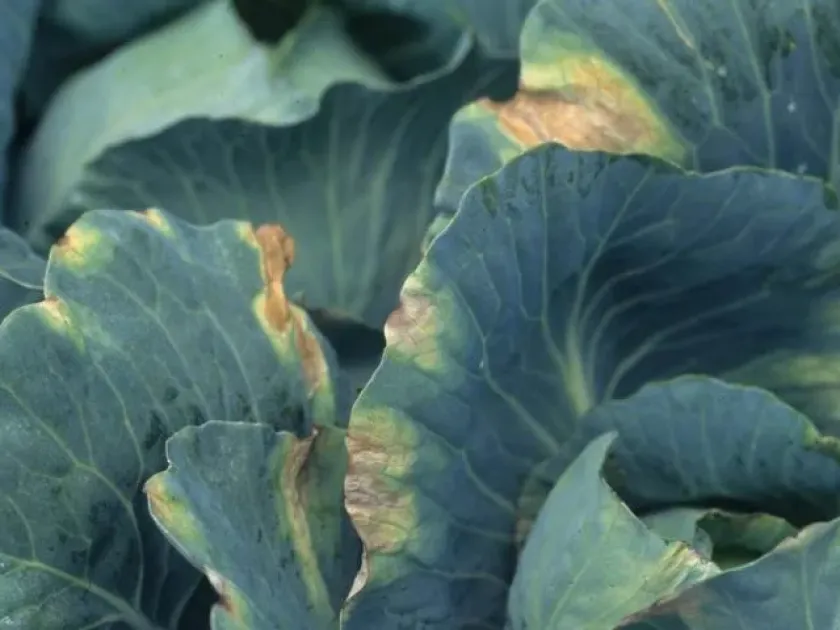
The primary symptom of infection involves the appearance of chlorotic spots on leaves, which gradually develop into necrotic lesions surrounded by a distinct yellow halo.
As the disease progresses, systemic wilting occurs because the bacteria colonize the vascular tissues, effectively blocking the transport of water and nutrients.
Under high humidity conditions, a bacterial exudate—a cloudy, sticky substance containing mass populations of bacteria—often oozes from the infected plant tissues.
Vascular system impairment leads to stunted growth, leaf deformation, and, in severe cases, premature senescence and loss of fruits or seeds.
In root crops, the infection typically manifests as deep necrotic ulcers or soft rot spots that can penetrate and destroy the structural integrity of the plant tissue.
Pathogen
The causative agent of this plant disease is a gram-negative, motile, rod-shaped bacterium, historically known as Xanthomonas maltophilia, and now classified as Stenotrophomonas maltophilia.
This microorganism belongs to the gamma-proteobacteria class and is recognized for its remarkable ability to thrive in diverse and stressful environments.
In agricultural settings, this pathogen frequently acts as an opportunistic agent that exacerbates infections caused by other primary bacterial or fungal pathogens.
The bacteria are capable of forming robust biofilms on plant surfaces, which provides significant protection against environmental stressors and chemical disinfectants.
The genetic diversity of this organism allows it to adapt quickly to different agricultural crops, making it a persistent challenge for plant pathologists and farmers.
Conditions for development
The proliferation of this pathogen is favored by high relative humidity, generally above 75–80%, which provides the necessary moisture for bacterial motility and colonization.
An optimal temperature range for bacterial development is between 20°C and 30°C, which overlaps with the peak growth season for many commercial crop species.
Dissemination of the infection typically occurs via splashing rain, contaminated irrigation water, and the movement of insects that carry the pathogen from host to host.
Physical injuries to the plant, whether caused by agricultural machinery or insect pests, create entry points that facilitate the penetration of bacteria into plant tissues.
Overwintering of the bacteria is facilitated by the presence of infected plant debris left in the soil, which serves as a reservoir for the next growing season.
Why it matters
The primary economic harm involves a severe reduction in the commercial quality of the harvest, rendering the produce unsuitable for long-term storage or sale.
Infected crops exhibit a sharp decline in photosynthetic efficiency, leading to significant yield losses and lower nutritional value in fruits and vegetables.
The infection frequently promotes secondary opportunistic decay, causing large-scale losses in both field conditions and during post-harvest storage.
Accumulation of bacterial toxins in plant tissues can negatively affect the chemical and sensory profile of the produce, potentially impacting its safety.
In greenhouses and nursery environments, this pathogen poses a critical risk, as it can cause rapid collapse of entire batches of seedlings if left untreated.
Protection
The cornerstone of disease management is the implementation of a rigorous crop rotation program that disrupts the bacterial life cycle by changing the host plant species.
Utilizing certified, pathogen-free seed material and implementing seed treatment protocols are essential first steps in preventing the initial introduction of the pathogen.
Strict sanitation practices, including the regular disinfection of agricultural equipment and tools, are necessary to prevent the mechanical transfer of bacteria between fields.
Effective management of insect populations that act as vectors for the pathogen is crucial for maintaining the health of the crop throughout the growing season.
Integrated control using copper-based bactericides and biological control agents can help minimize the spread and severity of outbreaks when early symptoms are identified.
Discussion
No discussions yet — be the first.