
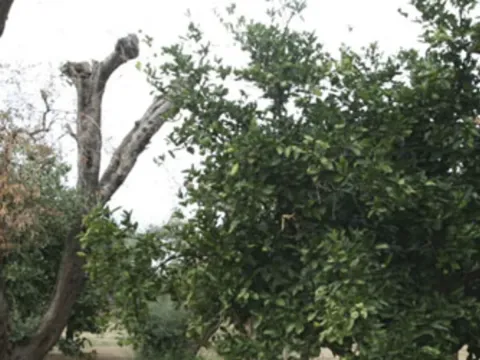
Xylella taiwanensis
Xylella taiwanensis
Xylella taiwanensis is a destructive gram-negative bacterium that colonizes the plant xylem, leading to a systemic disease that severely restricts the movement of water and nutrients.
What the section contains
Xylella taiwanensis
The pathogen forms thick biofilms within the vascular tissues, creating physical obstructions that eventually cause the plant to wilt and die, even when the soil has adequate moisture.
Transmission occurs primarily through xylem-feeding insects, such as sharpshooters and spittlebugs, which ingest the bacteria from infected tissues and inoculate healthy plants during feeding.
This bacterium is particularly dangerous due to its latent phase, where infected plants may remain asymptomatic for extended periods while still acting as reservoirs for further spread.
Molecular detection techniques like PCR are essential for diagnosis, as the bacterium is notoriously difficult to culture and distinguish from other similar species of Xylella.
The characteristic symptoms of Xylella taiwanensis include marginal leaf scorch, where the edges of leaves turn yellow and then progress to necrotic brown tissue.
Infected trees often exhibit severe leaf drop, stunted growth, and a general decline in vigor, significantly impacting the overall physiological state of the host plant.
Fruit development is negatively affected, resulting in smaller, deformed, or prematurely dropped fruits, which leads to substantial yield losses in commercial orchards.
Dieback of branches and twigs is common in advanced stages, as the plant struggles to transport water to the extremities, leading to a dry and brittle appearance of the canopy.
Over time, the symptoms become more pronounced under hot and dry weather conditions, which exacerbate the water deficit already caused by the bacterial blockage of the xylem.
The development of the disease is highly dependent on the presence and activity of insect vectors, which are most prolific in warm and humid environments during the growing season.
Temperature plays a crucial role, with optimal growth of the pathogen occurring at warm temperatures, which facilitate the buildup of bacterial biofilms within the host vascular system.
Landscape management is a key factor, as wild host plants and weeds in the orchard periphery can harbor the bacteria and provide a habitat for the insect vectors that transmit it.
The movement of plant material, especially nursery stock, is the most common path for the disease to spread across geographic regions, often facilitated by international trade.
Plants under environmental stress or those with poor nutrient management are more susceptible to infection and typically show a faster progression of the disease symptoms.
The impact of Xylella taiwanensis is devastating, as infected plants are generally incurable, necessitating the complete removal and destruction of the affected specimens.
Economically, it causes major losses for fruit producers through reduced production capacity, crop failure, and the high costs associated with replanting orchards.
The disease limits market access, as strict quarantine regulations are enforced to prevent the further spread of the pathogen, affecting the export of nursery and agricultural products.
Maintaining the health of the orchard becomes significantly more expensive due to the need for continuous monitoring and the requirement for chemical controls to manage vectors.
Beyond the direct financial losses, the ecological impact of losing long-established orchards can be significant for biodiversity and local agricultural landscapes.
The primary control strategy for Xylella taiwanensis is prevention, as there are no effective therapeutic treatments currently available for infected plants.
Farmers must strictly source planting material from certified, disease-free nurseries and ensure rigorous quarantine compliance to avoid introducing the pathogen into their orchards.
Integrated Pest Management (IPM) is essential to reduce the population of insect vectors through targeted insecticide applications and the removal of weeds that support vector life cycles.
Early detection through periodic field surveys and laboratory testing of symptomatic plant samples is vital to isolate and eradicate infection sites before they spread further.
Orchard sanitation, including the prompt removal and burning of infected branches or entire trees, remains the most effective measure to mitigate the risk of wider epidemics.