
Bacterial Kidney Disease
Renibacterium salmoninarum
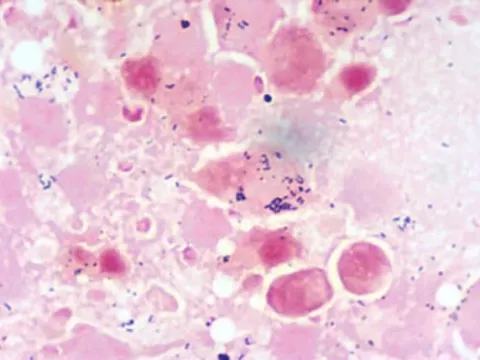
Bacterial Kidney Disease is caused by the Gram-positive, rod-shaped bacterium Renibacterium salmoninarum, which specifically affects salmonid species.
What the section contains
Bacterial Kidney Disease
The pathogen is known for its intracellular nature, as it predominantly survives and replicates within the fish's macrophages, evading host defenses.
Renibacterium salmoninarum is highly persistent in aquatic environments, capable of surviving for long periods in water, sediment, and fish tissues.
The disease spreads through both horizontal pathways, such as waterborne transmission, and vertical pathways, from infected broodstock to their offspring.
The bacterium is characterized by slow growth rates in laboratory culture, necessitating specialized diagnostic methods for precise identification and detection.
Clinical signs often include the presence of numerous white, raised granulomas on the kidneys, which typically become significantly enlarged.
Affected fish often exhibit darkening of the skin, abdominal swelling, and exophthalmia, commonly known as "pop-eye," due to fluid accumulation.
External lesions, such as ulcers or haemorrhagic areas on the body surface, are common indicators of advanced stages of the infection.
Internal examination frequently reveals haemorrhages in the musculature and internal organs, alongside a pale appearance of the gills indicating anaemia.
- Swollen kidney and spleen;
- White granulomas on liver or heart;
- Fluid in the abdominal cavity;
- Haemorrhages around the base of fins.
The disease is most prevalent in waters with temperatures ranging from 10°C to 18°C, which are optimal for bacterial proliferation.
High stocking densities in commercial fish farms significantly increase the rate of pathogen transmission and the severity of outbreaks.
Poor water quality and environmental stressors, including low oxygen levels, can trigger the transition of the pathogen from a subclinical to an acute state.
The presence of infected eggs in the hatchery environment serves as a primary reservoir, facilitating the spread of the infection to young fry.
Seasonality often plays a role, with increased susceptibility noted during spawning periods when fish undergo intense physiological stress.
Bacterial Kidney Disease causes substantial mortality rates, leading to severe economic losses for salmon and trout aquaculture operations globally.
Chronic infections result in stunted growth and reduced feed conversion efficiency, significantly impacting the profitability of fish farming enterprises.
The inability to effectively treat the infection once it becomes systemic often necessitates the total culling of affected stocks to protect healthy fish.
Infected broodstock exhibit reduced fertility and high egg mortality, which undermines the sustainability of future production cycles.
The persistence of the bacterium in the facility environment often leads to long-term operational challenges and increased costs for regular decontamination.
Rigorous screening of broodstock using molecular diagnostic methods like PCR is essential to identify and cull infected individuals before spawning.
Disinfection of fertilized eggs using iodine-based solutions is a critical biosecurity measure to prevent vertical transmission from parents to offspring.
Maintaining optimal water quality and reducing stocking densities helps to minimize stress, thereby boosting the natural immune resistance of the fish.
Strict biosecurity protocols, including the sterilization of equipment and quarantine measures, are vital for preventing the introduction of the pathogen.
While some antibiotic treatments exist for symptom management, they are generally considered insufficient for complete eradication, making prevention the priority.