
Spiral nematode
Helicotylenchus
Description
How to identify
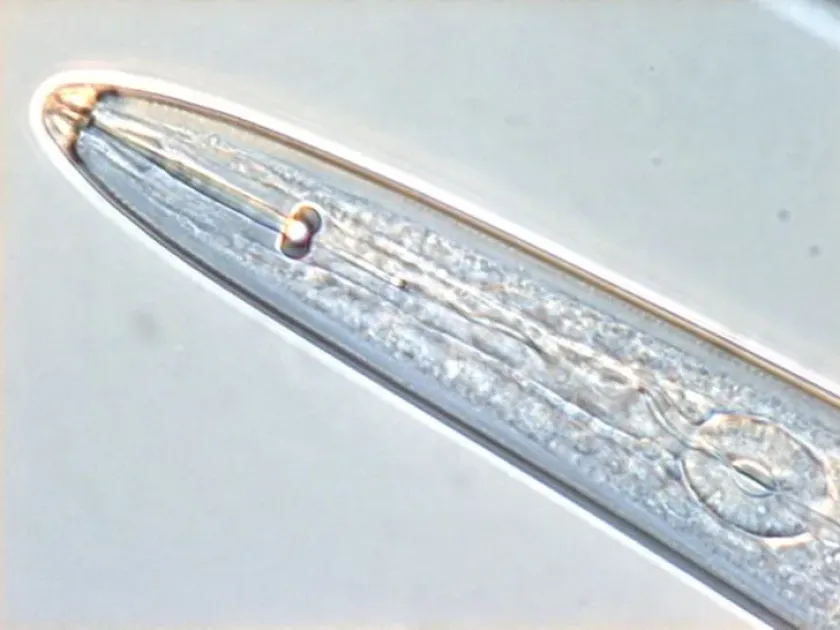
The spiral nematode (genus Helicotylenchus) belongs to the phylum Nematoda and is a common soil-borne plant pathogen. They are named for the distinctive spiral shape their bodies take when they are inactive.
These microscopic roundworms, measuring approximately 0.5 to 1.0 mm, possess a specialized mouthpart called a stylet, which they use to pierce and feed on plant root tissues.
They are classified as semi-endoparasites. While they live in the soil environment, they feed by partially inserting their head region into the root cortex, causing physiological stress to the host plant.
The genus includes numerous species globally, and they are capable of reproducing through parthenogenesis, which allows their populations to expand rapidly under favorable moisture and temperature conditions.
Detection is strictly laboratory-based, involving the extraction of nematodes from soil samples or root fragments using techniques like the Baermann funnel method or centrifugal flotation.
What it damages
Spiral nematodes have a broad host range, feeding on cereals, vegetables, forage grasses, and fruit crops like strawberries. This polyphagous nature makes them a significant challenge in diverse cropping systems.
By damaging the roots, these nematodes interfere with water and nutrient uptake, leading to overall plant stunting, reduced biomass, and poor vigor in affected fields.
The physical injury caused by the stylet often creates entry points for secondary pathogens, such as fungi (e.g., Fusarium) and bacteria, which exacerbate root rotting symptoms.
Economic damage is most severe in intensive horticultural systems, where nematode pressure can result in significant yield losses and reduced crop quality at harvest time.
Plants under nematode attack are less able to withstand environmental stressors, such as drought or heat, making the overall field production more vulnerable to weather fluctuations.
Signs of infestation
Symptoms above ground are often generalized and appear as patchy, uneven growth within the field. Affected plants may show yellowing (chlorosis) or wilting during peak sunlight.
Below ground, the signs include brown, necrotic lesions on roots and a general reduction in the size and volume of the root system, particularly the fine feeder roots.
Plants affected by a high population density of nematodes often display a lack of root development, which can lead to poor anchorage and plants that are easily pulled from the soil.
Because these signs mimic nutrient deficiencies or irrigation issues, visual diagnosis is rarely definitive and must be confirmed through professional soil analysis.
Increased susceptibility to drought stress in patches of the field is a common warning sign that indicates significant subterranean damage to the plant's vascular system.
Control measures
Integrated Pest Management (IPM) is essential for controlling spiral nematodes, starting with crop rotation using non-host crops to reduce soil population densities over time.
Sanitation practices, such as ensuring that planting materials are certified disease-free and thoroughly cleaning farm equipment between fields, prevent the spread of the nematode.
Soil amendments that increase organic matter can improve soil structure and promote the growth of antagonistic microorganisms that naturally suppress nematode populations.
In high-value crops or greenhouse environments, chemical nematicides or soil solarization techniques may be employed to lower nematode numbers before the planting season.
- Testing soil for nematode populations before planting.
- Using tolerant crop varieties where available.
- Incorporating cover crops that serve as natural biofumigants.
- Implementing good irrigation management to avoid moisture stress.
Causes diseases · 4
Discussion
No discussions yet — be the first.