

Description
Symptoms
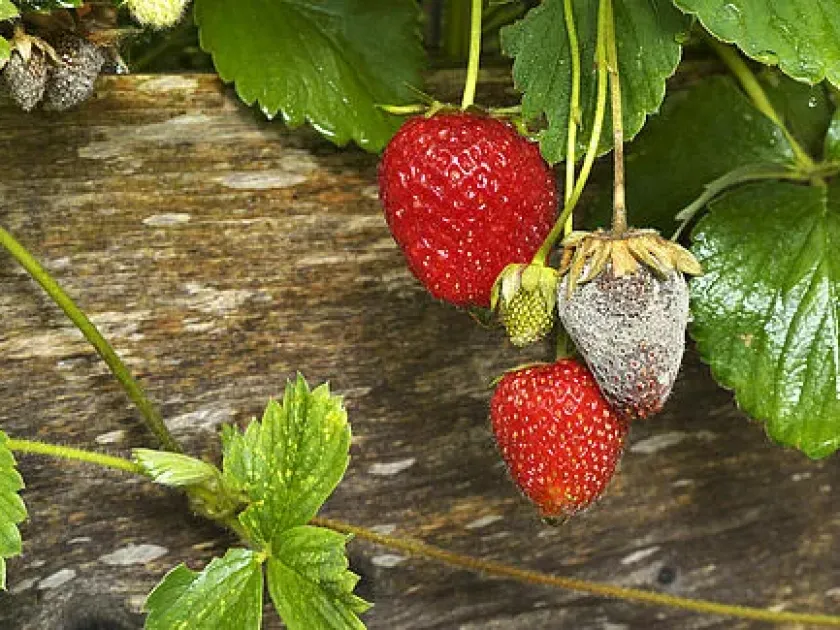
The most distinctive symptom of gray mold is the formation of a dense, dusty, gray-colored fungal mat composed of spores on the surface of infected plant organs.
Initial infection often presents as small, water-soaked, light brown spots that expand rapidly under humid conditions, resulting in complete tissue collapse.
On fruits such as strawberries, grapes, and tomatoes, the fungus causes a rapid rot, where the internal structure turns into a soft, watery, and pulpy mess.
Floral parts, including blossoms and petals, often turn brown and wither prematurely, significantly reducing the potential yield of the affected crop.
In cases of stem infections, the fungus creates localized cankers that may girdle the stem, leading to the wilting and death of the entire plant or individual branches.
Pathogen
The causal agent of gray mold is the fungus Botrytis cinerea, a versatile necrotrophic pathogen belonging to the Ascomycota phylum that affects a vast range of plant species.
This fungus persists in the environment as mycelium or resistant sclerotia, which remain viable in soil and plant debris for several years.
During the growing season, it produces large numbers of conidia, which are disseminated primarily by wind and splashing rain to susceptible host tissues.
Botrytis cinerea employs an aggressive infection strategy, secreting enzymes that degrade cell walls, which causes tissue maceration and rapid colonization.
The pathogen is known for its high genetic diversity and ability to adapt, which frequently leads to the development of resistance against commonly used chemical fungicides.
Conditions for development
Gray mold thrives in cool to moderate temperatures ranging from 15°C to 25°C, coupled with high relative humidity, typically above 85%.
Poor ventilation, high planting density, and excessive shading create a stagnant microclimate that encourages the germination of spores and the development of mycelium.
Rainy weather, high morning dew, and fog are primary drivers for disease outbreaks, as they keep plant surfaces wet for extended periods.
Plants with lush, nitrogen-rich growth are particularly vulnerable, as their tissues are softer and easier for the fungal enzymes to penetrate.
Mechanical damage caused by harvesting, insect feeding, or cultivation provides entry points, making the plant significantly more susceptible to infection.
Why it matters
Gray mold is considered one of the most destructive post-harvest and field diseases globally, causing substantial economic losses in commercial horticulture.
The disease is highly problematic because it can infect plants in the field while remaining latent, only to develop rapidly during storage, transit, or retail.
Beyond the direct destruction of fruit and vegetable crops, the infection results in the production of harmful mycotoxins that contaminate agricultural products.
The widespread host range of Botrytis cinerea makes it extremely difficult to control through crop rotation, as it can survive on many different plant species.
In severe cases of epidemics, entire harvests can be rendered unsalable, leading to complete financial losses for producers and distributors.
Protection
Effective management begins with sanitation: promptly removing and destroying all infected plant materials to reduce the primary inoculum load in the field.
Improving air circulation through proper spacing, vertical training of plants, and regular pruning is essential to lowering the humidity within the canopy.
- Application of authorized fungicides during critical windows such as flowering and pre-harvest.
- Using drip irrigation to prevent water from accumulating on foliage and fruits.
- Implementing mulching techniques to create a barrier between the fruit and the soil.
- Monitoring weather patterns to time fungicide applications before anticipated rainy periods.
- Ensuring careful handling during harvest to minimize wounding, which serves as a site for fungal entry.
An integrated disease management (IDM) approach, combining cultural, biological, and chemical strategies, is the most successful method for controlling the spread of gray mold.
Content graph
Connections · Gray mold
Most often together:
Marketplace
Products · 3

Community
Discussion
No discussions yet — be the first.