
Criconemella
Criconemella
Description
How to identify
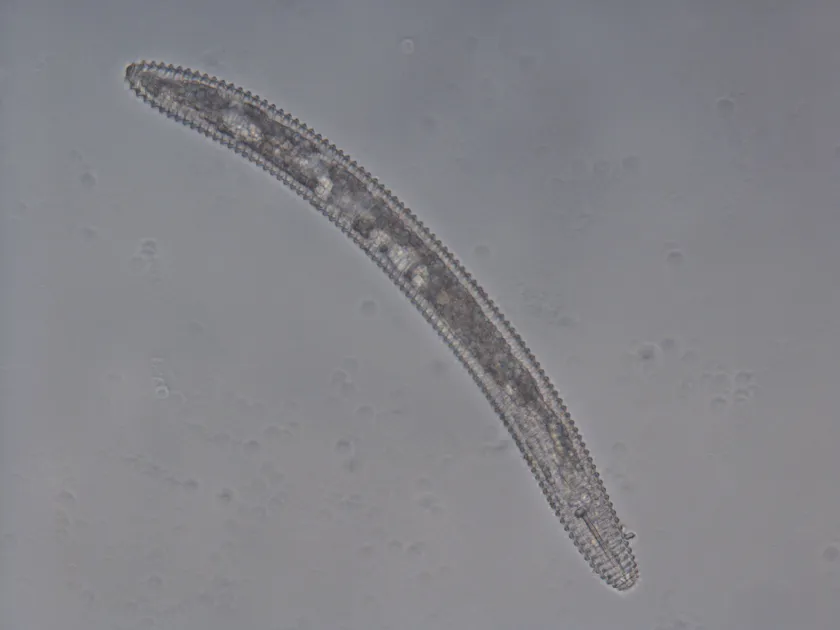
Criconemella is a genus of ectoparasitic nematodes belonging to the phylum Nematoda. These microscopic roundworms are characterized by prominent cuticular rings, giving them a distinct ringed or "segmented" appearance under magnification.
They are obligate plant parasites that feed on the root cells of various crops. Unlike endoparasitic nematodes, Criconemella species remain outside the root tissue while feeding, utilizing a long, needle-like stylet to penetrate plant cells.
Systematically, they are classified under the family Criconematidae. In modern taxonomic literature, many species previously identified as Criconemella are now often reclassified into the genus Mesocriconema.
Identifying this pest in the field is challenging because they do not cause obvious galls or structural changes visible to the naked eye. Laboratory soil and root analysis (extraction) is required for accurate identification and population counts.
They exhibit high resilience and can survive in the soil for significant periods even in the absence of a host plant, making them a persistent issue in perennial plantation systems.
What it damages
Criconemella primarily affects perennial fruit and nut trees. Major hosts include stone fruits (peaches, cherries, plums) and grapevines, which are particularly susceptible to their feeding habits.
The damage is caused by the constant mechanical piercing of root cells during feeding. This results in the stunting of root tips, cellular necrosis, and a reduction in the overall surface area of the root system available for nutrient uptake.
Infested plants suffer from impaired water and nutrient transport, leading to visible symptoms such as chlorosis, stunted growth, and significantly reduced fruit yields over time.
The feeding sites created by the nematodes serve as entry points for secondary fungal and bacterial pathogens, often leading to complex root rot diseases that further weaken the plant.
In cases of severe infestation, particularly with young trees, the root system may be so compromised that the plant fails to thrive or even dies prematurely due to nutritional stress and secondary infections.
When it appears
The life cycle of Criconemella is closely linked to soil temperature. The nematodes become active in the spring as soil temperatures rise, typically starting around 10–12°C.
Population density peaks during the summer months when warm soil conditions accelerate their reproductive cycle. The nematodes reproduce sexually, laying eggs directly into the soil near the root zone.
The larvae pass through several developmental stages before maturing into adults. This life cycle allows them to maintain stable populations throughout the growing season.
As soil temperatures drop in the autumn, the nematodes enter a period of reduced activity or diapause, allowing them to survive the winter in the soil profile.
Throughout the season, they are capable of migrating through the soil to locate fresh, active roots, ensuring they remain in the vicinity of their host plants despite agricultural soil management.
Signs of infestation
The most common indicator of a Criconemella infestation is a general decline in tree vigor. Plants may look "tired," with less foliage density and smaller leaves than healthy trees in the same block.
Affected trees often show symptoms of nutrient deficiency, such as yellowing leaves (chlorosis), even when soil fertility levels are adequate. They are also less capable of withstanding drought stress compared to healthy trees.
Root system examination reveals stunted, stubby, and necrotic roots, as the nematodes effectively prune the root tips, preventing healthy root elongation.
Increased susceptibility to winter injury is common, leading to branch dieback or tree death during colder seasons as the compromised root system cannot support the tree's physiological needs.
The infestation pattern is usually patchy, with irregular areas of poor growth spreading slowly across an orchard as the nematode population colonizes new sectors of the soil.
Control measures
Effective management of Criconemella requires an integrated approach because eradication is nearly impossible once an orchard is established.
- Planting certified, nematode-free nursery stock to prevent initial introduction.
- Utilizing cover crops with nematicidal properties, such as certain varieties of mustard or marigolds, as green manure.
- Regular soil testing to monitor population thresholds before they reach damaging levels.
- Application of specialized nematicides as a pre-plant soil treatment in high-risk areas.
- Maintaining soil organic matter and moisture levels to help trees sustain root growth and mitigate the impact of nematode feeding.
Biological control methods include the application of bio-products containing fungi or bacteria that are antagonistic to nematodes, providing a sustainable way to suppress population growth.
Good horticultural practices, including proper irrigation management and weed control, reduce the stress on the trees and allow them to better recover from the cumulative damage caused by the nematodes.
Causes diseases · 4
Discussion
No discussions yet — be the first.