

Rovral Aquaflow
БАСФ Агро БВ, Швейцарія, на заводі , Франція,Італія (Сієна)
Fungicides
0
0
·
4.1K
5 offers
41.48 €per 1 l
Buy
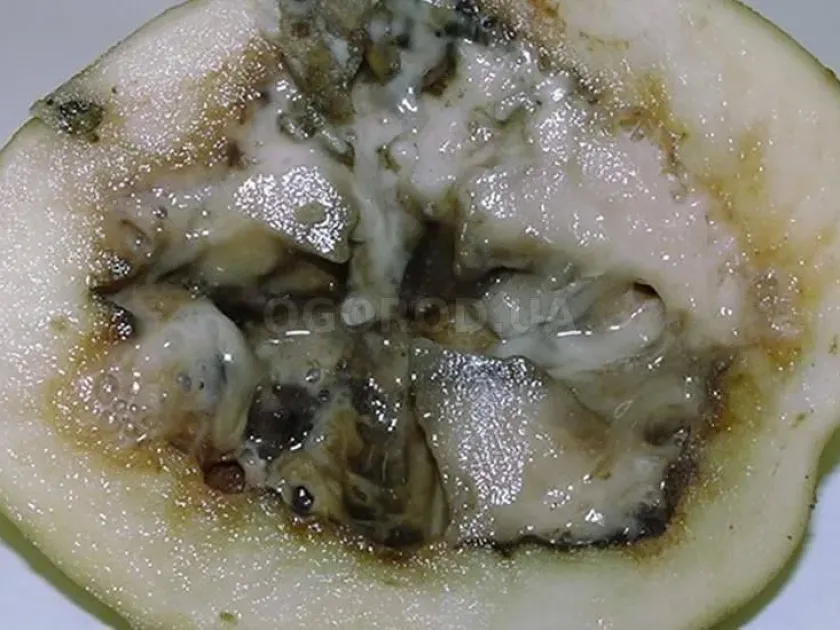
The initial symptoms typically appear as small, water-soaked, translucent lesions on leaves, stems, or roots of the host plant.
These lesions expand rapidly in size and depth, causing the affected tissue to become soft, mushy, and eventually turn into a liquefied mass.
A foul, pungent odor is a diagnostic hallmark of soft rot, caused by the anaerobic degradation process of the plant material.
In many cases, the outer epidermis remains intact while the internal tissue completely collapses into a slimy, grey or brown fluid.
Under dry conditions, the affected areas may dehydrate and become shriveled, but in humid environments, the disease progresses very quickly.
Soft rot is primarily caused by a complex of gram-negative bacteria, most notably members of the genera Pectobacterium and Dickeya.
These pathogens are facultative anaerobes that reside in soil, crop residues, and water, waiting for host plants with weakened defenses.
They secrete powerful enzymes, specifically pectinases, which degrade the middle lamella of plant cell walls, leading to tissue maceration.
The infection spreads via irrigation water, insect vectors, contaminated farm tools, and physical contact between healthy and diseased plant parts.
Once inside the plant tissue, the bacteria multiply rapidly, utilizing available nutrients and causing the characteristic breakdown of cell integrity.
High humidity and warm temperatures (ranging from 20°C to 30°C) are the primary environmental conditions that favor the disease's development.
Plant injury caused by pests, hail, improper handling during harvest, or growth cracks provides essential entry points for the bacterial pathogens.
Poor aeration in storage facilities or greenhouses contributes to stagnant air and high moisture, accelerating the rot process.
Waterlogged soil conditions during the final stages of crop maturation significantly increase the risk of field-level infections.
Excessive nitrogen application can result in lush, succulent tissue that is inherently more susceptible to enzymatic degradation by bacteria.
Soft rot is one of the most destructive diseases in vegetable production, causing substantial losses in both the field and storage.
The disease can destroy entire batches of harvested produce in just a few days if conditions for bacterial proliferation are present.
It impacts a wide variety of crops, including potatoes, carrots, onions, cabbage, and numerous other fleshy vegetables.
Economic damage includes direct crop loss, increased handling and sorting costs, and the risk of entire shipments being rejected at markets.
Affected produce is not only unsellable but also presents a severe risk of cross-contamination if stored alongside healthy harvests.
Effective management focuses on preventive measures, starting with crop rotation and the removal of infected debris to reduce the initial inoculum.
Sanitation of storage containers, tools, and packing houses is critical to prevent the transfer of bacteria to healthy crops.
Minimizing mechanical damage during harvest and ensuring crops are clean and dry before storage are key to long-term success.
Integrated pest management (IPM) is essential to reduce the insect population that serves as both a primary vector and a source of plant wounds.
No discussions yet — be the first.