
Description
Symptoms
The primary symptom is the formation of depressed, sunken cankers on the bark, often characterized by a distinct discoloration ranging from brown to dark brown.
Gummosis, or the oozing of sticky sap from the infected bark, is a common defensive response of stone fruit trees like almond and peach when attacked.
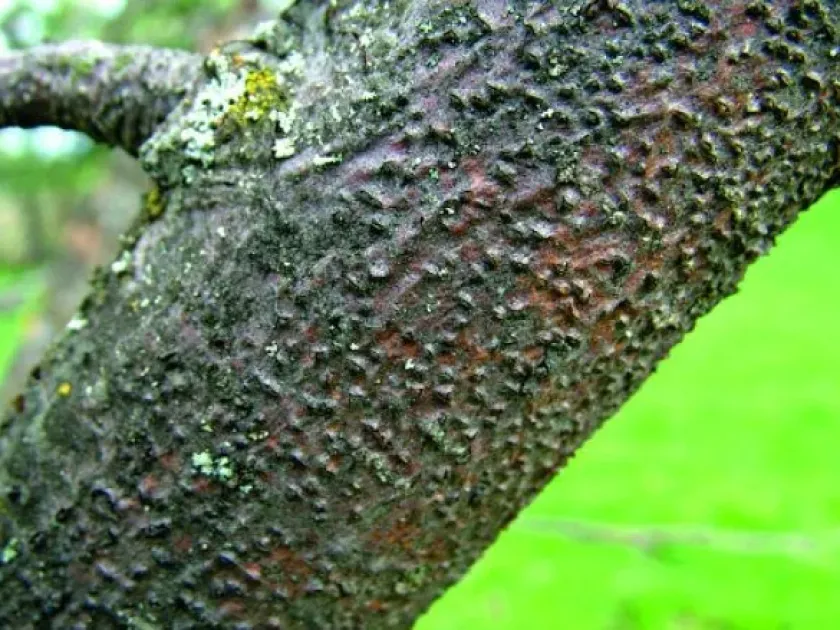
Small, dark, pimple-like bumps appearing on the surface of dead bark indicate the presence of fungal fruiting structures releasing spores into the environment.
Leaves on infected branches may exhibit chlorosis, curling, and premature wilting, often leading to dieback of the entire branch or limb.
Upon removing the outer bark of a canker, a clear demarcation line is visible between the healthy green tissue and the infected necrotic brown tissue.
Pathogen
The causative agent of Leucostoma canker is the fungus Leucostoma cincta (anamorph Cytospora cincta), which primarily targets stone fruit trees.
This pathogen acts as a wound parasite, requiring entry points such as bark cracks, winter injury, sunscald, or pruning cuts to infect the tree host.
Once inside, the fungus invades the cambium and phloem tissues, causing localized cell death and disrupting the transport of nutrients within the branches.
The fungus produces numerous pycnidia, small flask-shaped fruiting bodies, which rupture the bark surface to release infectious spores during wet weather.
Biology of the pathogen allows it to survive in dead wood for long periods, maintaining an inoculum source within the orchard that threatens healthy trees.
Conditions for development
Infection and disease development are highly favored by high humidity, frequent rain, and moderate temperatures that facilitate the spread of fungal spores.
Trees that have suffered from severe winter freezes are particularly susceptible, as frost cracks provide the perfect environment for initial pathogen colonization.
Cultural practices, such as excessive crowding of trees or lack of proper ventilation, create a stagnant microclimate that keeps bark wet, promoting infection.
Almond, cherry, and apricot orchards are especially at risk if trees are stressed by poor soil conditions, drought, or improper fertilization schedules.
Insects and equipment used for pruning can accidentally spread the fungal spores from infected trees to healthy ones if sanitation protocols are not followed.
Why it matters
Leucostoma canker is a destructive disease capable of causing significant limb loss and the eventual death of the entire tree if left untreated.
The disease reduces the vigor and yield of the tree, as girdled branches can no longer effectively transport water and nutrients from the root system.
Severe infestations weaken the tree's overall structural integrity, making it more prone to physical breakage and further invasion by secondary pests.
Economic losses in commercial orchards are substantial due to the need for costly tree removal, replanting, and continuous intensive disease management.
The cumulative effect of this disease is a shortened lifespan of the orchard, requiring increased inputs to maintain productivity in the face of ongoing infection.
Protection
Strict sanitation is the cornerstone of management, involving the immediate pruning and removal of all dead or cankered wood from the orchard.
All pruning cuts should be protected with a wound sealant or a copper-based fungicide to prevent spores from entering the fresh wood.
Preventing winter injury and sunscald through the use of white latex paint or trunk wraps is essential to minimize entry sites for the fungus.
Routine fungicide applications, particularly during the dormant season and early spring, can help reduce the spore load on the bark surface.
Maintaining vigorous tree growth through balanced nutrition and proper irrigation helps trees maintain their natural defenses against fungal infection.
Pathogens and affected parts
Affects crops · 1
Discussion
No discussions yet — be the first.