
Description
Symptoms
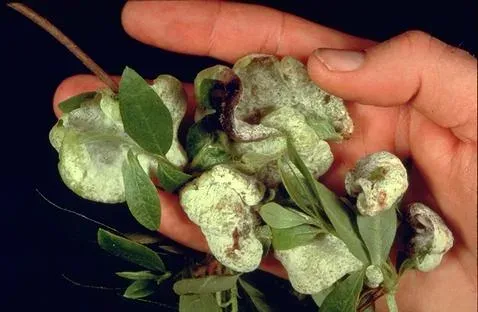
The hallmark of this condition is the formation of "galls," which are fleshy, abnormal swellings on leaves, shoots, or flower buds. They are often misshapen and distinct from normal healthy growth.
Affected leaves usually appear thickened, fleshy, and pale in color—often exhibiting yellowing or reddish tints. Over time, these leaves become covered in a visible fungal spore layer.
Flower buds are particularly susceptible and may fail to bloom entirely. Instead, they swell into large, pulpy masses that eventually dry out, turn brown, and wither away.
On young branches, the disease manifests as localized thickenings or distortions, which can interfere with normal structural integrity and sap flow.
In humid conditions, the signs are intensified as the fungal fruiting bodies mature, creating a velvety texture on the surface of the abnormal growths.
Pathogen
The causative agent of leaf and flower gall is a fungus belonging to the genus Exobasidium, within the Basidiomycota phylum. These fungi are obligate parasites specific to certain plant hosts, primarily within the Ericaceae family.
The disease is a type of biotrophic mycosis where the fungus infects the host tissues and induces abnormal hormonal responses. This leads to hyperplasia, where the plant's cells multiply and enlarge excessively.
The pathogen survives within the host plant as mycelium, which often remains dormant inside the buds or under the bark during the winter months.
During the active growing season, the fungus produces a dense layer of basidia and spores on the surface of the galls. This appears as a powdery white or pinkish bloom.
These spores are primarily disseminated by wind, splashing rain, or contact with pollinators and gardeners, facilitating the spread of the infection to nearby susceptible plants.
Conditions for development
The development of Exobasidium is heavily dependent on moisture. Prolonged periods of cool, wet weather, especially in spring, are ideal for the germination and spread of spores.
Poor ventilation in densely planted areas or areas with high humidity prevents the foliage from drying out, creating the perfect environment for the fungal infection to take hold.
The disease is most prevalent in environments with high relative humidity and temperatures that coincide with the early vegetative growth stages of the host plant.
Stress factors, such as improper soil pH or waterlogged root zones, can weaken the plant's natural defenses, making it significantly more susceptible to Exobasidium infections.
Frequent overhead watering can mimic the conditions of rainy weather, allowing spores to easily migrate from infected tissues to healthy, expanding buds and leaves.
Why it matters
The most immediate impact of the disease is the severe loss of aesthetic value. Rhododendrons lose their natural shape and become covered in unsightly, deformed growths.
The infection severely hampers the flowering potential of the plant, as the fungus targets reproductive tissues, leading to reduced floral displays or complete reproductive failure.
As the plant diverts energy to cope with the excessive cell growth triggered by the fungus, its overall vigor declines, leading to stunted growth and reduced leaf production.
The tissue damage caused by galls can create entry points for secondary pathogens, such as wood-decaying fungi or opportunistic bacteria, potentially leading to systemic decay.
If left unmanaged, chronic infections can lead to the death of primary branches and, in severe cases, the long-term decline of the entire shrub specimen.
Protection
The primary control measure is early detection followed by the mechanical removal of all visible galls. It is critical to prune these parts before the fungal spores mature and release.
All removed infected material should be promptly disposed of—burned or placed in sealed bags—and never composted, to prevent the reintroduction of the pathogen into the garden.
Copper-based fungicides are highly recommended as a preventative treatment, applied in late winter or early spring before bud break to suppress the overwintering inoculum.
In cases of heavy infestation, systemic fungicides can be applied to protect emerging foliage during the critical periods of high humidity and cool spring temperatures.
Good horticultural practices are essential: ensure adequate spacing between plants, provide excellent drainage, and avoid overhead watering to keep the foliage surface as dry as possible.
Pathogens and affected parts
Affects crops · 1
Discussion
No discussions yet — be the first.