
Description
Symptoms
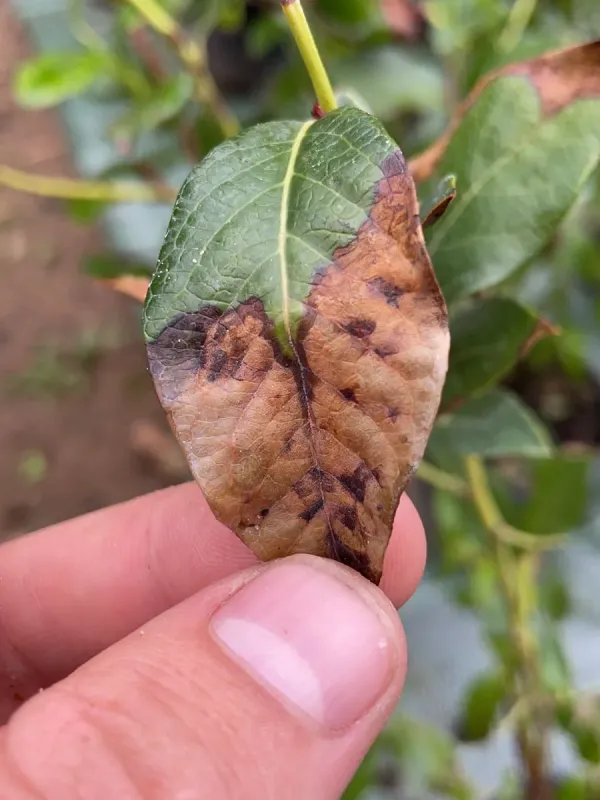
Initial signs of the disease appear as small, irregular spots on the leaves that gradually enlarge and darken, leading to tissue necrosis.
A distinctive feature is the development of light-colored centers within the spots surrounded by a dark border, where fungal fruiting bodies eventually form.
Infection of the stems often results in dieback, characterized by wilting and browning of individual branches or entire sections of the cranberry plant.
During the flowering and fruiting stages, the fungus can infect ovaries, causing them to dry up, or affect mature berries by forming depressed, rot-like spots.
Pinkish or whitish fungal spore masses can often be observed on the surface of infected berries, serving as a key diagnostic indicator of the pathogen.
Pathogen
The causal agent of this disease is the anamorphic fungus Gloeosporium minus, known for causing significant foliage and fruit damage in various berry species.
The mycelium of the pathogen is capable of surviving for long periods within plant debris, leaf litter, and infected cranberry stems during the winter months.
The spread of infection is primarily facilitated by conidia, which are disseminated by rain splash, wind currents, and mechanical contact with contaminated agricultural tools.
This fungus exhibits high adaptability to the temperate climates where cranberries are typically cultivated, infecting plants throughout the growing season.
The biological cycle of the fungus is strictly dependent on moisture availability, which is essential for spore germination and infection establishment on host tissues.
Conditions for development
The disease development is most intense under high humidity conditions, particularly during periods of prolonged rainfall or heavy morning dew.
The temperature range between +15°C and +25°C is considered optimal for the rapid germination of conidia and colonization of plant tissues by the fungus.
Overcrowded cranberry plantings, which lack proper aeration and exhibit poor drainage, create a perfect microclimate for the accumulation of the inoculum.
Accumulation of dead plant material on the field surface serves as a primary source of infection that facilitates early-season spread in subsequent years.
Poor agricultural practices, such as excessive overhead irrigation or nutrient imbalances, can stress the plants, making them more susceptible to fungal attacks.
Why it matters
Gloeosporium blotch causes significant economic losses by reducing the overall yield through the destruction of flowers, ovaries, and developing fruit.
Infection of mature berries significantly lowers their quality, rendering the crop unsuitable for fresh market sale or long-term cold storage due to rot.
Long-term impact includes the depletion of plant energy reserves, leading to poor vigor, reduced leaf area, and increased vulnerability to winter injury.
In severe infestation cases, extensive dieback of stems may occur, forcing growers to undertake costly replanting or renovation of the cranberry beds.
Uncontrolled spread can lead to harvest losses ranging from 30% to 50% in years with weather conditions highly favorable to the pathogen.
Protection
The primary control strategy involves integrating resistant cultivars with good site management to ensure adequate airflow and reduce moisture levels.
Strict sanitation measures are crucial, including the regular removal and destruction of infected stems and leaf litter to eliminate overwintering sources.
The timely application of fungicides during critical growth stages, such as pre-bloom and post-harvest, is effective in keeping the fungal population low.
Improving drainage and optimizing irrigation schedules helps maintain the environment below the threshold required for successful spore infection.
- Use of disease-free planting stock and certified nursery material.
- Regular pruning to improve sunlight penetration and air circulation.
- Mulching to act as a barrier between fruit and soil-borne inoculum.
- Monitoring weather patterns to time fungicide applications effectively.
Pathogens and affected parts
Affects crops · 1
Discussion
No discussions yet — be the first.