
Description
Symptoms
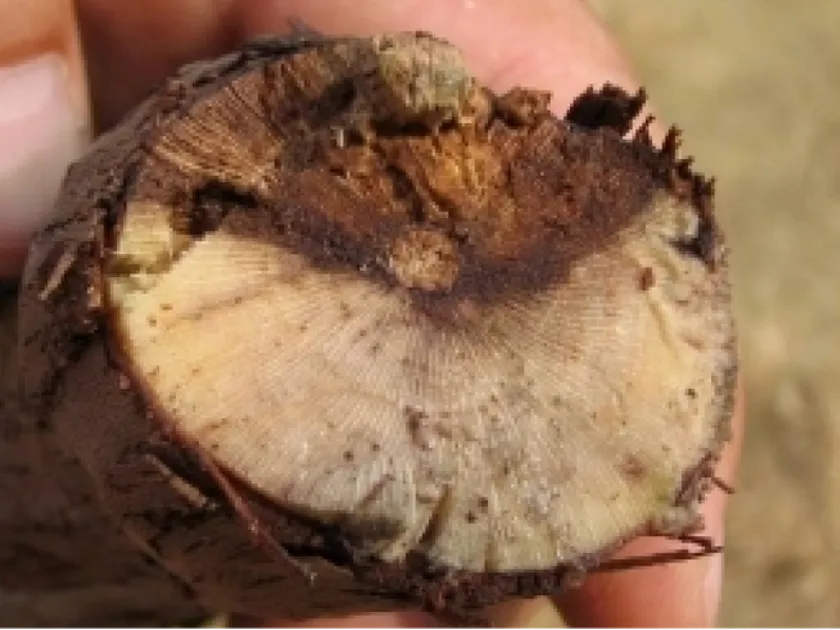
The primary symptom is the localized death of bark, which turns brown or dark brown. These necrotic patches are often the first sign that the tree is struggling with a fungal invasion.
Small, bump-like pycnidia appear on the surface of the infected bark. As the disease progresses, the bark cracks and begins to peel away from the wood, revealing underlying tissue damage.
Infected elm trees show signs of branch dieback, starting from the canopy tips. Leaves on affected branches often yellow, wither prematurely, and fall off, leading to a sparse canopy.
Upon removing a section of the bark, the cambium layer appears brown or necrotic. This discoloration indicates the depth of the fungal penetration and the disruption of the vascular system.
During periods of high moisture, the fungus may produce light-colored, slimy spore masses on the bark surface, indicating an active phase of sporulation and infection potential.
Pathogen
The disease is caused by the fungus Cytosporina ludibunda, a member of the Deuteromycetes group. This pathogen primarily targets the bark and cambium of hardwood species, with elm trees being highly susceptible.
The fungus produces pycnidia, which are specialized fruiting bodies where spores develop. Under high humidity, these structures rupture the bark, releasing spores into the environment to spread the infection.
Spores are disseminated by wind, rain splashes, and human activity, such as using contaminated pruning tools on healthy wood. The pathogen can survive for long periods in dead bark or infected branches.
It acts as a facultative parasite, meaning it primarily attacks trees already weakened by environmental stress. It invades the plant through natural openings, cracks, or pruning wounds.
Once inside, the mycelium colonizes the inner bark and cambium, disrupting nutrient transport and eventually killing the tissue, which leads to the characteristic necrosis of the bark.
Conditions for development
High humidity and warm temperatures create optimal conditions for the rapid development of Cytosporina necrosis. Such weather facilitates spore germination and successful colonization of the host.
Trees stressed by drought, waterlogging, or severe winter frost are significantly more susceptible. Environmental stress weakens the tree's natural defense mechanisms against the pathogen.
Mechanical damage to the trunk, such as frost cracks or sunscald, serves as a direct gateway for the fungus. These wounds allow the pathogen to bypass the tree's protective outer layer.
Poor silvicultural practices, including the neglect of sanitary pruning, allow the disease to build up in the landscape. Crowded plantings also reduce airflow, maintaining humidity levels favorable for infection.
Insect attacks, particularly by wood-boring insects, play a crucial role in disease dissemination and penetration, as they weaken the bark and transport spores deeper into the tree.
Why it matters
Cytosporina necrosis significantly impacts the vitality of elm trees. The chronic nature of the infection leads to a gradual decline in the tree’s overall health and aesthetic value.
The damage stems from the destruction of the phloem and cambium, effectively girdling branches or the entire tree. This disruption cuts off the supply of water and nutrients to the canopy.
In urban settings, infected elm trees become hazards. The dieback of large branches creates a risk of falling limbs, necessitating costly removals to ensure public safety.
For young saplings in nurseries, the disease can be fatal. Rapid colonization of the stem can lead to the total loss of the plant before it has a chance to establish itself.
The disease persists in the environment, making it difficult to eradicate once it has become established in a plantation or garden, leading to long-term management challenges.
Protection
Proactive management focuses on strict sanitation. Removing and destroying infected branches—ensuring that cuts are made into healthy tissue—is essential to limit the spread of the fungus.
All pruning tools must be disinfected after use, and fresh wounds should be treated with fungicidal pastes or sealants to prevent the entry of spores.
Maintaining tree vigor is the best defense against the disease. Proper fertilization, adequate watering, and mulch management help the tree maintain a robust immune system.
Effective pest management is crucial to minimize the bark damage that attracts the fungus. Controlling wood-boring insects reduces the number of infection sites on the tree.
- Apply copper-based fungicides as a preventative measure during the growing season.
- Whitewash tree trunks to prevent sunscald and frost cracks.
- Clear and dispose of all fallen debris and bark around the base of the tree to reduce the inoculum load.
Pathogens and affected parts
Affects crops · 1
Discussion
No discussions yet — be the first.